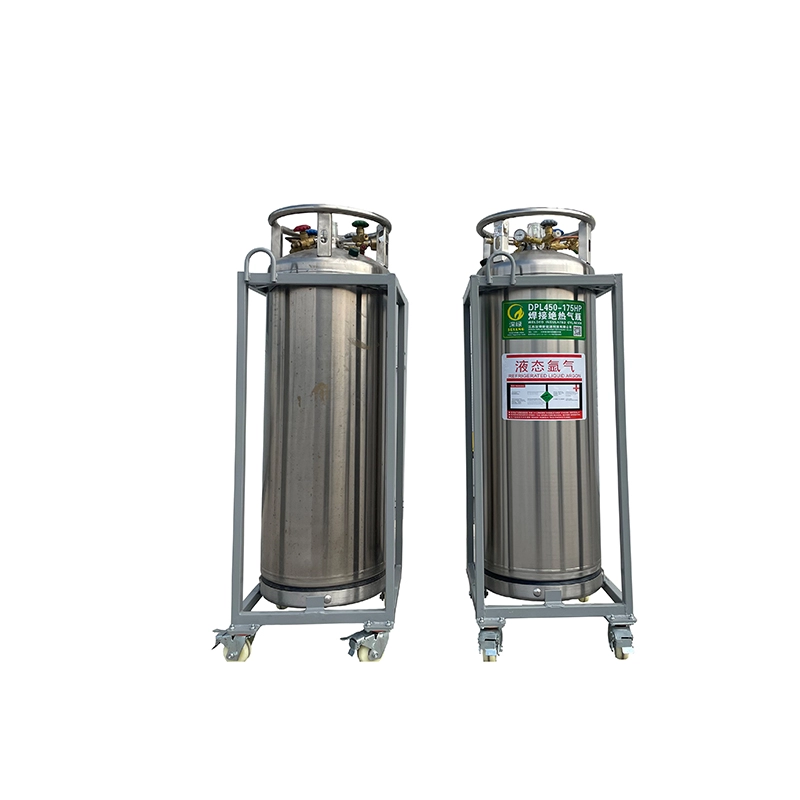
Understanding the Nature of the Element
Before delving into the specific protocols for Handling Liquid Argon, it is crucial to understand its physical properties and the inherent hazards they present. Argon (Ar) is a colorless, odorless, tasteless, and non-toxic noble gas. It makes up approximately 0.93% of the Earth’s atmosphere. To transport and store it efficiently, it is cooled to cryogenic temperatures—specifically, below -185.8°C (-302.4°F)—transforming it into a liquid state.
This dramatic reduction in temperature and the subsequent expansion ratio when it vaporizes are the primary sources of potential danger.
The Expansion Hazard
One volume of the liquid expands to approximately 840 volumes of gas at standard temperature and pressure. If this expansion occurs in a confined space without adequate ventilation, it rapidly displaces oxygen, leading to a severe risk of asphyxiation. Because the gas is odorless and colorless, personnel may not realize oxygen levels are depleting until they experience dizziness, unconsciousness, or worse.
Cryogenic Hazards
The extreme cold of the liquid state poses a significant risk to human tissue. Direct contact with the liquid or uninsulated pipes and valves can cause severe frostbite, often described as a cryogenic burn. The tissue damage is immediate and profound, requiring specialized medical attention.
Material Embrittlement
Not all materials can withstand cryogenic temperatures. Common metals like carbon steel and many plastics become brittle and can shatter when exposed to such extreme cold. Utilizing appropriate materials for infrastructure is paramount.
Best Practices for Handling the Cryogenic Fluid
Handling Liquid Argon safely necessitates a combination of rigorous training, proper personal protective equipment (PPE), and strict adherence to established protocols.
Mandatory Personal Protective Equipment (PPE)
Personnel working with or near cryogenic systems must be equipped with specialized PPE designed to protect against extreme cold. Standard industrial workwear is insufficient.
-
Cryogenic Gloves: These must be loose-fitting so they can be quickly removed if a spill occurs. They should be insulated and designed specifically for cryogenic use.
-
Eye and Face Protection: A full face shield over safety glasses with side shields is mandatory. Splashes can cause instantaneous damage to the eyes.
-
Protective Clothing: Long-sleeved shirts, long trousers without cuffs (to prevent liquid from pooling), and an apron made of non-porous material are required.
-
Footwear: Sturdy leather boots or specialized safety shoes should be worn, and pant legs must always cover the outside of the boots to deflect spills.
-
Transfer Procedures and Equipment
The process of transferring the fluid from delivery vehicles to storage tanks, or from tanks to application points, is a critical phase where accidents are most likely to occur.
-
Pre-Transfer Inspection: Before any transfer begins, all connections, valves, and hoses must be inspected for wear, damage, or moisture. Even a small amount of moisture can freeze instantly, blocking valves and causing pressure buildups.
-
Purging Lines: Transfer lines should be purged with dry nitrogen or gaseous argon to remove moisture and air before the cryogenic liquid is introduced.
-
Slow Introduction: The flow must be initiated slowly to allow the transfer lines to cool gradually. Rapid cooling can cause thermal shock and material failure.
-
Constant Supervision: A trained operator must monitor the transfer process continuously. Automated systems are valuable, but human oversight is essential to respond to unforeseen anomalies.
-
Ventilation and Monitoring
Given the significant expansion ratio, adequate ventilation is the most critical safeguard against asphyxiation.
-
Ambient Air Monitoring: Oxygen depletion sensors must be installed in any area where the liquid is stored or used. These sensors should trigger both visual and audible alarms if oxygen levels drop below 19.5%.
-
Forced Ventilation: In confined spaces, mechanical ventilation systems capable of rapidly replacing the air volume are necessary. These systems should activate automatically in conjunction with oxygen alarms.
-
Principles of Liquid Argon Storage
The integrity of Liquid Argon Storage systems is vital for both safety and maintaining the high purity levels required by many industrial applications. The storage infrastructure must be engineered to handle extreme cold, minimize boil-off, and safely manage pressure.
Cryogenic Tank Design
Industrial storage tanks for cryogenic liquids are complex pieces of engineering. They are essentially massive vacuum flasks designed to minimize heat transfer.
-
Double-Walled Construction: Tanks consist of an inner vessel (typically constructed of stainless steel or an aluminum alloy capable of withstanding cryogenic temperatures) and an outer vessel (usually carbon steel).
-
Vacuum Insulation: The annular space between the inner and outer vessels is filled with an insulating material (like perlite) and evacuated to a high vacuum. This design minimizes convective and conductive heat transfer.
-
Support Structures: The internal vessel must be supported by structures that also minimize heat transfer from the outer environment.
-
Pressure Management and Relief Systems
Even with the best insulation, some heat will transfer into the tank, causing a portion of the liquid to boil off into gas. This natural process increases the pressure within the tank.
-
Pressure Relief Valves (PRVs): Tanks must be equipped with primary and secondary PRVs. These valves are set to open automatically if the internal pressure exceeds the tank’s Maximum Allowable Working Pressure (MAWP).
-
Rupture Discs: As a fail-safe, a rupture disc is often installed in parallel with the PRVs. If the PRVs fail and pressure continues to rise, the disc will burst, safely venting the gas and preventing a catastrophic tank failure.
-
Vent Routing: The discharge from PRVs and rupture discs must be piped to a safe, well-ventilated outdoor location to prevent local oxygen depletion.
-
Maintaining Purity During Storage
For applications like semiconductor manufacturing or analytical spectrometry, the purity of the gas is as critical as its availability. Contamination can ruin batches and damage sensitive equipment.
-
Dedicated Systems: Liquid Argon Storage systems should ideally be dedicated to that gas alone to prevent cross-contamination.
-
Filtration: In-line particulate filters and purifiers should be installed on the withdrawal lines to ensure the gas reaching the application point meets required specifications.
-
Regular Maintenance: Routine inspection and maintenance of the vacuum insulation and piping systems prevent leaks that could draw in ambient air and moisture, compromising purity.
-
Facility Design and Infrastructure
Integrating a cryogenic system into an industrial facility requires careful planning and specialized infrastructure.
Table: Recommended Materials for Cryogenic Service
|
Material Category
|
Suitable Materials for Cryogenic Temperatures
|
Materials to Strictly Avoid
|
Reason for Avoidance
|
|---|
|
Metals
|
Austenitic Stainless Steels (e.g., 304, 316), Aluminum, Copper, Brass
|
Carbon Steel, Cast Iron, Certain low-alloy steels
|
Brittle fracture (embrittlement) at low temperatures leading to catastrophic failure.
|
|
Gaskets/Seals
|
PTFE (Teflon), PCTFE (Kel-F), Indium, specific graphite compositions
|
Standard Rubber (Buna-N, Neoprene), Silicone (most types)
|
Loss of elasticity; becoming hard, brittle, and shattering under stress.
|
|
Insulation
|
Perlite, Polyurethane foam (specifically formulated), Vacuum-jacketed piping
|
Standard fiberglass (if exposed to moisture)
|
Condensation freezing within the insulation, destroying its thermal properties.
|
Piping and Valve Selection
-
Vacuum-Jacketed Piping (VJP): For optimal efficiency and minimal boil-off during transport within the facility, VJP is recommended. Like the storage tanks, these pipes have an inner and outer wall with a vacuum space between them.
-
Cryogenic Valves: Standard valves will fail at -185°C. Valves must feature extended bonnets. The extended bonnet keeps the valve packing (the seal around the stem) away from the extreme cold, preventing the seal from freezing and failing.
-
Site Location and Access
-
Outdoor Preference: Whenever feasible, bulk storage tanks should be located outdoors to naturally mitigate the risk of oxygen displacement in the event of a leak or venting.
-
Security: The storage area must be secured against unauthorized access.
-
Bollards and Protection: Tanks and exposed piping must be protected from vehicular impact by sturdy bollards or crash barriers.
-
Emergency Response Protocols
Despite rigorous adherence to best practices, emergencies can occur. A well-defined and rehearsed emergency response plan is crucial.
Dealing with Spills and Leaks
-
Evacuate: The immediate priority is the evacuation of personnel from the affected area, particularly low-lying spaces where the dense cold gas may accumulate.
-
Isolate: If it can be done safely without risking exposure, shut off the source of the leak using emergency isolation valves.
-
Ventilate: Activate maximum ventilation. Do not attempt to clean up the spill; the liquid will rapidly vaporize.
-
Fog Management: Large leaks will create a dense fog of condensed moisture from the air. This fog reduces visibility to zero and indicates an area of extreme cold and potential oxygen deficiency. Avoid entering the fog.
First Aid for Cryogenic Exposure
-
Skin Contact: Do not rub the affected area. Flush with copious amounts of lukewarm water (not hot). Seek immediate medical attention. Do not attempt to remove clothing frozen to the skin; flush with water first.
-
Eye Contact: Flush eyes with lukewarm water for at least 15 minutes and seek immediate emergency medical care.
-
Asphyxiation: If a person is overcome by oxygen depletion, move them to fresh air immediately. Administer CPR if they are not breathing and seek emergency medical assistance. Rescuers must use Self-Contained Breathing Apparatus (SCBA) before entering an oxygen-deficient atmosphere.
-
Regulatory Compliance and Training
Navigating the regulatory landscape is essential for legal operation and liability management.
-
OSHA and CGA Standards: In the United States, adherence to Occupational Safety and Health Administration (OSHA) regulations and the guidelines published by the Compressed Gas Association (CGA)—such as CGA P-1 (Safe Handling of Compressed Gases in Containers) and CGA P-12 (Safe Handling of Cryogenic Liquids)—is mandatory. Similar regulatory bodies exist globally.
-
Continuous Training: Safety is not a one-time event. All personnel involved in the operation, maintenance, or supervision of cryogenic systems must undergo regular, documented training. This training should cover hazard recognition, PPE usage, standard operating procedures, and emergency response.
-
Conclusion
The utilization of this cryogenic noble gas is foundational to modern industrial processes. However, its benefits can only be fully realized when the inherent risks are managed proactively. By understanding the physical properties, implementing robust infrastructure, utilizing the correct materials, and fostering a culture of rigorous safety training, industrial facilities can ensure both the purity of their supply and the absolute safety of their workforce. The best practices outlined here serve as a framework for responsible management, ensuring that operations remain efficient, compliant, and secure.
FAQs
Q1: Why is a specific type of valve with an “extended bonnet” necessary for these cryogenic systems?
A: Standard valves fail at cryogenic temperatures because the cold causes the internal sealing materials (the packing) to shrink, become brittle, and eventually leak or shatter. An extended bonnet valve moves the packing gland further away from the cryogenic fluid flowing through the valve body. This distance allows the ambient air to keep the packing warm enough to remain flexible and maintain a tight seal, preventing dangerous leaks.
Q2: If an oxygen depletion alarm sounds in the storage area, what is the immediate required action?
A: The absolute first step is immediate evacuation of the area by all personnel. Do not attempt to investigate the source of the alarm without specialized breathing equipment. Once the area is cleared, only trained emergency responders equipped with Self-Contained Breathing Apparatus (SCBA) should enter the space to identify and mitigate the leak, while maximizing facility ventilation to disperse the displaced air.
Q3: How does vacuum-jacketed piping (VJP) differ from standard pipe insulation, and why is it preferred?
A: Standard insulation, like foam or fiberglass, relies on trapping air or gas to slow heat transfer. At extreme cryogenic temperatures, ambient moisture can condense and freeze within standard insulation, destroying its effectiveness. VJP uses a double-wall construction with a high vacuum between the inner pipe and outer jacket. Because a vacuum contains virtually no molecules to conduct heat, it is vastly more efficient at preventing boil-off and maintaining the liquid state during transfer across an industrial facility.