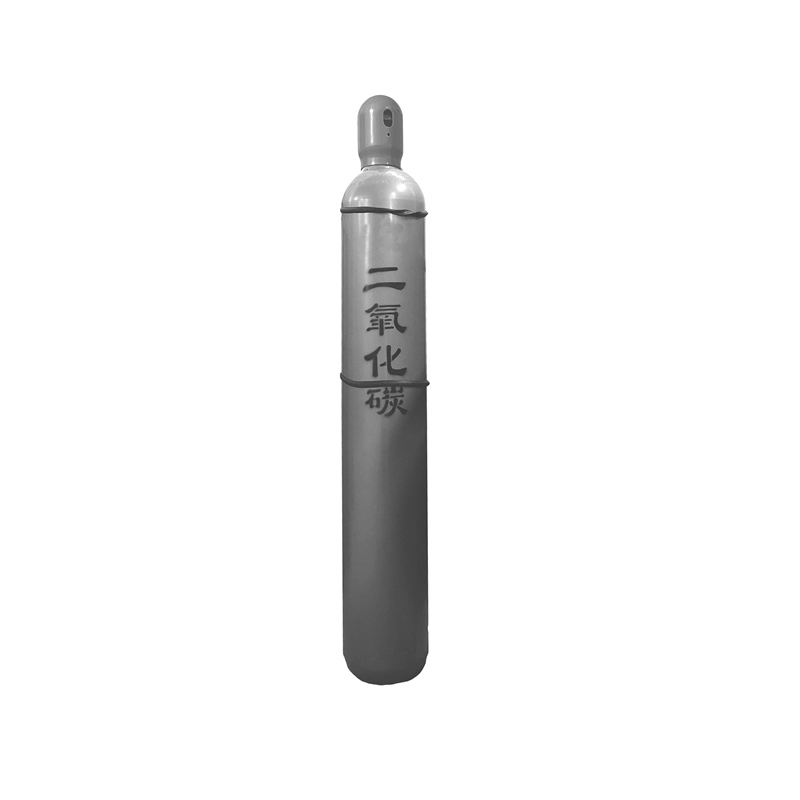
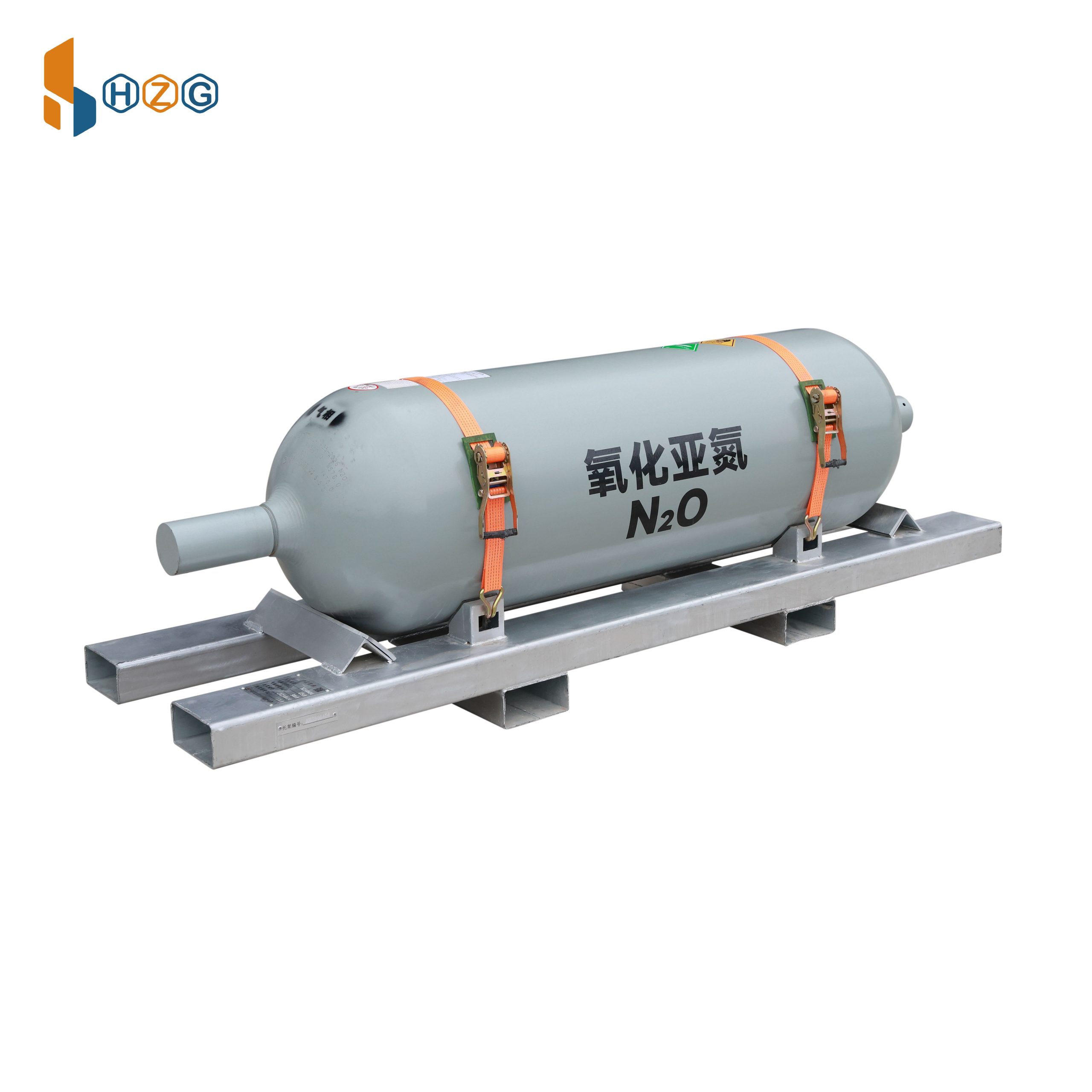
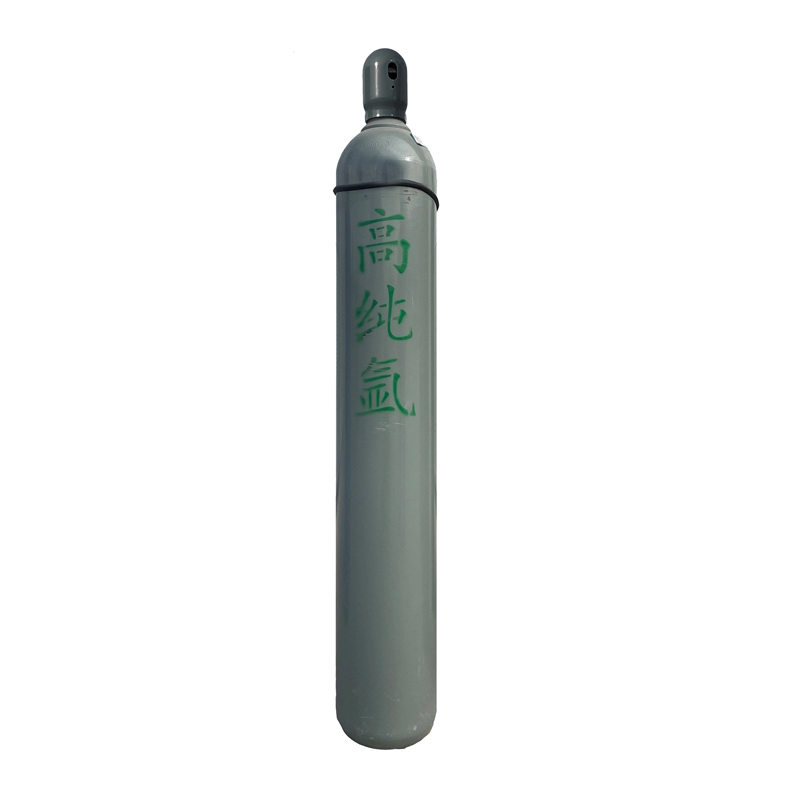
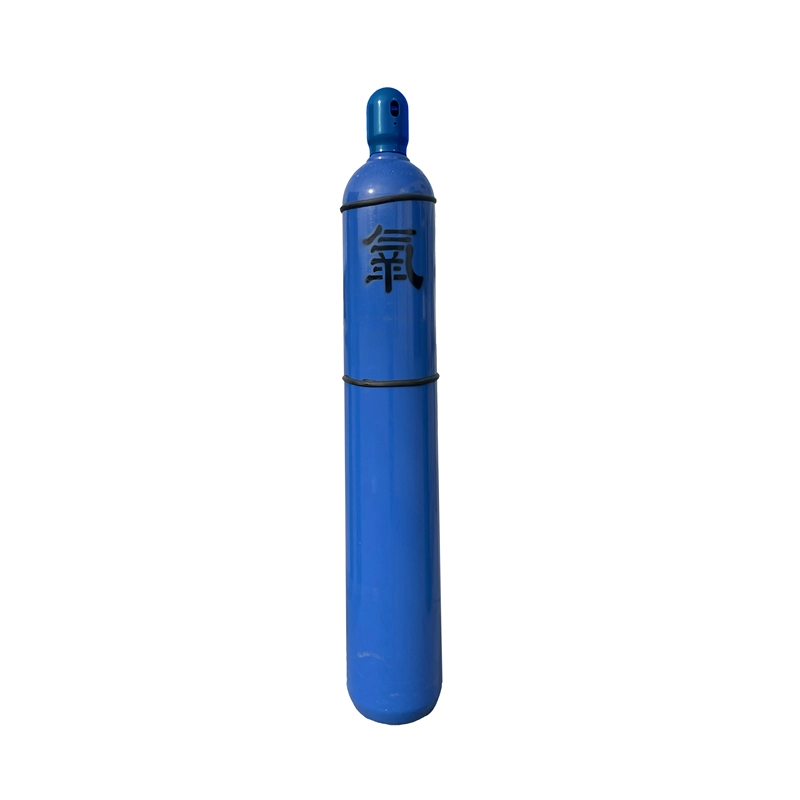
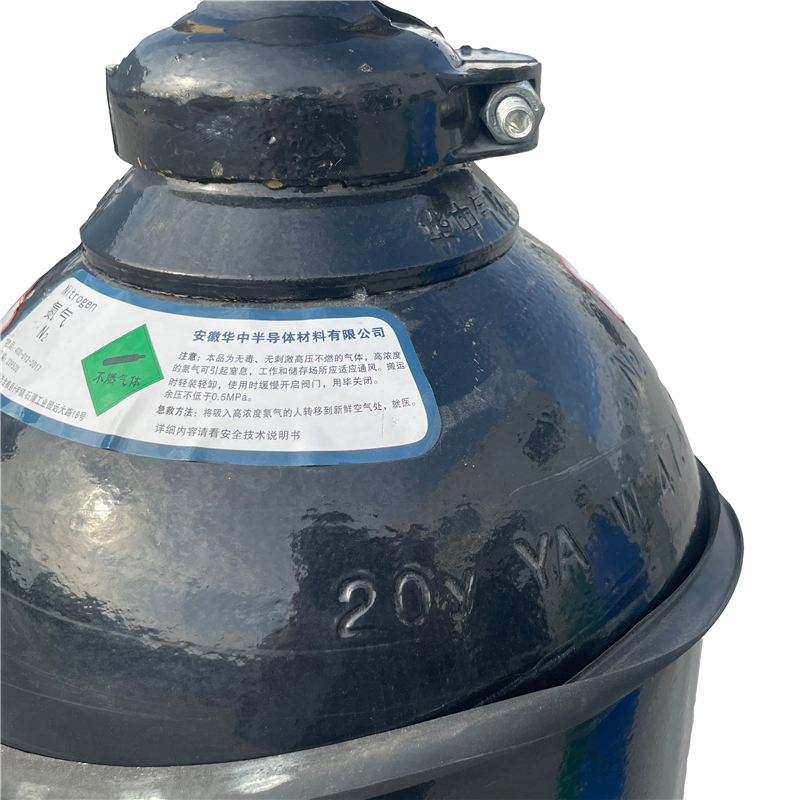
Other specifications of packaging can be provided according to customer requirements
Industrial Grade High-Purity Hydrogen Sulfide H₂S Gas
Hydrogen Sulfide (H₂S) is an essential basic industrial raw material and analytical reagent, widely applicable in sulfur chemical production, metallurgical precipitation, fine chemical synthesis, and environmental waste gas and wastewater treatment. We provide high-purity, compliantly packaged hydrogen sulfide gas, supporting large-scale B2B procurement and customized standard gas preparation to meet your rigorous industrial and research requirements.
High-Purity Guarantee: Available in multiple purity specifications (e.g., 99% / 99.9%).
Compliant Packaging: Packaged in seamless steel cylinders that strictly comply with international dangerous goods transportation standards.
Stable Supply: Comprehensive logistics and safety qualifications ensure secure and on-time delivery.
Industrial Grade High-Purity Hydrogen Sulfide H₂S Gas
Hydrogen sulfide is a colorless, acidic, highly flammable, and highly toxic gas. At low concentrations, it has a distinct rotten egg odor. As a versatile chemical, it serves as a core medium in sulfur recovery processes, organic and inorganic sulfide synthesis, and metallurgical purification.
Parameter
Specifications
Chemical Formula
H₂S
Molar Mass
34.08 g/mol
Appearance
Colorless gas
Odor
Rotten egg smell at low concentrations (>100 ppm causes olfactory paralysis; odorless at high concentrations)
Density
1.36 kg/m³ (Heavier than air; prone to accumulating in low-lying areas)
Solubility
Readily soluble in water (1:2.6 ratio); aqueous solution is hydrosulfuric acid (a weak diprotic acid)
Flammability & Explosivity
Explosive limits 4.3% – 46% (by volume); burns with a blue flame, producing SO₂
Industrial Applications
1. Sulfur & Sulfuric Acid Production (Primary Application)
Through the Claus process, hydrogen sulfide recovered from natural gas or refineries is efficiently converted into elemental sulfur. This is then used to produce sulfuric acid, serving the global fertilizer, chemical, and metallurgical industries.
2. Fine Chemicals & Organic Synthesis
Inorganic Sulfide Synthesis: Used to manufacture sodium sulfide (Na₂S) and sodium hydrosulfide (NaHS), which are key raw materials for the papermaking (Kraft process), leather depilation, dye, and rubber vulcanization industries.
Organic Sulfide Synthesis: Participates in the synthesis of methanethiol, ethanethiol, and thioglycolic acid, applied in the production of pesticides, pharmaceutical intermediates, and plastic additives.
Reducing Agent: Due to its strong reducing properties, it is widely used in the reduction reactions of organic compounds and metal ions.
3. Metallurgy & Mineral Processing
Employed in hydrometallurgy for metal sulfide precipitation to efficiently separate and purify copper (CuS), nickel (NiS), and cobalt (CoS) from nickel-cobalt and laterite ore leach solutions. It also acts as an excellent sulfiding agent to activate sulfide ores, significantly improving ore flotation efficiency.
4. Environmental Protection & Water Treatment
Performs excellently in industrial wastewater treatment by effectively precipitating heavy metal ions such as cadmium (Cd²⁺) and mercury (Hg²⁺), thereby significantly reducing water toxicity. It is also used as a raw material for desulfurizers in oil and natural gas purification.
5. Analysis, Testing & Research
Serves as a classic qualitative analytical reagent for the precipitation and characteristic color identification of heavy metal ions. Additionally, it is widely used to prepare standard calibration gases for the precise calibration of gas detection instruments in industrial environments and laboratories.
Safety Operations & Emergency Guidelines
High-Risk Warning: Hydrogen sulfide is a highly toxic and extremely flammable gas. It strongly inhibits cellular respiratory enzymes; exposure to concentrations exceeding 500 ppm can cause sudden death. High concentrations will rapidly paralyze the olfactory nerves, rendering the gas odorless, making it extremely dangerous and deceptive.
Occupational Exposure Limits: OSHA 8-hour TWA is 10 ppm; China MAC limit is 10 mg/m³.
On-site Safety & Protection: Work areas must be equipped with forced ventilation and online H₂S gas detectors (alarm setpoint must be ≤10 ppm). Operators must wear chemical protective clothing, safety goggles, and a positive-pressure self-contained breathing apparatus (SCBA). Solo work is strictly prohibited.
Storage & Transportation: Must be stored in compliant, sealed steel cylinders and placed in a cool, well-ventilated dedicated hazardous chemical warehouse. Keep strictly away from fire sources, heat sources, and strong oxidizers. Mixed storage with acids is strictly prohibited.
Emergency Handling Measures: In the event of a leak, immediately shut off the gas source and quickly evacuate personnel to an upwind area. In case of poisoning, immediately move the victim to fresh air, maintain an open airway, administer oxygen if necessary, and call for emergency medical assistance immediately.
FAQ
Q: What specifications of hydrogen sulfide gas cylinders do you offer?
A: We offer high-pressure seamless steel cylinders in various capacities. Specific sizes and valve connections can be configured based on your actual gas consumption and transportation requirements. Please contact our sales engineers for a detailed catalog.
Q: What qualifications are required to purchase industrial hydrogen sulfide?
A: Hydrogen sulfide is classified as a Class 2.1 flammable and highly toxic gas. Purchasing enterprises must possess the relevant “Hazardous Chemicals Business License” issued by local government authorities, or hold compliant safety production and usage qualification certificates.
Q: How should a hydrogen sulfide leak be handled immediately?
A: Immediately don a positive-pressure breathing apparatus. If safe to do so, shut off the leak source. Turn on forced exhaust ventilation equipment, evacuate surrounding personnel to a safe upwind area, and immediately activate the enterprise’s hazardous chemical emergency response plan and dial emergency rescue services.


 BannerText_Seraphinite Accelerator