
The Ultimate Guide to Industrial Gas Cylinder Safety
As a factory owner with over two decades in the industrial gas sector, I've seen it all. The safe handling of a gas cylinder is not just a matter of following rules; it's the bedrock of a successful, efficient, and secure operation. A single incident can halt production, damage reputations, and, most importantly, endanger lives. This article is your comprehensive guide, born from years of hands-on experience on our seven production lines. We'll cut through the technical jargon to give you clear, actionable insights into handling industrial gases, ensuring your operations run smoothly and your team stays safe. It's an investment in knowledge that pays dividends in safety and reliability.
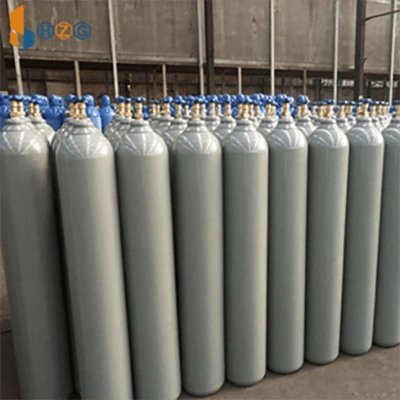
- What Role Does Your Gas Supplier Play in Upholding Safety Standards?
- What are the Essential Safety Tips for Connecting and Using Compressed Gases?
- What Should Your Team Do in Case of a Gas Leak or Emergency?
What Exactly Are Industrial Gases and Why Is Handling Them So Critical?
At its core, an industrial gas is a gaseous material produced for use in industrial processes. These aren't the simple gases you might think of; they are often highly purified and stored under immense pressure in a compressed gas cylinder. The range is vast. Common industrial gases include argon, used in welding; nitrogen, used for blanketing and in food packaging; oxygen, vital for medical applications and steel manufacturing; and carbon dioxide, used in everything from carbonated beverages to fire extinguishers. Then there are more specialized gases like hydrogen, helium, and various gas mixtures designed for specific industrial applications.
The critical nature of handling these gases comes down to two things: pressure and properties. A standard compressed gas cylinder can contain pressures exceeding 2,000 psi. If that pressure is released uncontrollably, the gas cylinder can become a projectile, capable of rocketing through concrete walls. This is no exaggeration. Furthermore, the properties of the gas itself present unique hazards. Some gases are flammable (like hydrogen and acetylene), some are oxidizers (like oxygen, which can cause other materials to combust more readily), some are inert (like nitrogen, which can displace oxygen and cause asphyxiation), and others are a toxic gas or corrosive (like chlorine or ammonia). The handling of compressed gas is a serious responsibility.
Therefore, the handling and storage of every single gas container require a deep understanding and respect for its potential danger. It's not just about moving a metal object from point A to point B. It's about managing a contained, high-energy substance. The hazards associated with industrial gases mean that every step, from receiving the gas from your supplier to its final use, requires strict adherence to safety practices. This meticulous approach protects your people, your property, and your production schedule. A single mistake with a gas cylinder can have catastrophic consequences.
How Can You Properly Identify the Contents of a Compressed Gas Cylinder?
You can never, ever judge a gas cylinder by its color. While some suppliers use color-coding, it is not a universally standardized system. The only reliable way to identify the contents of a gas container is by reading the label on the cylinder. This label is the gas cylinder's official ID card. As a rule, cylinders must be clearly labeled with the proper chemical name of the gas. Never accept or use a gas cylinder that does not have a clear, legible label. If a label becomes unreadable or falls off, the cylinder should be marked "Contents Unknown" and returned to the gas supplier.
The label and the accompanying Safety Data Sheet (SDS) provide all the critical information you need. The Safety Data Sheet is an essential document that details the properties and hazards of the gas, handling precautions, and emergency procedures. Your team should have easy access to the SDS for every type of gas you have on-site. It's a key requirement from safety organizations like the Occupational Safety and Health Administration (OSHA). You should never mix gases in a cylinder or attempt to refill a gas cylinder yourself. The process of filling a compressed gas cylinder is a highly specialized task that only a qualified gas supplier should perform.
Misidentifying a gas can be a fatal error. Imagine connecting what you think is a cylinder of nitrogen (an inert gas) to a line that requires oxygen (an oxidizing gas). The results could be explosive. This is why thorough training on how to read and understand the cylinder labels and SDS is not just a good idea—it's a non-negotiable part of your facility's health and safety protocol. Every employee who handles gas containers must be trained to verify the contents before use. This simple check is one of the most effective safety practices to prevent accidents.
What Are the Key OSHA and NFPA Regulations for Gas Cylinders You Must Know?
Navigating the web of regulations for gas cylinders can seem daunting, but it's essential for safety and compliance. Two primary safety organizations in the United States set the safety standards: the Occupational Safety and Health Administration (OSHA) and the National Fire Protection Association (NFPA). As a procurement officer or business owner, being familiar with their core requirements is crucial, as it helps you vet suppliers and establish your own internal protocols.
OSHA's 29 CFR 1910.253 standard provides specific rules for oxygen and fuel gas cylinders, but its principles are widely applied to all compressed gases. Key OSHA requirements include:
- Separation: Oxygen cylinders in storage must be separated from fuel-gas cylinders or combustible materials by a minimum distance of 20 feet or by a noncombustible barrier at least 5 feet high with a fire-resistance rating of at least one-half hour.
- Securing: Cylinders should be secured in an upright position at all times to prevent them from being knocked over. This means using chains, straps, or a proper cylinder stand to prevent tipping.
- Valve Protection: Valve protection caps must be in place when the gas cylinder is not in use or connected for use. This protects the most fragile part of the cylinder.
The National Fire Protection Association (NFPA) provides even more detailed guidelines, particularly in NFPA 55 (Compressed Gases and Cryogenic Fluids Code) and NFPA 58 (Liquefied Petroleum Gas Code). These codes cover everything from the storage of compressed gas to the design of storage areas and emergency response plans. They emphasize proper ventilation for gas cylinder storage areas and specific requirements for handling a flammable gas. Adhering to these safety regulations is not just about avoiding fines; it's about creating a fundamentally safe working environment for the use of compressed gases.
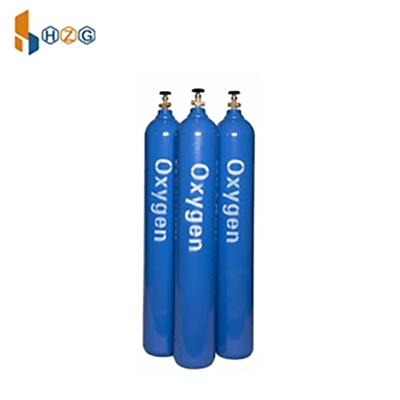
What Is the Correct Procedure for Handling and Transporting Gas Cylinders Safely?
The handling and storage of compressed gases is a physical job that requires more brain than brawn. Proper cylinder handling techniques are essential to prevent injuries and accidents. You should never drag, roll, or slide a gas cylinder, even for a short distance. This can damage the cylinder or the valve. The correct way to move the cylinder is by using a suitable hand truck or cart designed for this purpose, with the cylinder properly secured.
Here are some essential safety tips for transporting gas cylinders within your facility:
- One at a time: Unless you have a cart designed for multiple cylinders, you should only move one cylinder at a time.
- Caps On: Always ensure the valve protection cap is securely in place before moving a gas cylinder. The valve is the most vulnerable part; if it's knocked off, the gas cylinder can become a dangerous projectile.
- No "Manhandling": Do not use the valve or cap as a handhold for lifting or moving the gas container. Never lift a compressed gas cylinder with a magnet or sling.
- Keep it Upright: Cylinders must always be transported and stored in an upright position. Transporting a gas cylinder on its side can be particularly dangerous for gases like acetylene.
When handling industrial gas cylinders, think of it as a delicate operation. The goal is smooth, controlled movement. Rough handling of compressed gas can cause damage that may not be immediately visible. For example, a hard knock could compromise the structural integrity of the gas cylinder wall, creating a weak point that could fail under pressure. Training your employees on these specific handling gas cylinders techniques is a direct investment in safety. It ensures that every gas container, from a full one entering the facility to an empty one leaving, is handled with the care it demands.
How Should You Implement Proper Storage for Industrial Gas Cylinders to Prevent Hazards?
The proper storage of industrial gases is a cornerstone of facility safety. A designated, well-organized storage area is not just a recommendation; it's a necessity. How and where gases are stored can significantly impact the safety of their employees. The primary goal of gas cylinder storage is to protect the cylinders from being knocked over and to prevent them from being exposed to sources of heat, flame, or electrical circuits.
Your gas cylinder storage area should be:
- Well-Ventilated: The area must be stored in a well-ventilated location, preferably outdoors or in a specially constructed, separate building. This prevents the accumulation of any leaking gas, which could lead to an oxygen-deficient atmosphere or a flammable mixture.
- Away from Exits: Store cylinders away from elevators, stairs, or main walkways, where they could obstruct emergency exits.
- Segregated: Different types of gas should be stored separately. As mentioned, OSHA requires oxygen to be separated from any flammable gas. It's also good practice to separate full cylinders from empty ones. This simple organizational step prevents a worker from accidentally connecting an empty gas cylinder to a process line.
- Secure: All cylinders must be secured with a chain or strap in an upright position to prevent falling. Cylinders may not be stored for long periods of time while cylinders are not secured.
A common mistake is storing gas cylinders in a cluttered, disorganized manner. This creates a trip hazard and increases the risk of cylinders being knocked over. The storage of compressed gas cylinders is a critical function that requires careful planning. You should design your storage area to comply with both OSHA and NFPA safety standards. This proactive approach to the storage of compressed gas demonstrates a commitment to health and safety and is a key part of responsible gas management.
What Are the Specific Dangers of Flammable Gas and How Can You Mitigate Them?
A flammable gas, such as hydrogen, acetylene, or propane, presents a double hazard: the risk from the pressurized gas cylinder itself and the risk of fire or explosion. A small leak of a flammable gas can quickly create a combustible mixture in the air, and any ignition source—a spark from equipment, a static discharge, or an open flame—can lead to a disaster. Understanding and controlling these risks is vital for anyone working with these types of gas.
Mitigating the dangers of a flammable gas starts with prevention. Here’s a table outlining key preventative measures:
| Preventative Measure | Description | Why It's Important |
|---|---|---|
| Eliminate Ignition Sources | Prohibit smoking, open flames, and spark-producing equipment in and around storage and use areas. | Prevents the leaked gas from finding a source to ignite. |
| Proper Ventilation | Ensure gas cylinder storage and use areas are extremely well-ventilated to disperse any leaking gas. | Keeps the concentration of the flammable gas below its lower explosive limit (LEL). |
| Leak Detection | Use approved leak-detection solutions or electronic detectors to regularly check for gas leaks at valves and fittings. | Allows for early detection and correction of a leak before it becomes a major hazard. |
| Grounding and Bonding | For some applications, properly grounding equipment is necessary to prevent static electricity buildup. | Static discharge is a common and often overlooked ignition source. |
| Separate Storage | Always store flammable gas cylinders separately from oxidizing gases like oxygen. | Prevents a small fire from rapidly escalating into a much larger, more intense blaze. |
Acetylene cylinders require special attention. They are designed differently from other gas containers and should never be stored on their side. Storing compressed gas cylinders containing acetylene horizontally can cause the internal acetone solvent to leak out, creating a serious fire hazard. The safe handling and storage of every gas container, especially a flammable gas, requires a culture of vigilance.
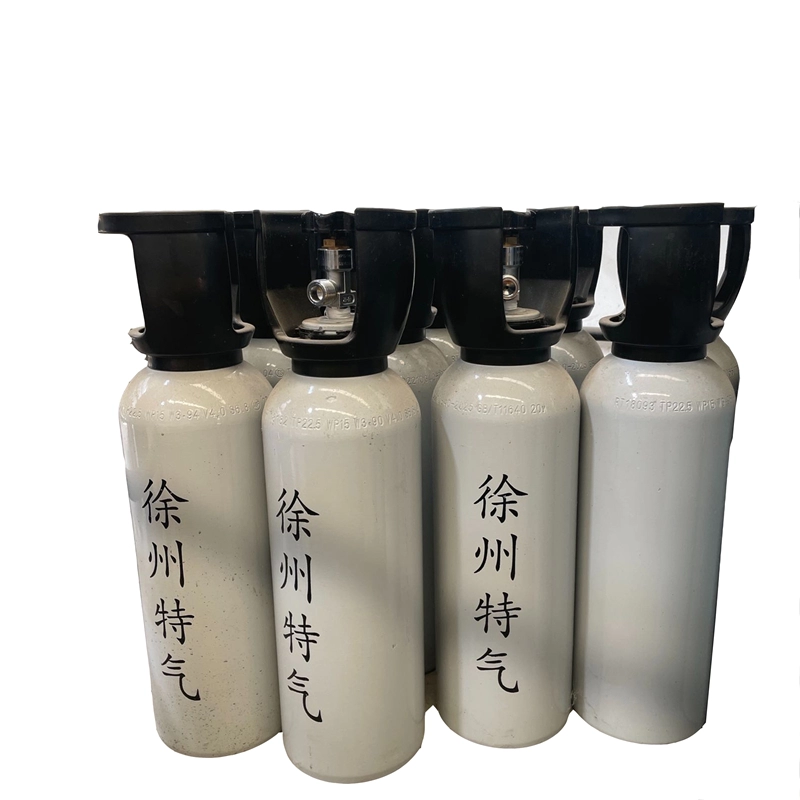
How Do You Inspect a Gas Cylinder for Leaks or Damage?
Regular inspection is a crucial part of any gas cylinder safety program. Before you use a cylinder, and even when receiving it from your gas supplier, a quick visual inspection can catch potential problems. Your team should be trained to look for specific signs of trouble. Remember, the gas cylinders is critical, and identifying a fault early can prevent a serious incident.
Here is a simple inspection checklist:
- Check the Label: First and foremost, verify the contents. Is it the right gas? Is the label clear and intact?
- Look for Physical Damage: Inspect the body of the gas cylinder for dents, gouges, deep scrapes, or arc burns from welding. Significant damage can weaken the cylinder wall.
- Inspect for Corrosion: Look for signs of rust, especially around the base of the gas cylinder. Severe rust can compromise the integrity of the metal.
- Examine the Valve: Check the gas cylinder valve for any visible damage. Ensure the valve handwheel is not bent or broken. When you open the valve, do it slowly. If it's difficult to open, don't force it.
- Test for Leaks: The most common place for gas leaks is at the valve connection. After connecting the regulator, use an approved leak-detection solution (a soap and water mix) to check the connection. If bubbles form, you have a leak.
If a gas cylinder shows any of these signs of damage or if you detect a leak, it should be taken out of service immediately. Tag it clearly with a "DO NOT USE" sign, move it to a secure, well-ventilated area away from other gas containers, and contact your gas supplier for instructions. This proactive approach to inspection is a simple yet powerful tool to ensure the safety of everyone in your facility.
What Role Does Your Gas Supplier Play in Upholding Safety Standards?
Your relationship with your gas supplier is a partnership in safety. As a procurement professional like Mark, you know that price is important, but a reliable, safety-conscious supplier is invaluable. A trustworthy supplier doesn't just sell you a gas; they provide a complete, safe, and compliant product. At Huazhong Gas, we see this as our core responsibility. We know that our customers in the USA and Europe depend on us not just for high-purity gas but also for the assurance that every gas cylinder we ship meets or exceeds international safety standards.
Here's what you should expect from a top-tier gas supplier:
- Quality Cylinders: They should provide gas cylinders that are in good condition, properly maintained, and hydrostatically tested within the required timeframe.
- Accurate Labeling: Every gas cylinder must have a clear, correct label and be accompanied by the appropriate safety data sheet. This is non-negotiable and a primary defense against certificate fraud.
- Expert Support: A good supplier should be a resource. They should be able to answer your technical questions about a specific gas, provide guidance on storage and handling, and help you choose the right Bulk High Purity Specialty Gases for your application.
- Reliable Logistics: They should understand the importance of your production schedule and provide transparent communication about shipments, minimizing the risk of delays that can impact your business.
Choosing the right gas supplier is an integral part of your overall safety strategy. It’s about more than just the initial purchase; it’s about building a long-term relationship with a partner who prioritizes your safety and compliance. The peace of mind that comes from knowing your industrial gas cylinders are safe, certified, and supplied by a reputable source is a critical component of a resilient supply chain.
What are the Essential Safety Tips for Connecting and Using Compressed Gases?
The point of use is where many accidents with compressed gases occur. Even with proper handling and storage, incorrect procedures when connecting a regulator or using the gas can create a dangerous situation. It's vital that every employee who works with a compressed gas cylinder is trained on the proper connection and usage protocols. The handling industrial gas is a precise task.
Here are some key safety tips for the use of compressed gases:
- Use the Right Regulator: Always use a regulator that is designed for the specific type of gas you are using. A regulator for nitrogen cannot be used for an Oxygen cylinder. The connections are often designed differently to prevent this, but never try to force a connection.
- "Crack" the Valve: Before attaching the regulator, stand to the side of the gas cylinder outlet (never in front of it) and open the valve slightly for just an instant. This is called "cracking" and it clears any dust or debris from the valve opening. Note: This should never be done with a hydrogen or acetylene cylinder due to the risk of ignition.
- Check Connections: After attaching the regulator and before opening the main cylinder valve, ensure all connections are tight.
- Open Valves Slowly: Always open the gas cylinder valve slowly. Opening it quickly can slam the regulator with high pressure, potentially damaging it and causing a failure.
- Close When Done: When you are finished with the gas, even for a short break, close the main gas cylinder valve. Don't rely on the regulator to hold the pressure. This is a crucial step in preventing slow gas leaks.
These procedures for handling industrial gases should be second nature to your team. Consistent application of these safety practices at the point of use is what transforms a set of rules into a genuine culture of safety and responsibility. Whether you are using a standard Nitrogen cylinder or a complex Gasmixture, the principles of safe connection and use remain the same.
What Should Your Team Do in Case of a Gas Leak or Emergency?
Despite all precautions, accidents can happen. Having a clear, well-rehearsed emergency plan for a gas leak is just as important as the preventative safety measures. In an emergency, panic is the enemy. A simple, actionable plan ensures your team can respond quickly and effectively, minimizing risk and damage. The hazards associated with compressed gases mean that a swift, correct response is paramount.
If a gas leak is detected, your team should follow these steps:
- Evacuate: If the leak is large or involves a flammable gas or toxic gas, the immediate priority is to evacuate all personnel from the area.
- Ventilate: If it is safe to do so, increase ventilation in the area by opening doors and windows to help disperse the leaking gas.
- Shut Off the Source: If the leak is small and manageable (e.g., from a fitting) and it is safe to approach, attempt to close the main gas cylinder valve.
- Isolate the Cylinder: Move the leaking gas cylinder to a secure, outdoor location away from any potential ignition sources or personnel.
- Notify: Inform your supervisor and contact your facility's emergency response team. You should also contact your gas supplier for guidance on how to handle the specific leaking gas cylinder.
Regular drills and training are essential to ensure everyone knows their role in an emergency. This plan should be posted clearly in all areas where compressed gas tanks and gas cylinders requires handling. A calm, practiced response to a gas leak can be the difference between a minor incident and a major catastrophe. It's the final, critical piece of your comprehensive gas cylinder safety program.
Key Takeaways for Gas Cylinder Safety
As we've discussed, managing the handling and storage of compressed gas is a critical responsibility. A commitment to safety protects your people and your business. Here are the most important things to remember:
- Respect the Pressure: Never forget that a gas cylinder contains a substance under immense pressure. Treat every gas container with care.
- Label is Law: The label is the only definitive way to identify the contents of a gas cylinder. Never use an unlabeled or mislabeled cylinder.
- Store with a Plan: Always store gas cylinders in a secure, well-ventilated, and properly segregated area. Cylinders should be stored upright and chained.
- Inspect Before Use: A quick visual inspection of the gas cylinder for damage or leaks before each use is a simple but powerful safety habit.
- Handle with Care: Use a proper cart for transporting gas cylinders. Never drag, roll, or lift them by the valve cap.
- Partner with Your Supplier: Choose a reliable gas supplier who prioritizes safety standards, provides quality-tested cylinders, and offers expert support.
- Train Your Team: A comprehensive cylinder safety program is only effective if your team is thoroughly trained on all procedures, from handling industrial gas cylinders to emergency response. This ongoing investment in safety is the most important one you can make.