
Achieving Ultra-High Purity: Best Practices for Nitrogen and Industrial Gas Supply Chains
In the world of industrial manufacturing, invisible elements often carry the most weight. As the owner of a gas factory with seven production lines in China, I, Allen, deal with these invisible elements every day. I know that for business leaders like you, Mark, sourcing industrial gases is not just about filling a tank; it is about fueling a business. Whether you are supplying a medical clinic or a high-tech research lab, the quality of the gas determines the quality of the final result.
This article is worth reading because it dives deep into the invisible world of gas purity. We will explore why purity matters, how high-purity gas is produced, and, most importantly, how to maintain that quality throughout the supply chain. We will look at nitrogen, the workhorse of the industry, and discuss best practices for ensuring that what you buy is exactly what you get. From the nitrogen generator to the final delivery system, we will cover the essential steps to protect your investment and your reputation.
Why Does Gas Purity Matter So Much in Modern Industry?
Imagine a small speck of dust ruining a painting. Now, imagine a microscopic particle ruining a million-dollar production run. This is the reality in many sectors today. Purity matters because modern machinery and processes are incredibly sensitive. A contaminant in a gas stream can cause chemical reactions to fail, lasers to cut poorly, or food to spoil faster.
In my experience exporting to the USA and Europe, I see that customers often focus on price. However, the cost of "bad gas" is always higher than the price of high-purity gas. If a gas contains moisture or oxygen where it shouldn't, it can corrode equipment. This leads to downtime. For a decisive business owner like Mark, downtime is the enemy. It kills efficiency and eats into profits.
Furthermore, safety is non-negotiable. In medical applications, an impurity isn't just an annoyance; it is a health risk. In the chemical industry, the wrong composition of gas can create dangerous pressure buildups. Therefore, ensuring gas purity is not just a technical requirement; it is a fundamental safety protocol. It protects your workers, your assets, and your customers.
What Exactly Defines "High-Purity" in the Gas Industry?
We often throw around the term "pure," but in the gas industry, purity is a numbers game. We measure it in "nines." For example, standard industrial nitrogen might be 99.9% pure. This sounds high, but it means 0.1% of the gas is something else—usually oxygen or moisture. This is fine for inflating tires, but not for sensitive electronics.
High-purity gas typically starts at 99.999% (five nines). Ultra-high purity (UHP) goes even higher, to 99.9999% (six nines). At this level, we stop talking about percentages and start talking about parts per million (ppm) or parts per billion (ppb). A high-purity gas might have less than 1 ppm of moisture.
To put this in perspective:
| Grade | Purity Percentage | Common Impurity Level | Typical Use |
|---|---|---|---|
| Industrial | 99.5% - 99.9% | > 1000 ppm | Tire inflation, basic tools |
| High Purity | 99.99% - 99.995% | < 100 ppm | Food packaging, welding |
| Ultra-High Purity | 99.999% - 99.9999% | < 1 ppm | Semiconductor manufacturing, lab analysis |
Understanding these levels of purity is crucial. You don't want to pay for UHP gas if you don't need it, but using industrial grade when you need high-purity is a recipe for disaster.
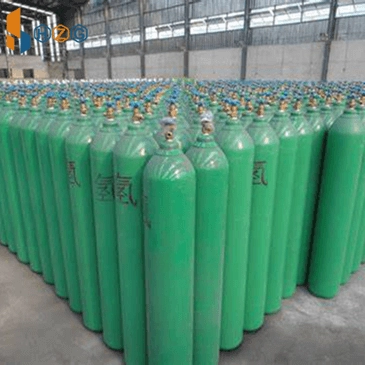
How Does a Nitrogen Generator Ensure Consistent Purity?
Many factories are moving away from cylinders and installing their own nitrogen generator. This machine takes ambient air and turns it into a pure gas. But how does it ensure the purity of the nitrogen? It uses technology like Pressure Swing Adsorption (PSA).
In PSA systems, compressed air is pushed through a bed of carbon molecular sieves. These sieves are smart; they grab the oxygen molecules but let the nitrogen pass through. To determine the nitrogen purity, you adjust the flow. Slower airflow allows the sieve to grab more oxygen, resulting in higher purity. Faster airflow gives you more gas, but with slightly lower purity.
A modern nitrogen generator comes with built-in analyzers. These monitoring systems constantly check the oxygen and nitrogen levels. If the purity drops below the set limit, the machine automatically stops the flow or sounds an alarm. This gives you consistent purity day in and day out. For industrial applications where nitrogen is used as an inert gas to prevent fires or explosions, this reliability is a huge advantage over delivered gas supply, which can vary from batch to batch.
What are the Hidden Dangers in the Gas Supply Chain?
Even if the gas leaves my factory at 99.999% purity, it has a long journey before it reaches your customer in the USA. The supply chain is where most contamination happens. The biggest culprit? The cylinder itself. If a cylinder is not properly cleaned or evacuated before being refilled, the old gas or air inside mixes with the new high-purity gas.
Another risk is the connection points. Every time you connect or disconnect a hose, a tiny amount of air can sneak in. Moisture is the most persistent contaminant. It clings to the walls of pipes and hoses. If a supplier uses cheap hoses that are not rated for high-purity, moisture from the air can actually permeate through the hose wall and contaminate the dry gas stream.
For a procurement officer like Mark, this is a pain point. You buy a premium product, but poor logistics degrade it. This is why maintaining gas purity requires strict protocols throughout the supply chain. It involves using check valves to prevent backflow and ensuring that every truck and transfer pump is dedicated to a specific service to avoid cross-contamination.
Why is Purity Critical for Semiconductor Manufacturing?
If there is one industry that keeps gas suppliers awake at night, it is semiconductor manufacturing. Making microchips is incredibly delicate. The features on a chip are thousands of times smaller than a human hair. A single microscopic particle or impurity in the process gas can short-circuit the chip, ruining it instantly.
In this sector, high-purity gases are essential. We are talking about ultra-high purity levels where impurities are measured in parts per trillion. Nitrogen is used here to purge equipment and create a clean environment. If the nitrogen has even a trace of oxygen, the metal on the chip can oxidize (rust) instantly.
High-purity gases are used to etch the circuits and clean the chambers. The requirements for gas here drive innovation in the entire gas industry. To serve this market, a supplier must have advanced purification system capabilities and clean-room packaging. It represents the pinnacle of gas purity standards. Even if you don't sell to chip makers, understanding their standards helps you appreciate what "clean" really means.
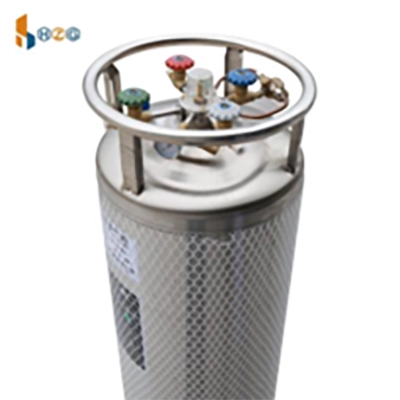
Liquid Nitrogen vs. Gas Cylinders: Which Maintains Purity Better?
When you need high purity nitrogen, you have two main choices for delivery: liquid nitrogen or high-pressure gas cylinders. Both have pros and cons regarding purity. Liquid nitrogen is produced by cooling air until it turns into a liquid. This process naturally separates out many impurities because they freeze at different temperatures. So, the liquid itself is usually extremely pure.
However, the risk with liquid is in the vaporization. To use it, you must turn it back into a gas. If the vaporizer or the piping is dirty, the pure gas gets contaminated. Cylinders, on the other hand, store gas that has already been vaporized and purified. The risk here is the cylinder preparation.
For very high volume, liquid is better. But for high-purity needs in smaller volumes, specially treated cylinders (often made of aluminum or specialized steel) are excellent. They are prepared using a "bake-out" process where the cylinder is heated and vacuumed to remove every trace of moisture and other gas molecules. As a supplier of Industrial Gas, I ensure our cylinders undergo this rigorous cleaning to maintain the purity our clients pay for.
How Can You Monitor Purity Levels in Real-Time?
Trust is good, but verification is better. You cannot see or smell if nitrogen is 99.9% or 99.999%. You need technology. The gold standard for analysis is gas chromatography (GC). A GC machine takes a sample of the gas and separates it into its individual components. It gives you a detailed report of exactly what is in the gas stream, including any impurity.
For on-site generation, we use continuous monitoring systems. These are sensors installed directly in the pipe. They provide real-time data on oxygen and moisture levels. If the purity of the gas drifts, the system alerts the operator.
For a buyer, asking for a Certificate of Analysis (COA) is a best practice. A COA is a document from the lab that proves the gas quality of that specific batch. Never accept a shipment without one. It is your proof that the gas purity ensures compliance with your needs. This simple step helps ensure compliance and prevents fraudulent claims about purity levels.
What Role Does the Delivery System Play in Maintaining Gas Purity?
You can have the purest gas in the world, but if you push it through a dirty pipe, it is ruined. The gas delivery system—the regulators, valves, and tubing—is the final mile of the journey. For high-purity gas, standard copper or rubber tubing is often not good enough. They can outgas (release trapped chemicals) or allow moisture to diffuse in.
The standard for high-purity is stainless steel tubing. The inside of the tubing should be electropolished. This means it is smoothed down on a microscopic level so that there are no rough spots for contaminants to hide. Also, the type of regulator matters. You need a regulator with a stainless steel diaphragm. Rubber diaphragms can absorb and release impurities.
Best practices involve purging the delivery system. Before you start the main flow of gas, you flush the lines with the pure gas to push out any air or moisture that got in while changing the cylinder. This "purge" is vital. It sacrifices a small amount of gas to protect the purity of gases for the actual process.

What are the Best Practices for Handling Specialty Gases?
Specialty gas refers to rare or ultra-high purity gases used for specific tasks, like calibration mixtures or laser gases. Handling them requires care. Here are some best practices to remember:
- Dedicated Equipment: Never use a regulator for oxygen one day and nitrogen the next. Cross-contamination is a major risk. Keep equipment dedicated to one type of gas.
- Leak Checks: A leak lets gas out, but it can also let air in due to the Venturi effect. Regularly test your gas systems for leaks using a specialized solution or detector.
- Storage: Store cylinders in a clean, dry area. If dust settles on the valve, it can be blown into your system when you connect it.
- Don't Empty Completely: Always leave a small amount of positive pressure (about 25 psi) in the cylinder when sending it back. This prevents outside air from entering the empty cylinder, making it easier for the supplier to clean and refill it with high-purity gas.
Following these simple rules helps in maintaining gas quality and ensures that your industrial processes run smoothly.
How Do You Choose a Supplier Who Guarantees Gas Quality?
Finally, the most critical decision is choosing your partner. The gas industry is full of traders, but not all follow the same standards. When evaluating a supplier for gas solutions, look beyond the price tag. Ask about their Quality Management System (QMS). Are they ISO certified?
Ask about their gas production and filling facilities. Do they have their own lab with GC systems to verify every batch? A reliable supplier will be transparent about their purity standards. They should be able to explain how they clean their cylinders and how they track their supply chain.
For Mark, dealing with suppliers in developing countries, trust is key. Look for a supplier who understands ultra-high-purity gas and has a track record of exporting to regulated markets. A good supplier acts as a consultant, helping you determine the right gas and the right purity needs for your business. We take pride in delivering high-purity gases Nitrogen that meet international specs, ensuring you never have to worry about the gas that powers your business.
Key Takeaways
- Define Your Needs: Understand the difference between industrial, high-purity, and ultra-high purity to avoid overpaying or under-specifying.
- Source Matters: Nitrogen generators (PSA) offer consistent on-site purity, while cylinders require strict supply chain management.
- Watch the Chain: Contamination often happens during transport or connection; use dedicated, clean gas delivery systems.
- Verify: Always demand a Certificate of Analysis (COA) and use monitoring systems for critical applications like semiconductor manufacturing.
- Equipment: Use stainless steel tubing and purge your lines to maintain the purity of the gas stream.
- Supplier Trust: Choose a supplier with verified lab capabilities and transparent best practices for gas purity.
By paying attention to these details, you ensure that your gas supply is a strong link in your business chain, not a weak one. Whether you need Medical Gas or industrial solutions, purity is the key to performance.