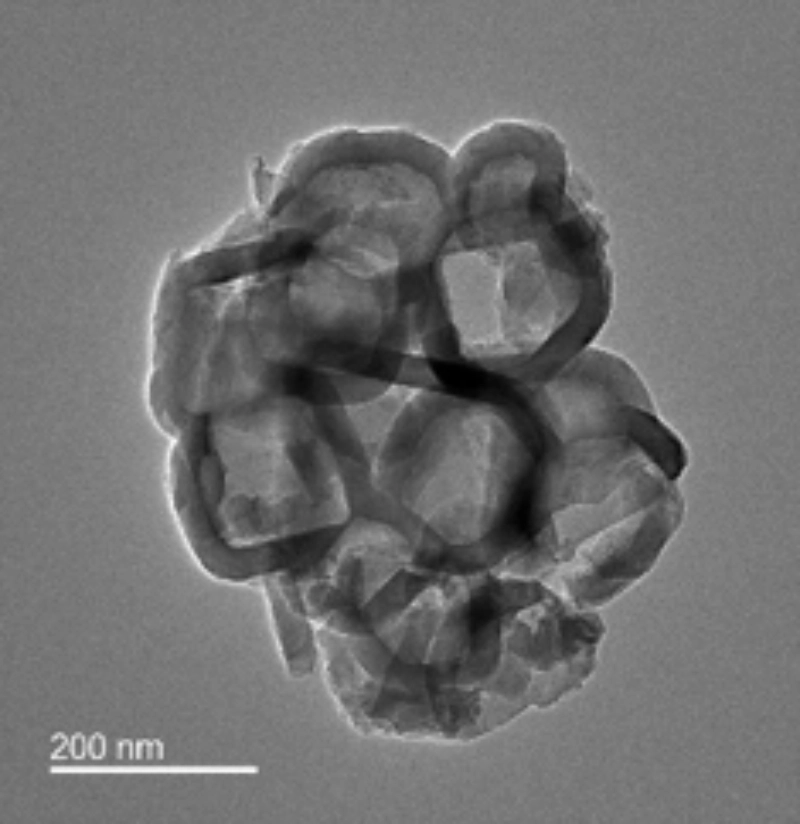
The Role of Hollow Silicon Structures in Lithium-Ion Batteries
Silicon has been talked about for years as a game-changing material for lithium-ion battery anodes. On paper, it can store far more energy than traditional graphite. In reality, though, silicon comes with a serious drawback: it doesn’t age well. After repeated charge and discharge cycles, many silicon-based batteries lose capacity much faster than expected. This is where hollow silicon structures are starting to make a real difference.
Why Cycle Life Matters So Much
Cycle life refers to how many times a battery can be charged and discharged before its performance drops noticeably. For electric vehicles, energy storage systems, and even consumer electronics, short cycle life means higher costs, more waste, and poorer user experience.
Traditional solid silicon particles tend to expand dramatically when they absorb lithium. Over time, this expansion causes cracking, electrical disconnection, and unstable battery performance. Even though silicon offers high capacity, its structural weakness has limited large-scale adoption.
How Hollow Silicon Changes the Game
Hollow silicon structures—especially nano-scale hollow spheres—address this problem at the structural level. Instead of being solid all the way through, these particles have a thin outer shell and an empty space inside.
That empty space is critical. When lithium enters the silicon during charging, the material expands inward as well as outward. The hollow core acts like a buffer, allowing the particle to handle stress without breaking apart. This greatly reduces mechanical damage over repeated cycles.
Better Stability, Longer Life
Because hollow silicon particles are less likely to crack, they maintain better contact with conductive materials inside the battery. This leads to more stable electrical pathways and slower performance degradation.
In practical terms, batteries using hollow silicon structures often show:
· Slower capacity fading
· Improved structural integrity over time
· More consistent performance across long cycling tests
While the exact results depend on design and processing, the trend is clear: better structure leads to better cycle life.
Surface Area and Reaction Efficiency
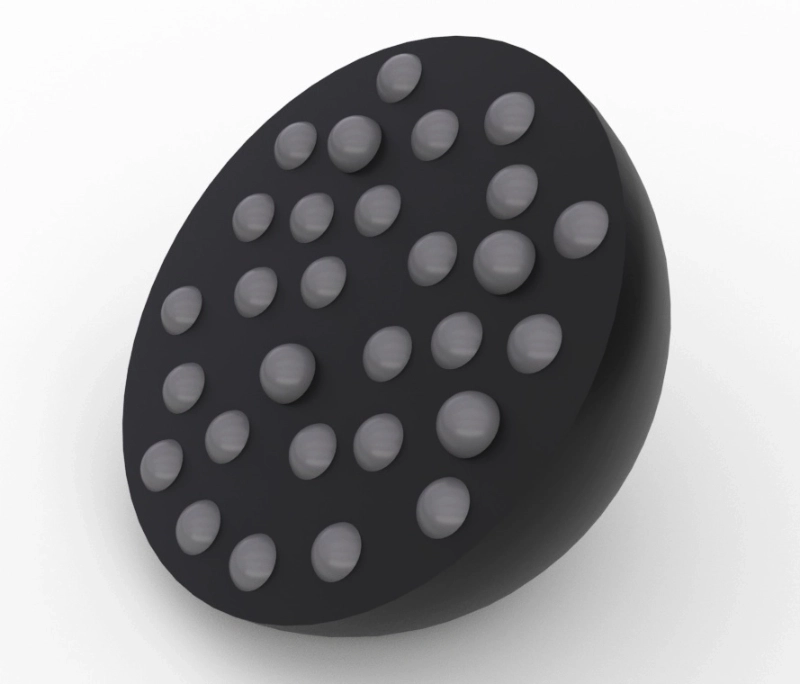
Another advantage of hollow silicon structures is their higher effective surface area. This allows lithium ions to move in and out more evenly, reducing localized stress and heat buildup. A more uniform reaction means fewer weak points, which further contributes to longer battery life.
At the same time, thinner silicon shells shorten diffusion paths, helping improve charge and discharge efficiency without sacrificing durability.
Balancing Performance and Cost
Hollow silicon materials are more complex to produce than solid particles, which can raise costs. However, longer cycle life means fewer replacements and better long-term value—especially for high-end applications like electric vehicles and grid storage.
As manufacturing techniques continue to improve, hollow silicon structures are becoming increasingly practical for commercial use.
Supporting Advanced Battery Materials with Huazhong Gas
At Huazhong Gas, we work closely with battery material developers and manufacturers by supplying high-purity specialty gases essential for silicon processing, coating, and nanomaterial fabrication. Our stable supply chain, strict quality standards, and responsive technical support help customers push battery innovation further—without compromising reliability.
If your battery research or production relies on advanced silicon materials, Huazhong Gas is here to support every cycle forward.