
How Modified Atmosphere Packaging Protects Food Products and Extends Shelf Life
In the global food supply chain, every hour counts. For a business leader like you, Mark, the difference between profit and loss often comes down to the freshness of your products. The greatest enemy? Spoilage. It’s a constant battle against time, microbes, and natural decay. As the owner of an industrial gas factory in China, my name is Allen, and I’ve seen firsthand how science can win this battle. The secret weapon is a technology called Modified Atmosphere Packaging, or MAP. It’s a sophisticated method of food preservation that uses simple, natural gases to dramatically extend the shelf life of a food product.
This article is your guide to understanding MAP. It’s not just for scientists or packaging engineers. It’s for decisive business owners who need to know how this technology works, why it’s safe, and how it can impact your bottom line. We'll explore how changing the very air a food product is packed in can keep it fresh, safe, and appealing for days or even weeks longer, reducing waste and opening up new markets. Let’s dive into the science of freshness.
What Exactly is Modified Atmosphere Packaging (MAP)?
At its core, Modified Atmosphere Packaging is a simple but brilliant idea. It involves changing the atmosphere inside the package to protect the food within. The air we breathe is roughly 78% nitrogen, 21% oxygen, and small amounts of other gases. While essential for us, this air composition is often the primary cause of food degradation. Oxygen, for example, fuels the growth of aerobic microorganisms (like bacteria and mold) and causes oxidation, which is why a sliced apple turns brown.
Modified atmosphere packaging technology works by replacing the air in a food package with a carefully controlled gas mixture. This new atmosphere is designed specifically for the food product being packaged. The goal is to slow down the aging and spoilage processes, preserving the food's quality and extending its shelf life. It's a form of controlled atmosphere storage, but on a micro-level for each individual package.
This isn't about adding artificial chemicals or preservatives. The gases used are the same ones found naturally in the air: nitrogen, carbon dioxide, and oxygen. The magic is in the mix. By adjusting the oxygen level and the concentration of other gases, food producers can create the perfect environment to keep food tasting and looking fresh. It’s a precise science that has revolutionized the food industry, allowing products stay fresh from the factory to the consumer's table.
How Does MAP Technology Actually Protect Foods from Spoilage?
The way modified atmosphere packaging protects food is a fascinating interplay of biology and chemistry. Each gas in the mix has a specific job to do. The primary goal is to counteract the two main culprits of spoilage: the growth of microorganisms and the damaging effects of oxidation.
Carbon dioxide (CO₂) is the superhero when it comes to stopping microbes. It has a bacteriostatic and fungistatic effect, meaning it can significantly inhibit the growth of most aerobic bacteria and molds. When CO₂ dissolves into the food's moisture and fat, it lowers the pH, creating an environment where spoilage microbes struggle to survive. This is crucial for perishable food like meat and cheese.
Oxygen, on the other hand, is a double-edged sword. Removing it is key to stopping oxidation and the growth of aerobic bacteria. However, for some products, a small amount is beneficial. For fresh red meat, a high-oxygen atmosphere (around 60-80%) helps maintain the bright red color that consumers associate with freshness. For fresh produce, a low level of oxygen is needed to allow the product to "breathe" or respire, preventing unwanted anaerobic fermentation. The key is controlling the gas composition precisely. Finally, nitrogen acts as an inert filler. It displaces oxygen to prevent oxidation and, because it doesn't react with the food, it also provides a cushion, preventing the package from collapsing and protecting delicate items like chips or fresh pasta.
What are the Key Benefits of Modified Atmosphere Packaging?
For any business, adopting a new technology must come with clear advantages. The use of modified atmosphere packaging offers a powerful return on investment by tackling some of the biggest challenges in the food industry.
Here are the primary benefits:
- Extended Shelf Life: This is the most significant benefit. By slowing down decay, MAP can often double or even triple the shelf life of food. This allows for longer distribution chains, reduces the need for frequent restocking, and gives consumers more time to use the product at home.
- Reduced Food Waste: With a longer shelf life, less food is thrown away at the retail level and in households. This is not only a huge cost saving but also a major step toward more sustainable food systems. Globally, food waste is a massive problem, and MAP is a practical tool to combat it.
- Enhanced Product Quality and Freshness: MAP helps preserve the taste, texture, color, and nutritional value of food. Products look and taste better for longer, which directly impacts consumer satisfaction and brand loyalty. The packaging reduces the visual signs of aging.
- Elimination of Artificial Preservatives: In many cases, MAP can reduce or eliminate the need for chemical preservatives. This appeals to the growing consumer demand for "clean label" products with natural ingredients. The gas acts as a natural preservative.
- Improved Presentation: Using a gas like nitrogen to cushion the product prevents it from being crushed during transport. This ensures the packaged food arrives on the shelf looking its best.
Which Gases are Used in MAP and Why? A Look at the Gas Combinations.
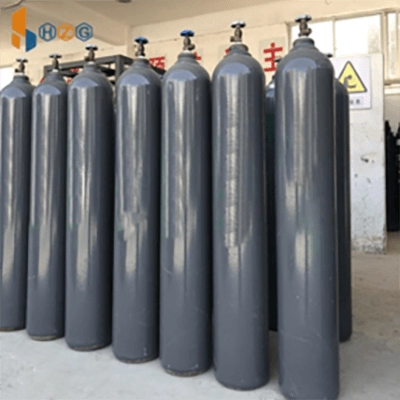
The effectiveness of MAP lies in choosing the right gas or gas mixture for each specific food product. The three main gases—nitrogen, carbon dioxide, and oxygen—are combined in different ratios to create the ideal package atmosphere. As a supplier, I’ve seen how critical getting this mix right is for my clients.
Nitrogen (N₂): This is the most commonly used gas in MAP. Nitrogen gas is an inert gas, meaning it doesn't react with other substances. Its main jobs are:
- To Displace Oxygen: By flushing out air, nitrogen reduces the oxygen content, slowing down oxidation and the growth of aerobic microbes.
- To Act as a Filler: It prevents package collapse, especially after the volume is reduced during a vacuum process. It protects delicate products like potato chips, baked goods, and fresh pasta.
Carbon Dioxide (CO₂): This is the most active and important gas for inhibiting spoilage. Its primary function is to stop the growth of bacteria and mold. It is effective even at low concentrations (around 20%), but for products like hard cheese or bakery items, concentrations can be up to 100%. The higher the CO₂ level, the longer the shelf life of perishable food.
Oxygen (O₂): While often seen as the enemy of freshness, oxygen plays a vital role in specific packaging applications:
- For Red Meat: High levels of oxygen react with the myoglobin in meat to form oxymyoglobin, which has a vibrant, appealing red color. Without it, meat would look brownish-purple, which consumers might reject.
- For Fruits and Vegetables: Fresh fruits and vegetables are living products that continue to respire after being harvested. A very low level of oxygen is needed to prevent anaerobic respiration, which can lead to off-flavors and odors.
| Gas | Primary Function | Common Food Products |
|---|---|---|
| Nitrogen (N₂) | Inert filler, displaces oxygen, prevents collapse | Potato chips, nuts, coffee, fresh pasta |
| Carbon Dioxide (CO₂) | Inhibits mold and bacteria growth | Cheese, baked goods, cured meats, poultry |
| Oxygen (O₂) | Maintains red color in meat, allows produce to respire | Fresh red meat, fish, fruits and vegetables |
What are the Most Common Applications of MAP in Food Preservation?
MAP technology is incredibly versatile and is used across a wide range of perishable food products. You've almost certainly purchased products that use it without even realizing it. The specific gas composition within the package is tailored to the needs of various products.
Some of the most common applications of MAP include:
- Fresh Meat and Poultry: This is one of the biggest markets for MAP. For red meat, a high-oxygen mix (e.g., 70% O₂, 30% CO₂) is used to preserve the red color and inhibit bacterial growth. For poultry, a CO₂ and nitrogen mix is used, as color preservation is less of a concern.
- Fish and Seafood: These products are highly perishable. A typical mix of CO₂, nitrogen, and sometimes a low level of O₂ is used to slow down microbial spoilage and oxidation.
- Dairy Products: For hard cheeses, high levels of carbon dioxide prevent mold growth. For soft cheeses and yogurt, a mix of CO₂ and nitrogen is common.
- Bakery Products: Items like bread, cakes, and pastries are susceptible to mold. A high-CO₂ atmosphere effectively extends their shelf life without the need for chemical preservatives.
- Fresh Fruits and Vegetables: This is a complex area known as Equilibrium Modified Atmosphere Packaging (EMAP). The packaging films are designed to be slightly permeable, allowing the respiring produce to create its own ideal atmosphere inside the package. The goal is to balance the respiration rate of fresh produce with the gas transmission rate of the film.
How is the MAP Process Carried Out? Exploring Gas Flushing.
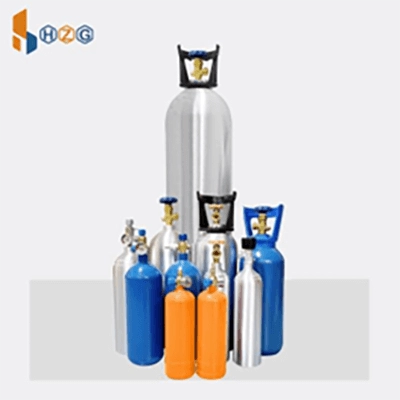
The practical application of MAP is a high-speed, precision-engineered process. For a procurement officer like Mark, understanding the basics of this packaging process helps in appreciating the importance of a reliable gas supply. The most common method is called gas flushing.
The process generally follows these steps:
- Placement: The food product is placed into its tray or pouch, which is made from specific packaging materials.
- Air Removal: The package is then placed into a chamber. The air is drawn out of the package, creating a vacuum. This step removes almost all of the original atmosphere.
- Gas Flushing: Immediately after the vacuum is created, the custom-designed gas mixture is "flushed" into the package, completely replacing the air. This happens in a fraction of a second.
- Sealing: Before the gas can escape, a heated sealing bar presses down on the edges of the package, creating an airtight, hermetic seal.
The entire operation is automated and integrated into modern food production lines. The key to success is consistency. The gas concentration must be perfect in every single package to ensure uniform quality and shelf life. This is why the purity and reliability of the map gas supply is absolutely critical. Any interruption or quality issue can bring a multi-million dollar production line to a halt.
Why are Packaging Materials So Important for MAP?
The carefully crafted atmosphere inside a MAP package would be useless without the right container. The packaging materials—usually plastic films or trays—play an equally important role as the gas itself. They act as a highly selective barrier, keeping the protective atmosphere inside and the harmful outside air out.
The choice of packaging type depends entirely on the food product. For a product like cheese or cooked meat, you need a high-barrier film that is almost completely impermeable to gas. This locks the modified atmosphere in and keeps oxygen out for the entire shelf life of the product. These films are often multi-layered, with materials like EVOH (ethylene vinyl alcohol) or metallized layers acting as the main barrier.
For fresh fruits and vegetables, the requirement is different. As mentioned, these products need to respire. Therefore, the packaging films used are designed with specific permeability characteristics. They have a known gas transmission rate that allows a small amount of oxygen to enter and excess carbon dioxide to escape. This creates a balanced, stable atmosphere that slows ripening and decay without suffocating the product. The science of matching the film to the food's respiration rate is a key part of successful packaging for fresh produce.
Is Modified Atmosphere Packaging Safe for Consumers?
This is a critical question, and the answer is an emphatic yes. Modified atmosphere packaging is one of the safest food packaging technology methods available. This confidence comes from one simple fact: the gases used are completely natural and are major components of the air we breathe every day.
There are no foreign chemicals or synthetic additives involved. The process simply changes the ratio of nitrogen, carbon dioxide, and oxygen that surrounds the food. Regulatory bodies like the FDA in the United States and the EFSA in Europe have thoroughly reviewed and approved MAP for a wide range of food products. They consider the gases used to be food-grade additives that are completely safe for consumption.
In fact, MAP often improves food safety. By inhibiting the growth of spoilage bacteria, it also slows the growth of many pathogenic (illness-causing) microorganisms. Of course, MAP is not a substitute for proper food handling and refrigeration. It is a food preservation and storage tool that helps maintain the safety and quality of a product when it is stored correctly. Consumers can be confident that atmosphere packages are a safe and effective way to ensure fresh food.
What Future Packaging Innovations are Building on MAP Technology?
MAP is a mature technology, but the packaging innovation surrounding it is constantly evolving. The future of food packaging is focused on making packages smarter, more effective, and more sustainable. MAP is the foundation for many of these exciting developments.
One of the most promising areas is Active Modified Atmosphere Packaging. This goes a step beyond simply setting an atmosphere at the time of packaging. Active packaging involves incorporating materials into the film or adding small sachets that can actively manage the atmosphere within the package over time. Examples include:
- Oxygen Scavengers: These absorb any residual oxygen in the package or any that might leak in over time, offering maximum protection against oxidation.
- Ethylene Absorbers: Fresh fruit produces ethylene gas as it ripens. These absorbers remove the ethylene, dramatically slowing the ripening process for products like bananas and avocados.
- Moisture Regulators: These can absorb excess moisture to keep products crisp or release moisture to prevent others from drying out.
Another exciting field is Intelligent Packaging. This involves adding sensors or indicators to the product packaging that can provide real-time information about the freshness of the food product. For example, a color-changing label could react to the presence of carbon dioxide or other gases produced during spoilage, giving a clear and accurate indication of whether the food is still good to eat, far more reliable than a simple "best by" date.
How Can Choosing the Right Gas Supplier Elevate Your Packaging Solution?
For a business owner like Mark, who sources materials globally, the choice of a supplier is a strategic decision. When it comes to the gases for MAP, this decision directly impacts product quality, operational efficiency, and even brand reputation. Your gas supplier is not just a vendor; they are a partner in your success. This is where my experience at my own factory becomes relevant.
Quality and Purity: This is non-negotiable. As we've discussed, the gas composition must be precise. Any impurities in the gas can affect the food's taste, safety, and shelf life. You need a supplier who can provide certified, food-grade gases consistently. A supplier who cuts corners or, worse, commits certificate fraud—a real pain point I know you've faced—puts your entire business at risk.
Reliability and Capacity: A modern food factory can use enormous quantities of gas. Shipment delays can shut down a production line, costing thousands of dollars per hour. You need a supplier with a robust supply chain and significant production capacity. My facility, for example, runs 7 production lines to ensure we can meet demand spikes and provide an uninterrupted supply of essential products like food-grade Carbon Dioxide and high-purity Nitrogen.
Expertise and Support: The best suppliers understand your business. They don't just sell you a cylinder of gas; they understand the application. A knowledgeable partner can provide advice on the optimal gas mixture for a new food product, help troubleshoot issues with your packaging system, and keep you informed about new trends in MAP technology. This level of partnership transforms a simple transaction into a competitive advantage. As a provider of Bulk High Purity Specialty Gases, we pride ourselves on being that expert partner for our clients.
Key Takeaways
- What MAP Is: Modified Atmosphere Packaging is a proven technology that replaces the air in a food package with a specific gas mixture to extend shelf life and preserve quality.
- How It Works: It uses a combination of Nitrogen (filler), Carbon Dioxide (antimicrobial), and sometimes Oxygen (for color/respiration) to slow spoilage from microbial growth and oxidation.
- Major Benefits: MAP leads to a longer shelf life, significantly reduces food waste, improves product quality and freshness, and can eliminate the need for chemical preservatives.
- Safety is Assured: The gases used are natural components of the air we breathe and are highly regulated, making MAP a very safe method of food preservation.
- It's a System: The success of MAP depends on three things working together: the right food product, the correct gas mixture, and the appropriate packaging materials with specific barrier properties.
- Your Supplier Matters: Choosing a reliable, high-quality gas supplier is critical. Their expertise, capacity, and commitment to purity directly impact your final product and operational efficiency.