
Understanding the Different Industrial Gases and Their Applications
Welcome! Have you ever stopped to think about all the hidden workhorses that keep manufacturing lines humming, hospitals running smoothly, and even make your favorite fizzy drink? These are industrial gases, and they play an absolutely vital role in a surprising number of everyday processes and advanced technologies. If you're involved in procurement, manufacturing, or research, knowing about the common types of industrial gases and their uses isn't just helpful – it's essential for ensuring quality, efficiency, and safety in your operations. This article will take you on a journey through the world of industrial gases, exploring the most common types, their diverse applications, and crucially, what you need to know to secure a reliable, high-quality gas supply for your business. Stick around, and you'll gain valuable insights to navigate the industrial gas market with confidence.
What Are Industrial Gases and Why Are They So Important?
Industrial gas is a group of gaseous materials that are produced and sold for use in a wide range of industrial processes and applications. Unlike fuel gas like natural gas or crude oil refinement products used primarily for energy, industrial gases are produced to be used based on their specific chemical properties. Think of them as chemical building blocks or essential tools in manufacturing, science, and medicine. These gases are often separated from air, synthesized from petrochemicals, or recovered as byproducts of other processes.
The importance of these gases cannot be overstated. From enabling chemical reactions and preserving food to assisting in critical medical procedures and fabricating the components of electronics, their applications are incredibly broad. Without a reliable supply of these essential industrial gases, many modern industries would simply grind to a halt. The sheer range of industrial gases available, and the purity levels at which they are needed, means the industrial gas industry is complex and requires deep technical knowledge and reliable logistics. These various gases are handled under pressure or at low temperatures, requiring specialized knowledge for safe production, handling, and transportation.
Which Are the Most Common Types of Industrial Gases You Should Know?
When we talk about types of industrial gases, we're looking at a wide array of chemical elements and compounds in gaseous form. However, a few stand out due to their widespread use and significance across multiple sectors. These common types of industrial gases are the backbone of many operations. Learning about these common types helps you understand the landscape and identify what might be crucial for your specific needs.
The most common industrial gas categories often include atmospheric gases separated from the air (like oxygen, nitrogen, and argon), and process gases synthesized for specific uses (like hydrogen, carbon dioxide, acetylene, and specialty gases). Each gas possesses unique properties that dictate its applications, making them indispensable tools in various industrial processes. Understanding these different industrial gases and their distinct roles is the first step in mastering the world of industrial gas supply.
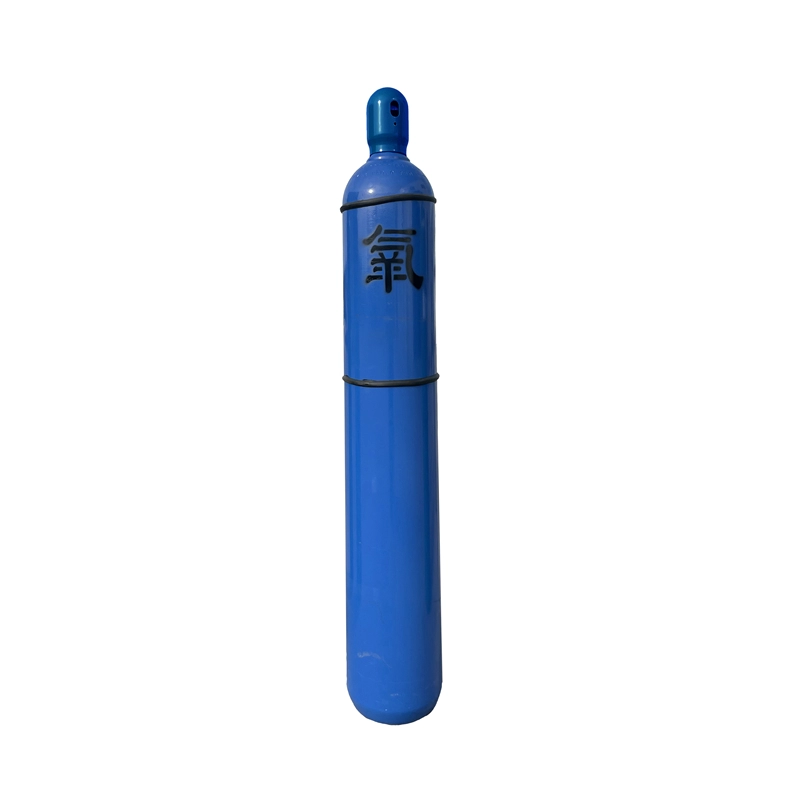
Why is Oxygen Gas (O₂) Essential in So Many Industries?
Let's start with oxygen (O₂). We breathe it, of course, but its role in the industrial gas world goes far beyond respiration. Oxygen is a highly reactive gas that readily combines with other elements, a property that makes it invaluable in combustion, oxidation, and many chemical reactions. It's one of the major industrial gases and is used in a wide range of applications.
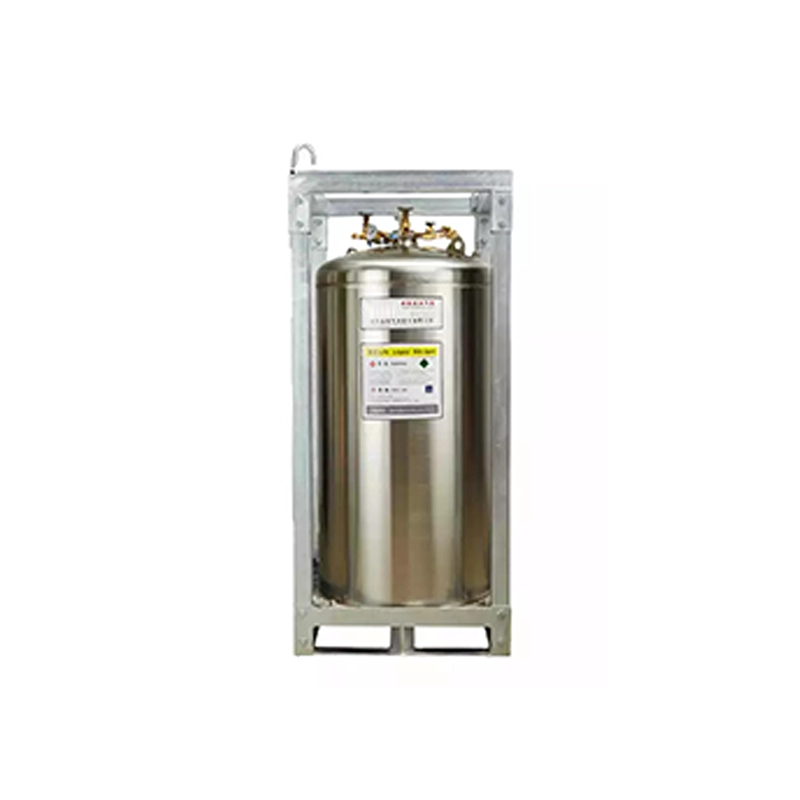
In manufacturing, oxygen is critical for metal cutting and welding, significantly increasing efficiency and enabling cleaner cuts. It's vital in the steel industry to remove impurities. In the medical field, high-purity oxygen is a life-saving medical gas. The chemical industry uses oxygen as a reactant to produce numerous compounds. Water treatment plants use oxygen to enhance aerobic decomposition. Supplying oxygen requires specialized gas containers designed for high pressure, or as a cryogenic liquid, which takes up less space for transport and storage in large gas tanks. Whether delivered via gas supply lines or in high-pressure gas cylinders, ensuring the purity and consistent supply of oxygen is paramount for safety and process integrity.
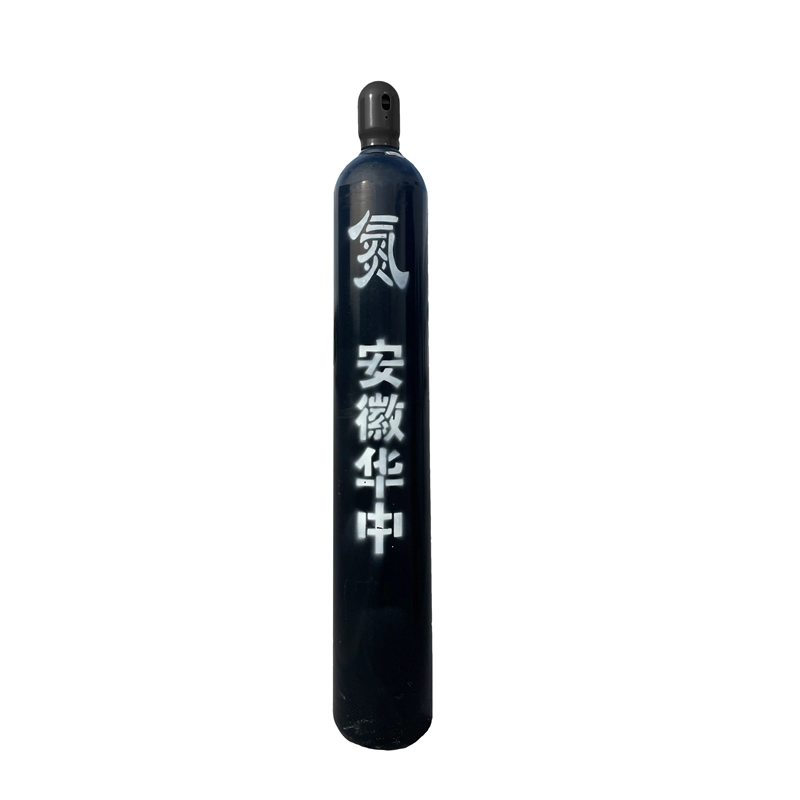
How Does Nitrogen Gas (N₂) Serve as a Vital Workhorse?
Next up is nitrogen (N₂), the most abundant gas in Earth's atmosphere. Unlike oxygen, nitrogen is largely inert, meaning it doesn't easily react with other substances. This inertness is precisely why it's such a valuable industrial gas. Nitrogen is used in a wide range of applications where preventing unwanted reactions, like oxidation or combustion, is necessary.
Think about electronics manufacturing – nitrogen gas is used to create inert atmospheres to prevent delicate components from oxidizing during soldering or assembly. The food industry uses nitrogen for packaging to displace oxygen, extending shelf life by preventing spoilage. In the oil and gas sector, nitrogen is used for purging pipelines and tanks. It's also employed in cryogenics, particularly as liquid nitrogen, for rapid freezing of food or for medical applications like preserving biological samples. Its ability to provide a safe, non-reactive environment makes nitrogen indispensable in many industrial processes and laboratory settings.
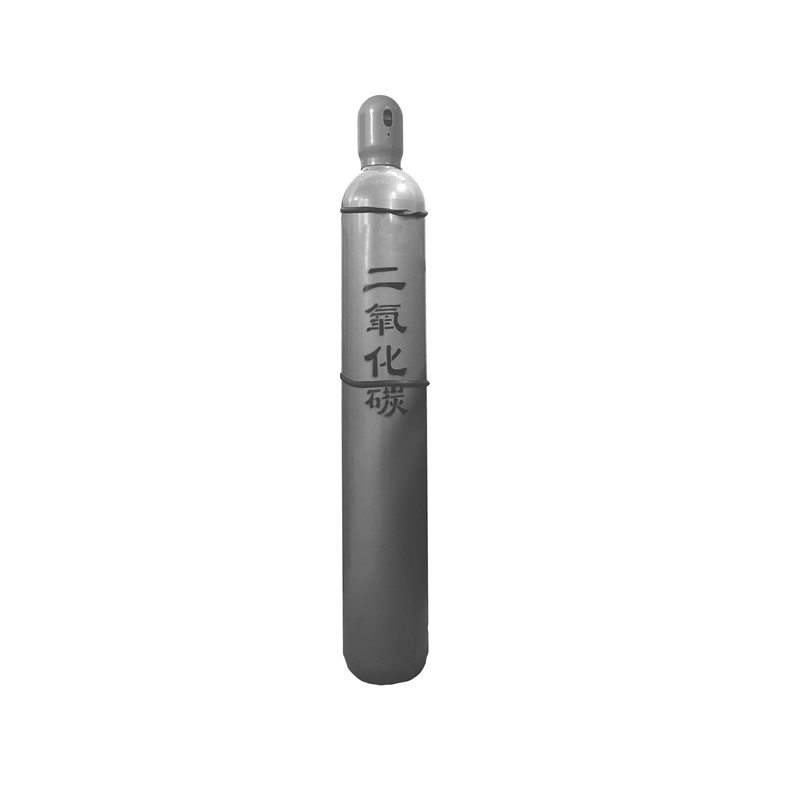
What Makes Carbon Dioxide (CO₂) Such a Versatile Gas?
Carbon dioxide (CO₂) is another star player in the industrial gas lineup. While sometimes seen as just a greenhouse gas, carbon dioxide is a highly useful compound with a broad spectrum of industrial applications. Its properties, including its ability to sublimate (turn directly from solid to gas as dry ice) and its solubility under pressure, make it unique.
Carbon dioxide is famously used to carbonate beverages, giving them their fizz. The food industry also uses dry ice for refrigeration during transport. In welding, carbon dioxide is used as a shielding gas to protect the weld area from atmospheric contamination, preventing oxidation and ensuring a strong joint. It's also crucial in chemical processes, fire suppression systems, and even in agriculture to enhance plant growth in greenhouses. Furthermore, supercritical carbon dioxide is used as a solvent for extraction processes, such as decaffeinating coffee. The reliable supply of carbon dioxide in various forms, from pressurized cylinders to liquid tanks, is essential for these numerous commercial and industrial applications.
Is Hydrogen Gas (H₂) Truly the Fuel of Tomorrow?
Hydrogen (H₂) is often talked about as the future of clean energy, but it's already a critical industrial gas today. It's the most abundant element in the universe, and its high energy content makes it an excellent fuel gas. However, its industrial uses extend far beyond just burning for energy.
The primary industrial use of hydrogen is in chemical processes, such as the production of ammonia for fertilizers, methanol, and in refining petroleum. It's also used in the hydrogenation of oils and fats. In electronics manufacturing, high-purity hydrogen is used as a reducing atmosphere. In the metal industry, it's used in annealing processes. While its potential as a clean fuel gas for vehicles and power generation is gaining traction, the logistics of producing, storing, and transporting hydrogen safely are significant considerations. Whether delivered via pipeline, tube trailers, or compressed gas cylinder, ensuring the purity and security of hydrogen supply is paramount.
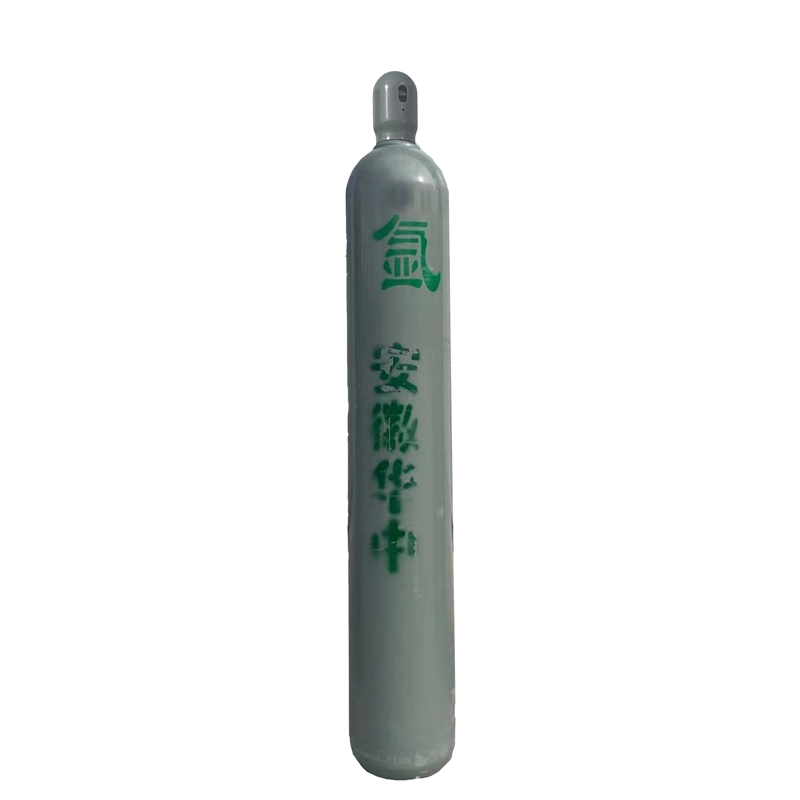
How is Argon Gas (Ar) Used, Especially in Welding?
Argon (Ar) is another inert gas, like nitrogen, but it has a higher density and a completely filled valence shell of electrons, making it even less reactive under certain conditions. This makes argon incredibly valuable in applications where absolute inertness is required. Argon is most used in welding, particularly Gas Tungsten Arc Welding (GTAW, or TIG) and Gas Metal Arc Welding (GMAW, or MIG), where it acts as a perfect shielding gas to protect the hot weld area from contamination by oxygen, nitrogen, or moisture in the air.
Using argon as a shielding gas to prevent substances from interfering with the weld results in a stronger, cleaner, and more aesthetically pleasing joint. Beyond welding, argon is used in lighting (like fluorescent bulbs and plasma globes), in the production of titanium and other reactive metals, and in the electronics industry for growing crystals. Sometimes, argon is mixed with other gases to create specific gas mixtures optimized for different welding processes or other industrial processes. For businesses relying on high-quality welding or other inert atmospheric processes, a consistent and pure argon supply is non-negotiable.
Where Does Helium (He) Play a Critical Role in Industry?
Though less common than oxygen or nitrogen, helium (He) is an incredibly important industrial gas with unique properties. It's the second lightest element and has the lowest boiling point of any gas, making it essential for cryogenic applications. Unlike other gases that might condense at very low temperatures, helium remains a gas.
This property makes helium indispensable for cooling superconducting magnets, most notably in MRI (Magnetic Resonance Imaging) machines in hospitals and in scientific research equipment like particle accelerators. Helium is also used as a lifting gas for balloons and airships (being non-flammable, unlike hydrogen), as a shielding gas in welding certain materials, as a leak detection gas in manufacturing (due to its small atomic size), and in the production of semiconductors and fiber optics. Because it's a finite resource primarily extracted from natural gas deposits, the supply of helium can be volatile, making a reliable supplier even more important for industries that depend on it.
Ensuring Quality and Purity: A Key Concern for Industrial Gases
For businesses like chemical and manufacturing companies, medical institutions, and research laboratories, the purity and quality of industrial gases are paramount. Contaminants in gases can lead to flawed products, inefficient processes, equipment damage, or even safety hazards. This is why procuring high-quality industrial gases is not just a preference, but a necessity. As a factory specializing in gas production, we understand the critical need for consistent purity.
Quality assurance starts at the source, whether separating atmospheric gases or synthesizing compounds. Rigorous testing is performed throughout the gas production and filling process to ensure gases meet specified purity levels, often reaching 99.999% or even higher for specialty gases used in sensitive applications like electronics or laboratories. Certifications and adherence to international standards provide a crucial layer of trust and verification. When choosing a supplier, asking about their quality control processes, testing methods, and certifications is essential. We pride ourselves on our strict quality inspection procedures and compliance with international standards, ensuring the pure gases you receive meet your exact specifications.
Choosing the Right Industrial Gas Supplier: Reliability is Key
Finding the right industrial gas supplier is a strategic decision that impacts your operations significantly. You need a partner who understands your needs, can provide a consistent and reliable gas supply, offers the necessary quality and certifications, and can handle the logistics, especially for international exports to countries like the USA, North America, Europe, and Australia.
As a factory with seven production lines, we are uniquely positioned to offer flexible supply options and ensure minimal delays, directly addressing pain points like shipment delays. We understand the importance of certifications and provide comprehensive documentation for quality inspection. Effective communication is also vital; you need a supplier who is responsive and knowledgeable, bridging any potential gaps, especially when dealing with complex products or logistics. Our B2B model focuses on building strong, reliable partnerships with businesses like yours. We offer a diverse product range including common types of industrial gases and specialized mixtures, all packaged safely and reliably. When you're looking to purchase low-cost industrial gases without sacrificing quality or reliability, partnering directly with a factory like ours can offer significant advantages. We are accustomed to exporting and can navigate the complexities of international logistics and payment methods, aiming to make your purchasing experience efficient and worry-free.
Navigating the world of industrial gases requires understanding the fundamental types, their diverse roles, and the critical importance of quality and supply chain reliability. From the reactive power of oxygen and the inert protection of nitrogen and argon to the versatile applications of carbon dioxide and the specialized uses of hydrogen and helium, these gases are indispensable across countless industrial and commercial applications.
Choosing a supplier is about more than just price; it's about securing a partnership that guarantees the high-quality gases your operations depend on, delivered reliably and with transparent communication. As a factory exporting globally, we bring direct expertise, robust production capabilities, and a commitment to quality and service that aims to meet your current needs and applications and exceed your expectations. Whether you require pure elemental gases or complex gases and mixtures, understanding the landscape empowers you to make informed decisions for your business's success.
Key Takeaways:
- Industrial gases are essential chemical building blocks for a vast range of industrial gases and commercial processes.
- The common types of industrial gases include oxygen, nitrogen, carbon dioxide, hydrogen, argon, and helium, each with unique properties and applications.
- These gases are used in various industrial sectors, from manufacturing and welding to medical, research, and food industries.
- Purity and quality are critical for industrial gases to ensure process integrity, product quality, and safety.
- Choosing a reliable industrial gas supplier with strong quality control, certifications, and logistical capabilities is vital for consistent supply and peace of mind, especially for international procurement.