
ควบคุมการจ่ายไนโตรเจนของคุณ: คู่มือเครื่องกำเนิดไนโตรเจน PSA และระบบสร้างออกซิเจนและไนโตรเจน
ในโลกของการผลิตทางอุตสาหกรรมที่เปลี่ยนแปลงไปอย่างรวดเร็ว การควบคุมห่วงโซ่อุปทานของคุณเป็นความลับในการก้าวนำหน้า ในฐานะเจ้าของโรงงานก๊าซที่มีสายการผลิตเจ็ดแห่งในประเทศจีน ฉัน อัลเลน ได้เห็นโดยตรงว่าการหยุดชะงักในการจัดหาก๊าซสามารถหยุดการผลิตได้อย่างไร ไม่ว่าคุณจะอยู่ในภาคส่วนเคมีหรือเปิดห้องปฏิบัติการวิจัย การใช้กระบอกสูบที่จัดส่งมักจะไม่มีประสิทธิภาพ นี่คือที่ เครื่องกำเนิดไนโตรเจน เข้ามาเล่น
บทความนี้ควรค่าแก่การอ่านเพราะตัดผ่านศัพท์แสงทางเทคนิค เอกสารนี้เขียนขึ้นสำหรับผู้มีอำนาจตัดสินใจเช่นคุณ Mark ที่ต้องการสร้างสมดุลระหว่างคุณภาพกับต้นทุน เราจะสำรวจวิธีการ การสร้างไนโตรเจน ทำงานโดยเฉพาะการมอง PSA (Pressure Swing Adsorption) เทคโนโลยี เราจะมองภาพกว้างๆ ของ การสร้างออกซิเจนและไนโตรเจน ระบบ ในตอนท้ายของคู่มือนี้ คุณจะเข้าใจว่าทำไมจึงเปลี่ยนมาทำงานนอกสถานที่ ระบบสร้างไนโตรเจน อาจเป็นการลงทุนที่ชาญฉลาดที่สุดสำหรับธุรกิจของคุณ เพื่อให้มั่นใจว่ามีการไหลอย่างต่อเนื่อง ก๊าซไนโตรเจน และขจัดความปวดหัวของโลจิสติกส์
เครื่องกำเนิดไนโตรเจนทำงานอย่างไรเพื่อผลิตก๊าซ?
A เครื่องกำเนิดไนโตรเจน เป็นเครื่องแยกโมเลกุลไนโตรเจนออกจากอากาศอัด อากาศที่เราหายใจมีไนโตรเจนประมาณ 78% และออกซิเจน 21% โดยมีก๊าซอื่นๆ อีกจำนวนเล็กน้อย เป้าหมายของเครื่องกำเนิดไฟฟ้าคือการแยกไนโตรเจนเพื่อนำไปใช้ในอุตสาหกรรม แทนที่จะซื้อไนโตรเจนเหลวหรือถังแรงดันสูง งานเครื่องกำเนิดไนโตรเจน วงจรช่วยให้คุณผลิตก๊าซของคุณเองได้ในจุดที่คุณต้องการ
กระบวนการเริ่มต้นด้วยเครื่องอัดอากาศ อากาศอัด จะถูกผลักเข้าไปในระบบ ก่อนที่จะถึงขั้นตอนการแยกอากาศ อากาศจะถูกทำความสะอาดเพื่อขจัดน้ำมันและน้ำ นี่เป็นสิ่งสำคัญเนื่องจากความชื้นสามารถทำลายส่วนประกอบภายในของตัวเครื่องได้ ระบบการสร้าง. เมื่อทำความสะอาดแล้ว อากาศจะเข้าสู่เครื่องกำเนิดไฟฟ้า ในที่นี้กระบวนการที่เรียกว่า การแยกก๊าซ เกิดขึ้น เครื่องจะกรองเอา. ออกซิเจนและไอน้ำโดยทิ้งกระแสไนโตรเจนบริสุทธิ์ไว้เบื้องหลัง
สำหรับเจ้าของธุรกิจทำความเข้าใจวิธีการก งานเครื่องกำเนิดไนโตรเจน เป็นเรื่องเกี่ยวกับความเข้าใจในความเป็นอิสระ เมื่อคุณมี ระบบสร้างไนโตรเจน เมื่อติดตั้งแล้ว คุณจะไม่ต้องพึ่งพารถบรรทุกที่มาถึงตรงเวลาอีกต่อไป คุณมี การจัดหาไนโตรเจนอย่างต่อเนื่อง ที่ปลายนิ้วของคุณ เปลี่ยนอากาศซึ่งเป็นทรัพยากรเสรีให้เป็นสินค้าอุตสาหกรรมที่มีคุณค่า นี่คือแนวคิดพื้นฐานของ การสร้างก๊าซ.
การสร้างไนโตรเจน PSA คืออะไร และเหตุใดจึงเป็นที่นิยม
PSA ย่อมาจาก การดูดซับแรงดันสวิง. เป็นเทคโนโลยีที่ใช้บ่อยที่สุดสำหรับ ไนโตรเจนในสถานที่ การผลิตวันนี้ ก เครื่องกำเนิดไนโตรเจน PSA ใช้หอคอยสองหลังที่เต็มไปด้วยวัสดุที่เรียกว่า ตะแกรงโมเลกุลคาร์บอน (ซีเอ็มเอส) วัสดุนี้น่าทึ่งมาก มีรูพรุนเล็กๆ ซึ่งมีขนาดพอเหมาะที่จะดักจับโมเลกุลออกซิเจนแต่ยอมให้ โมเลกุลไนโตรเจน ที่จะผ่านไป
นี่คือวิธีการ ไนโตรเจน PSA กระบวนการทำงาน: อากาศอัด เข้าสู่หอคอยแรก ภายใต้ความกดดันสูง CMS จะดูดซับออกซิเจน ไนโตรเจนไหลผ่านหอคอยและถูกรวบรวมเป็นก๊าซผลิตภัณฑ์ หลังจากนั้นไม่นาน CMS ก็จะเต็มไปด้วยออกซิเจน จากนั้นระบบจะ "แกว่ง" ไปยังหอคอยแห่งที่สองเพื่อดำเนินการผลิตต่อ ในขณะเดียวกัน หอคอยแห่งแรกจะปล่อยแรงดัน และออกซิเจนที่ติดอยู่จะถูกระบายกลับออกสู่ชั้นบรรยากาศ วงจรนี้เกิดขึ้นซ้ำอย่างต่อเนื่อง
การสร้างไนโตรเจน PSA เป็นที่นิยมเนื่องจากมีประสิทธิภาพและความน่าเชื่อถือ ก็สามารถผลิตได้ ไนโตรเจนที่มีความบริสุทธิ์สูง (สูงถึง 99.999%) ซึ่งจำเป็นสำหรับการใช้งานด้านอิเล็กทรอนิกส์และเคมีหลายประเภท ต่างจากวิธีการแบบเก่า ก เครื่องกำเนิดไนโตรเจน PSA ทำงานที่อุณหภูมิแวดล้อม ทำให้ปลอดภัยและง่ายต่อการบำรุงรักษา สำหรับผู้ซื้อเช่นมาร์ค ระบบพีเอสเอ นำเสนอความสมดุลที่ยอดเยี่ยมของต้นทุนเริ่มต้นและการประหยัดในการดำเนินงานในระยะยาว
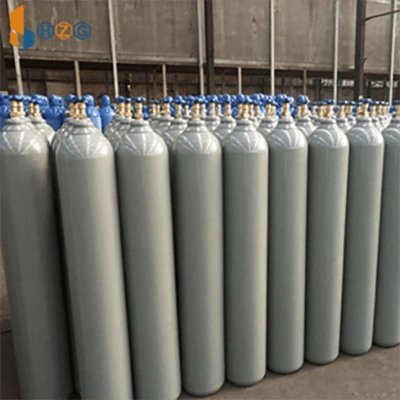
เทคโนโลยีการสร้างไนโตรเจนประเภทต่าง ๆ มีอะไรบ้าง?
ในขณะที่ PSA มีความโดดเด่นไม่ใช่ผู้เล่นเพียงคนเดียวในเมือง โดยทั่วไปมีสองหลัก เทคโนโลยีการสร้างไนโตรเจน: PSA และเทคโนโลยีเมมเบรน การทำความเข้าใจความแตกต่างช่วยในการเลือกสิ่งที่ถูกต้อง ระบบแก๊ส เพื่อสิ่งอำนวยความสะดวกของคุณ เครื่องกำเนิดไนโตรเจนแบบเมมเบรน ทำงานแตกต่างออกไปเล็กน้อย พวกเขาใช้มัดเส้นใยกลวง เมื่ออากาศไหลผ่านเส้นใยเหล่านี้ ออกซิเจนและไอน้ำจะซึมเข้าไปในผนังเส้นใยได้เร็วกว่าไนโตรเจน
เครื่องกำเนิดไนโตรเจนแบบเมมเบรน โดยทั่วไปแล้วจะง่ายกว่าและมีส่วนที่เคลื่อนไหวน้อยกว่า PSA หน่วย อย่างไรก็ตาม โดยปกติแล้วจะเหมาะกว่าสำหรับการใช้งานที่ต่ำกว่า ความบริสุทธิ์ของไนโตรเจน (95% ถึง 99.5%) เป็นที่ยอมรับ หากคุณต้องการก๊าซบริสุทธิ์พิเศษสำหรับปฏิกิริยาเคมีที่ละเอียดอ่อน ไนโตรเจน PSA มักจะเป็นทางเลือกที่ดีกว่า ระบบเมมเบรนเป็นเลิศสำหรับสิ่งต่างๆ เช่น การเติมลมยางหรือการป้องกันอัคคีภัย ซึ่งความบริสุทธิ์ระดับสูงไม่สำคัญ
ทั้งสองอย่าง ประเภทของไนโตรเจน เครื่องกำเนิดไฟฟ้าอนุญาตให้ การสร้างไนโตรเจนในสถานที่. ทางเลือกขึ้นอยู่กับเฉพาะของคุณ ความต้องการไนโตรเจน. หากคุณต้องการความสูง อัตราการไหล และมีความบริสุทธิ์สูงมาก PSA เป็นมาตรฐาน หากคุณต้องการยูนิตที่กะทัดรัดและเงียบเพื่อความต้องการความบริสุทธิ์ที่ต่ำกว่า ระบบเมมเบรนอาจดีที่สุด ในฐานะซัพพลายเออร์ ฉันเห็นแนวโน้มที่โรงงานต่างๆ หันมาใช้มากขึ้น PSA เพราะเทคโนโลยีมีราคาไม่แพงและแข็งแกร่งมาก
เครื่องกำเนิดไนโตรเจนใช้ในอุตสาหกรรมใดบ้าง?
มีการใช้เครื่องกำเนิดไนโตรเจน ในหลากหลายภาคส่วน เพราะว่าไนโตรเจนนั้นเป็น ก๊าซเฉื่อยเหมาะอย่างยิ่งสำหรับการป้องกันการเกิดออกซิเดชันและการเผาไหม้ ผู้ใช้รายใหญ่รายหนึ่งคืออุตสาหกรรมอาหารและเครื่องดื่ม ไนโตรเจนถูกใช้เพื่อแทนที่ออกซิเจนในบรรจุภัณฑ์ ทำให้มันฝรั่งทอดกรอบและป้องกันการเน่าเสีย นี่เป็นตัวอย่างคลาสสิกของวิธีการ ไนโตรเจนช่วยให้มั่นใจได้ คุณภาพของผลิตภัณฑ์
ในภาคอุตสาหกรรมโดยเฉพาะ น้ำมันและก๊าซไนโตรเจนใช้สำหรับการล้างท่อและการทดสอบแรงดัน ป้องกันการระเบิดโดยแทนที่ก๊าซไวไฟ ในการผลิตอุปกรณ์อิเล็กทรอนิกส์ ไนโตรเจนบริสุทธิ์ เป็นสิ่งจำเป็นสำหรับการบัดกรีแผงวงจรเพื่อป้องกันการเกิดออกซิเดชัน ที่ บทบาทของไนโตรเจน เพื่อให้แน่ใจว่ามีการเชื่อมต่อทางไฟฟ้าที่สะอาดและแรง ข้อมูลนี้น่าจะเกี่ยวข้องกับลูกค้าของคุณ Mark ซึ่งขายให้กับบริษัทผู้ผลิต
โรงงานเคมีอีกด้วย พึ่งพาไนโตรเจน. ใช้สำหรับคลุมถังเก็บ ป้องกันไม่ให้สารเคมีระเหยทำปฏิกิริยากับอากาศ เรายังเห็น เครื่องกำเนิดไนโตรเจนเสนอ โซลูชันในการตัดด้วยเลเซอร์ โดยที่ก๊าซจะเป่าโลหะที่หลอมเหลวออกไปเพื่อสร้างการตัดที่สะอาด รายการของ การประยุกต์ไนโตรเจน มีขนาดใหญ่มาก ซึ่งเป็นเหตุผลว่าทำไมจึงต้องรักษาความปลอดภัย ไนโตรเจนที่เชื่อถือได้ แหล่งที่มามีความสำคัญอย่างยิ่งต่อความต่อเนื่องทางธุรกิจ
ระบบสร้างออกซิเจนและไนโตรเจนแตกต่างกันอย่างไร
สิ่งสำคัญคือต้องแยกแยะระหว่าง การสร้างออกซิเจนและไนโตรเจน. แม้ว่าเครื่องจักรจะดูคล้ายกัน แต่เคมีภายในกลับแตกต่างออกไป ก เครื่องกำเนิดไนโตรเจน การใช้งาน ตะแกรงโมเลกุลคาร์บอน เพื่อดักจับออกซิเจนและปล่อยให้ไนโตรเจนผ่านไป ในทางกลับกัน เครื่องกำเนิดออกซิเจน ใช้วัสดุที่เรียกว่า Zeolite Molecular Sieve (ZMS) ZMS ดักจับไนโตรเจนและปล่อยให้ออกซิเจนผ่านไปได้
การสร้างออกซิเจนและไนโตรเจน ระบบทั้งสองพึ่งพา การดูดซับแรงดันสวิง หลักการแต่กลับให้ผลตรงกันข้าม การสร้างออกซิเจน เป็นสิ่งสำคัญสำหรับการใช้งานทางการแพทย์ (ออกซิเจนทางการแพทย์) การบำบัดน้ำเสีย และการเป่าแก้ว การผลิตไนโตรเจน ส่วนใหญ่จะใช้เพื่อการปกป้องและอนุรักษ์ ในโรงงานของฉัน เราจัดการกับทั้งสองอย่าง แต่เราถือว่าทั้งสองเป็นสายผลิตภัณฑ์ที่แตกต่างกันมาก เนื่องจากข้อกำหนดด้านความปลอดภัยสำหรับออกซิเจน (ซึ่งสนับสนุนการเผาไหม้) นั้นเข้มงวดกว่ามาก
เมื่อเราพูดถึงเรื่องหนึ่ง เครื่องกำเนิดออกซิเจนและไนโตรเจนโดยปกติแล้วเราจะพูดถึงเครื่องจักรสองเครื่องที่แยกจากกัน แม้ว่าทั้งสองเครื่องจะใช้เครื่องอัดอากาศร่วมกันก็ตาม การทำความเข้าใจความแตกต่างนี้เป็นสิ่งสำคัญ หากคุณกำลังมองหาระบบจ่ายแก๊สให้กับหัวเชื่อม คุณจำเป็นต้องมีเครื่องกำเนิดออกซิเจน หากคุณต้องการป้องกันเพลิงไหม้ในถังเคมี คุณต้องมี ระบบสร้างไนโตรเจน. ที่ การแยกก๊าซ เทคโนโลยีคล้ายกันแต่การใช้งานและ "หัวใจ" ของเครื่อง (ตะแกรง) ต่างกัน
คุณจะบรรลุระดับความบริสุทธิ์สูงในการผลิตไนโตรเจนได้อย่างไร?
ความบริสุทธิ์คือทุกสิ่ง ในธุรกิจของฉัน เรามักพูดถึง "ห้าเก้า" (99.999%) ถึง ผลิตไนโตรเจน ในระดับนี้ ระบบสร้างไนโตรเจน จะต้องได้รับการปรับแต่งให้สมบูรณ์แบบ ด้วย เครื่องกำเนิดไนโตรเจน PSAความบริสุทธิ์จะถูกกำหนดโดยความเร็วของอากาศที่ผ่านตะแกรง หากคุณชะลออากาศ ตะแกรงจะมีเวลามากขึ้นในการจับโมเลกุลออกซิเจนสุดท้าย ส่งผลให้ ไนโตรเจนที่มีความบริสุทธิ์สูง.
อย่างไรก็ตาม มีการแลกเปลี่ยนกัน ความบริสุทธิ์ที่สูงขึ้นหมายถึงอัตราการไหลที่ลดลง หากต้องการได้ก๊าซมากขึ้นโดยมีความบริสุทธิ์สูง คุณต้องมีเครื่องจักรที่ใหญ่กว่า นี่คือเหตุผลที่กำหนดของคุณ ความบริสุทธิ์ของไนโตรเจน ความต้องการเป็นขั้นตอนแรกในการซื้อ คุณต้องการ 99.999% จริงๆ หรือ 99.9% เพียงพอหรือไม่? สำหรับหลาย ๆ คน งานอุตสาหกรรม,99.9%มีเหลือเฟือ. แต่สำหรับงานในห้องปฏิบัติการหรืออุปกรณ์อิเล็กทรอนิกส์ขั้นสูง คุณต้องการสิ่งที่ดีที่สุด
ทันสมัย เครื่องกำเนิดไนโตรเจนให้ ระบบตรวจสอบขั้นสูง มีเครื่องวิเคราะห์ออกซิเจนที่ตรวจสอบเอาต์พุตอย่างต่อเนื่อง ถ้า ไนโตรเจนบริสุทธิ์ ลดลงต่ำกว่าจุดที่ตั้งไว้ ระบบจะหยุดหรือส่งเสียงเตือนโดยอัตโนมัติ สิ่งนี้ทำให้มั่นใจได้ว่า คุณภาพไนโตรเจน ไม่เคยประนีประนอมการผลิตของคุณ การบรรลุความสม่ำเสมอนี้ยากกว่ามาก เครื่องกำเนิดไนโตรเจนแบบเมมเบรนซึ่งเป็นเหตุผลว่าทำไม PSA เป็นกษัตริย์ที่มีความบริสุทธิ์สูง

เหตุใดจึงเปลี่ยนมาใช้การผลิตก๊าซไนโตรเจนในไซต์งานแทนการใช้กระบอกสูบ
หลายปีที่ผ่านมา ธุรกิจต่างๆ พึ่งพาการจัดซื้อ ถังไนโตรเจน หรือไนโตรเจนเหลวจำนวนมาก รุ่นนี้มีตำหนิ คุณจะต้องจ่ายค่าน้ำมัน ค่าเช่าถัง ค่าธรรมเนียมการจัดส่ง และค่าวัตถุอันตราย นอกจากนี้คุณยังต้องจัดการสินค้าคงคลังด้วย แก๊สหมดก็หยุดการผลิต การสร้างไนโตรเจนในสถานที่ ขจัดปัญหาเหล่านี้
เมื่อคุณติดตั้ง เครื่องกำเนิดก๊าซไนโตรเจนโดยพื้นฐานแล้วคุณคือ ผลิตไนโตรเจนในสถานที่ สำหรับค่าไฟฟ้า ผลตอบแทนจากการลงทุน (ROI) มักจะน้อยกว่า 18 เดือน คุณหยุดจ่ายเงินเพื่อ การส่งมอบไนโตรเจน และเริ่มเป็นเจ้าของโครงสร้างพื้นฐานของคุณ สำหรับนักธุรกิจที่เด็ดขาดเช่น Mark คณิตศาสตร์นี้สมเหตุสมผล ช่วยขจัดความผันผวนของราคาก๊าซออกจากค่าใช้จ่ายในการดำเนินงานของคุณ
นอกจากนี้ การสร้างก๊าซในสถานที่ เป็นสีเขียวมากขึ้น คุณกำจัด การปล่อยก๊าซเรือนกระจก ที่เกี่ยวข้องกับรถบรรทุกส่งของ คุณยังไม่ต้องกังวลเรื่องการระบายแก๊สที่เดือดออกจากถังของเหลวอีกด้วย เครื่องกำเนิดไนโตรเจนในสถานที่ ให้คุณ ไนโตรเจนตามความต้องการ. คุณทำสิ่งที่คุณต้องการเมื่อคุณต้องการมัน เป็นหลักการผลิตแบบลีนที่ใช้กับสาธารณูปโภคของคุณ
ระบบการสร้างสมัยใหม่สำหรับการจ่ายก๊าซอย่างต่อเนื่องมีความน่าเชื่อถือเพียงใด
ข้อกังวลหลักประการหนึ่งที่ Mark อาจมีคือความน่าเชื่อถือ “แล้วถ้าเครื่องพังล่ะ?” ทันสมัย ระบบไนโตรเจน มีความแข็งแกร่งอย่างไม่น่าเชื่อ มีการบำรุงรักษาอย่างดี เครื่องกำเนิดไนโตรเจน PSA สามารถใช้งานได้นานกว่าทศวรรษโดยมีปัญหาน้อยที่สุด เทคโนโลยีได้ครบกำหนดแล้ว การบำรุงรักษาหลักเกี่ยวข้องกับการเปลี่ยนตัวกรองอากาศและการบริการเครื่องอัดอากาศ ซึ่งเป็นงานมาตรฐานสำหรับทีมบำรุงรักษา
เพื่อให้แน่ใจว่าก อุปทานไนโตรเจนที่เชื่อถือได้หลายบริษัทติดตั้งระบบสำรองข้อมูลหรือเก็บถังสำรองไว้เผื่อไว้ อย่างไรก็ตามความน่าเชื่อถือของ การสร้างไนโตรเจนภายในองค์กร โดยทั่วไปแล้วจะเกินกว่าห่วงโซ่อุปทานในการจัดส่ง รถบรรทุกอาจติดขัดในการจราจรหรือล่าช้าเนื่องจากสภาพอากาศ เครื่องกำเนิดไฟฟ้าที่วางบนพื้นโรงงานของคุณจะต้านทานปัจจัยภายนอกเหล่านั้นได้
นอกจากนี้ ระบบแก๊ส วันนี้มาพร้อมกับการตรวจสอบระยะไกล ฉันสามารถดูประสิทธิภาพของเครื่องได้จากโทรศัพท์ของฉัน หากตัวกรองอุดตันหรือแรงดันลดลง ฉันจะได้รับการแจ้งเตือนก่อนที่จะเกิดปัญหา การบำรุงรักษาเชิงคาดการณ์นี้ช่วยให้มั่นใจได้ว่า การจัดหาก๊าซไนโตรเจน ยังคงไม่หยุดชะงัก ความน่าเชื่อถือถูกสร้างขึ้นในการออกแบบสิ่งเหล่านี้ การผลิตไนโตรเจน หน่วย
จะเลือกระบบสร้างไนโตรเจนให้เหมาะกับความต้องการของคุณได้อย่างไร
การเลือกระบบที่เหมาะสมเกี่ยวข้องกับการรู้สามสิ่ง: อัตราการไหล ความดัน และความบริสุทธิ์ ก่อนอื่นคุณต้องการน้ำมันเท่าไหร่? โดยปกติจะวัดเป็นลูกบาศก์เมตรต่อชั่วโมง (Nm3/h) หรือ SCFM ประการที่สอง คุณต้องการแรงกดดันเท่าใด ณ จุดใช้งาน? และประการที่สามอะไร ความบริสุทธิ์ของไนโตรเจน จำเป็น?
หากคุณต้องการ ไนโตรเจนที่มีความบริสุทธิ์สูง สำหรับเครื่องตัดเลเซอร์ ก เครื่องกำเนิดไนโตรเจน PSA คือหนทางที่จะไป หากคุณต้องการความบริสุทธิ์ "ต่ำ" ในการเติมลมยาง ระบบเมมเบรนอาจมีราคาถูกกว่า คุณควรคำนึงถึงสภาพแวดล้อมด้วย พื้นที่มีฝุ่นมากไหม? ร้อนมั้ย? ปัจจัยเหล่านี้ส่งผลต่อการ เครื่องอัดอากาศ และเครื่องกำเนิดไฟฟ้า
การคิดถึงการเติบโตในอนาคตก็เป็นเรื่องฉลาดเช่นกัน มักจะถูกกว่าถ้าซื้อขนาดใหญ่กว่าเล็กน้อย ระบบสร้างไนโตรเจน ตอนนี้กว่าจะอัพเกรดในสองปี ในฐานะซัพพลายเออร์ของ ก๊าซอุตสาหกรรมฉันแนะนำให้ลูกค้าตรวจสอบการใช้งานปัจจุบันของพวกเขาเสมอ ดูค่าใช้จ่ายของคุณสำหรับ ถังไนโตรเจน. คำนวณการใช้งานสูงสุดของคุณ ข้อมูลนี้เป็นรากฐานสำหรับการวัดขนาดของคุณ การสร้างออกซิเจนและไนโตรเจน อุปกรณ์ได้อย่างถูกต้อง
อนาคตของเทคโนโลยีเครื่องกำเนิดออกซิเจนและไนโตรเจนคืออะไร?
อนาคตของ การสร้างออกซิเจนและไนโตรเจน ฉลาดและมีประสิทธิภาพ เราเห็นแนวโน้มไปสู่การประหยัดพลังงานมากขึ้น PSA รอบที่ใช้น้อย อากาศอัด เพื่อผลิตก๊าซในปริมาณเท่ากัน ซึ่งช่วยลดต้นทุนการดำเนินงานให้ดียิ่งขึ้นไปอีก นอกจากนี้ ตะแกรงโมเลกุลคาร์บอน มีการปรับปรุงวัสดุให้มีประสิทธิภาพมากขึ้นที่ การแยกก๊าซ.
เรายังเห็นการบูรณาการที่ดีขึ้นของ ระบบสร้างออกซิเจน และระบบไนโตรเจนเข้าสู่ "Internet of Things" (IoT) เครื่องจักรจะวินิจฉัยตัวเองและสั่งอะไหล่เองด้วย แนวโน้มกำลังเปลี่ยนจากการขายเครื่องจักรไปเป็นการขาย "แก๊สเป็นบริการ" ซึ่งผู้ผลิตจะดูแลรักษาเครื่องจักรและเรียกเก็บเงินสำหรับสภาพพร้อมใช้งาน
สำหรับการค้าโลกมีความต้องการ ออกซิเจนและไนโตรเจน อุปกรณ์กำลังเพิ่มขึ้นในประเทศกำลังพัฒนา เนื่องจากศูนย์กลางการผลิตเติบโตขึ้นในสถานที่อย่างเวียดนามและอินเดีย จึงมีความต้องการ ไนโตรเจนในสถานที่ เพิ่มขึ้น สำหรับผู้ส่งออกเช่นเรา และผู้จัดจำหน่ายเช่น Mark จะต้องก้าวนำหน้าสิ่งเหล่านี้ การสร้างก๊าซ แนวโน้มเป็นสิ่งสำคัญ สร้างไนโตรเจนขึ้นมาเอง กำลังกลายเป็นมาตรฐานไม่ใช่ข้อยกเว้นสำหรับอุตสาหกรรมยุคใหม่
ประเด็นสำคัญ
- ความเป็นอิสระ: A เครื่องกำเนิดไนโตรเจน ช่วยให้คุณผลิตก๊าซของคุณเอง ทำให้คุณพ้นจากสัญญาของซัพพลายเออร์และความล่าช้าในการจัดส่ง
- ประหยัดต้นทุน: การสร้างไนโตรเจนที่ไซต์งาน ราคาถูกกว่ามากในระยะยาวเมื่อเทียบกับการซื้อ ถังไนโตรเจน หรือไนโตรเจนเหลว
- เทคโนโลยี: เครื่องกำเนิดไนโตรเจน PSA ใช้ ตะแกรงโมเลกุลคาร์บอน เพื่อแยกก๊าซและเหมาะสำหรับการใช้งานที่มีความบริสุทธิ์สูง เครื่องกำเนิดไนโตรเจนแบบเมมเบรน เหมาะสำหรับความต้องการความบริสุทธิ์ที่ต่ำกว่า
- ความเก่งกาจ: มีการใช้เครื่องกำเนิดไนโตรเจน ในอุตสาหกรรมที่หลากหลายตั้งแต่ น้ำมันและก๊าซ ไปจนถึงบรรจุภัณฑ์อาหารและอิเล็กทรอนิกส์
- ความแตกต่าง: อ เครื่องกำเนิดออกซิเจนและไนโตรเจน เป็นเครื่องจักรที่แตกต่างกัน เครื่องกำเนิดออกซิเจน ใช้ซีโอไลต์ ในขณะที่ระบบไนโตรเจนใช้ตะแกรงคาร์บอน
- ความน่าเชื่อถือ: ทันสมัย ระบบแก๊ส มีความน่าเชื่อถือสูงและต้องการการบำรุงรักษาที่ได้มาตรฐานมีความสม่ำเสมอมากขึ้น อุปทานไนโตรเจน กว่าการส่งก๊าซ
- การเลือก: ปัจจัยสำคัญในการเลือกระบบคือ อัตราการไหล ความดัน และความต้องการ ความบริสุทธิ์ของไนโตรเจน.
ด้วยการทำความเข้าใจระบบเหล่านี้ คุณสามารถทำการตัดสินใจโดยอาศัยข้อมูลซึ่งจะช่วยเพิ่มประสิทธิภาพและลดต้นทุนได้ ไม่ว่าคุณกำลังมองหา แก๊สทางการแพทย์ โซลูชันหรือการตั้งค่าทางอุตสาหกรรม การเปลี่ยนไปสู่การผลิตที่ไซต์งานถือเป็นการก้าวไปสู่อนาคต