วิธีเลือกถังแก๊สอุตสาหกรรมที่เหมาะสมสำหรับโครงการเชื่อมครั้งต่อไปของคุณ
ยินดีต้อนรับสู่โลกแห่งการผลิตทางอุตสาหกรรม เราส่งออกก๊าซที่มีความบริสุทธิ์สูงไปยังสหรัฐอเมริกา ยุโรป และที่อื่นๆ ฉันเขียนบทความนี้เพราะฉันรู้ว่าสำหรับเจ้าของธุรกิจเช่นคุณ บางทีอาจต้องจัดการทีมจัดซื้อหรือยุ่งวุ่นวาย ร้านเชื่อม—เวลาคือเงิน การเลือกแก๊สเชื่อมที่เหมาะสม ไม่ใช่แค่รายละเอียดทางเทคนิคเท่านั้น เป็นการตัดสินใจทางธุรกิจที่ส่งผลต่อคุณ คุณภาพการเชื่อมความเร็วในการผลิต และผลกำไรของคุณ
ในคู่มือนี้ เราจะตัดเสียงรบกวนออกไป เราจะสำรวจวิธีการ เลือกทางขวา ถังแก๊ส ตามความต้องการเฉพาะของคุณ ไม่ว่าคุณกำลังเผชิญอยู่ก็ตาม การเชื่อมมิก, การเชื่อมทิกหรือมาตรฐาน เหล็ก การประดิษฐ์ เราจะมาดูว่าทำไม. แก๊สที่ถูกต้อง เรื่องสำหรับ ทุกการเชื่อม งานและวิธีการ แก๊สที่ถูกต้อง สามารถช่วยคุณประหยัดจากการทำงานซ้ำที่มีค่าใช้จ่ายสูง นอกจากนี้เรายังจะหารือเกี่ยวกับการขนส่งของ การจัดหาก๊าซจากซิงเกิล ถังแก๊ส ถึง การส่งมอบก๊าซจำนวนมากและวิธีการค้นหาพันธมิตรที่เข้าใจถึงความสำคัญของการรับรองและความบริสุทธิ์ นี่คือแผนงานของคุณในการค้นหา ก๊าซที่เหมาะสมสำหรับ MIG และการใช้งานอื่นๆ ให้คุณมั่นใจ โครงการเชื่อม คือความสำเร็จ
เหตุใดการเลือกแก๊สป้องกันที่เหมาะสมจึงมีความสำคัญต่อคุณภาพการเชื่อม
ลองนึกภาพคุณกำลังอบเค้ก แต่คุณใช้เกลือแทนน้ำตาล ส่วนผสมดูเหมือนกันแต่ผลลัพธ์กลับพัง ตรรกะเดียวกันนี้ใช้เมื่อคุณ เลือกสิ่งที่ถูกต้อง ป้องกันก๊าซ. ใน การเชื่อมอาร์คบรรยากาศรอบตัวเรา—เต็มไปด้วยออกซิเจนและไนโตรเจน—เป็นศัตรูของโลหะหลอมเหลว หากอากาศสัมผัสกับความร้อน เชื่อม ทำให้เกิดฟอง (พรุน) และจุดอ่อน ที่ ป้องกันก๊าซ ทำหน้าที่เสมือนผ้าห่มปกป้อง เชื่อม จากอากาศ
ใช้ผิด แก๊ส ทำให้เกิดการกระเด็นซึ่งเลอะเทอะและต้องบดเป็นพิเศษ นอกจากนี้ยังสามารถทำให้เกิด เชื่อม ที่จะแตก สำหรับเจ้าของธุรกิจอย่าง Mark นี่หมายถึงการเสียเวลาและพลาดกำหนดเวลา เมื่อคุณเลือก แก๊สที่ถูกต้องส่วนโค้งมีความเสถียร แอ่งน้ำไหลได้อย่างราบรื่น และลูกปัดดูเป็นมืออาชีพ ที่ การเชื่อมที่ถูกต้อง แก๊สช่วยให้มั่นใจได้ว่าฟิวส์โลหะแข็งแรงและสะอาด
ใน ก๊าซอุตสาหกรรม โลกเราเห็นสิ่งนี้บ่อยครั้ง ลูกค้าอาจลองประหยัดเงินโดยใช้ราคาถูกกว่าไม่ถูกต้อง ส่วนผสมของแก๊สเพียงเพื่อใช้จ่ายสองเท่าในการแก้ไขข้อผิดพลาดด้านแรงงาน คุณภาพการเชื่อม ไม่ใช่แค่เกี่ยวกับทักษะของ ช่างเชื่อม; มันขึ้นอยู่กับ การจัดหาก๊าซ. มีความมั่นคง แก๊ส กระแสสร้างความมั่นคง การเชื่อม.
ข้อกำหนดการเชื่อม MIG และก๊าซเชื่อม TIG แตกต่างกันอย่างไร?
การเชื่อมมิก (โลหะก๊าซเฉื่อย) และ ทีไอจี (ทังสเตนก๊าซเฉื่อย) มี 2 วิธีที่พบบ่อยที่สุดที่เราเห็นในก ร้านเชื่อม. พวกเขามีความอยากที่แตกต่างกันมาก แก๊ส. การเชื่อมทิก เป็นศิลปินของ กระบวนการเชื่อม. ต้องใช้ส่วนโค้งที่เสถียรและสะอาดมาก ดังนั้นจึงใช้ก๊าซเฉื่อยเกือบทั้งหมดเท่านั้น ก๊าซอาร์กอน เป็นมาตรฐานของที่นี่ มันไม่ทำปฏิกิริยากับโลหะเลย ทำให้อิเล็กโทรดทังสเตนสะอาด
การเชื่อมมิกในทางกลับกัน เป็นตัวขับเคลื่อนของความเร็ว ในขณะที่มันสามารถใช้ความเฉื่อยบริสุทธิ์ได้ แก๊ส สำหรับอะลูมิเนียม มักจะต้องมีการ "เตะ" เพื่อ เหล็ก. เราใช้ "ใช้งานอยู่" ส่วนผสมของก๊าซ สำหรับ การเชื่อมมิก. ซึ่งโดยปกติหมายถึงการเติมคาร์บอนไดออกไซด์ (CO2) หรือออกซิเจนเข้าไปเล็กน้อย อาร์กอน. ส่วนผสมนี้ช่วยกัดเข้าไปในโลหะและทำให้ส่วนโค้งคงที่ นี่คือเหตุผล การเลือกแก๊สเชื่อมที่เหมาะสม ขึ้นอยู่กับทั้งหมด ประเภทของการเชื่อม เครื่องที่คุณใช้อยู่
ถ้าคุณใช้ก ก๊าซที่ใช้ สำหรับ MIG ในเครื่อง TIG คุณจะเผาอิเล็กโทรดของคุณทันที ถ้าใช้เพียว อาร์กอน สำหรับ การเชื่อมมิก บน เหล็ก, ที่ เชื่อม อาจจะอ่อนแอและสูง การทำความเข้าใจสิ่งเหล่านี้ การเชื่อมประเภทต่างๆ และความต้องการของพวกเขาคือก้าวแรกในการ การเลือกก๊าซ กระบวนการ
อาร์กอนบริสุทธิ์กับส่วนผสมของแก๊ส: คุณควรเลือกอันไหน
อาร์กอน เป็นกษัตริย์ของ ป้องกันก๊าซ. มีมากมายและใช้งานได้ดีกับหลายสิ่งหลายอย่าง สำหรับ การเชื่อมทิก หรือเชื่อมอลูมิเนียม 100% อาร์กอน มักจะเป็น แก๊สที่ถูกต้อง. ให้การทำความสะอาดที่ดีเยี่ยมและส่วนโค้งที่มั่นคง ในโรงงานของฉัน เราผลิตสินค้าจำนวนมหาศาล อาร์กอน เพราะมันอเนกประสงค์มาก
อย่างไรก็ตามสำหรับ การเชื่อมอาร์กโลหะแก๊ส (MIG) เปิดอยู่ เหล็กบริสุทธิ์ อาร์กอน อาจเป็นเรื่องยุ่งยาก อาจทำให้เกิดรอยบาดที่ขอบได้ เชื่อม. นี่คือที่ ส่วนผสมของก๊าซ เข้ามาโดยการผสม อาร์กอน ด้วย CO2 เราจึงสร้างส่วนผสมที่สมบูรณ์แบบสำหรับ การผลิตเหล็ก. มากที่สุด ก๊าซทั่วไปที่ใช้ เป็นส่วนผสมอาร์กอน 75% / CO2 25% ซึ่งมักเรียกว่า "C25"
ทำไม เลือกก๊าซที่เหมาะสม ผสม? เพราะมันทำให้คุณได้รับสิ่งที่ดีที่สุดจากทั้งสองโลก ที่ อาร์กอน ช่วยให้การกระเด็นต่ำ ในขณะที่ CO2 ช่วยให้เจาะเข้าไปในโลหะได้ดี นอกจากนี้ยังมีไตรมิกซ์ที่ประกอบด้วย ฮีเลียม, อาร์กอนและ CO2 สำหรับสแตนเลส ที่ ประเภทของก๊าซ ที่คุณซื้อขึ้นอยู่กับการค้นหาจุดที่น่าสนใจระหว่างต้นทุนและประสิทธิภาพ
วัสดุฐาน เช่น เหล็กเหนียวหรืออะลูมิเนียม ส่งผลต่อการเลือกใช้แก๊สอย่างไร
วัสดุที่คุณกำลังเชื่อมเป็นตัวกำหนด แก๊ส คุณต้องการ. หากคุณกำลังทำงานร่วมกับ เหล็กอ่อนคุณมีทางเลือก คุณสามารถใช้ CO2 100% ซึ่งมีราคาถูกและให้การเจาะลึก แต่ทำให้เกิดการกระเด็นจำนวนมาก หรือคุณสามารถใช้ อาร์กอน ผสมผสานเพื่อความสวยงามและสะอาดยิ่งขึ้น เชื่อม. สำหรับ การใช้งานเชื่อม เกี่ยวกับชิ้นส่วนรถยนต์หรือคานโครงสร้าง เหล็กอ่อน เป็นวัสดุที่พบมากที่สุด
อลูมิเนียมเป็นสัตว์ร้ายที่แตกต่าง คุณไม่สามารถใช้ CO2 กับอะลูมิเนียมได้ มันจะทำลาย. เชื่อม มีเขม่าดำและความพรุน สำหรับอะลูมิเนียม การเชื่อมมิก หรือ ทีไอจีคุณต้องใช้ความเฉื่อย แก๊ส เหมือนบริสุทธิ์ อาร์กอน หรือ อาร์กอน/ฮีเลียม ผสม ก๊าซฮีเลียม เผาไหม้ร้อนกว่าซึ่งช่วยในเรื่องอลูมิเนียมหนา
สแตนเลส เหล็ก เป็นอีกหนึ่งความท้าทาย จำเป็นต้องคงความทนทานต่อการกัดกร่อน มีมาตรฐาน ส่วนผสมของแก๊ส อาจทำลายคุณสมบัติของสเตนเลสได้ เรามักจะแนะนำ "ไตรมิกซ์" ที่ประกอบด้วยปริมาณเล็กน้อย ฮีเลียม หรือแม้แต่ก๊าซที่ออกฤทธิ์เล็กน้อยเพื่อช่วยให้แอ่งน้ำไหลโดยไม่ทำลายเคมีของโลหะ ดังนั้นเมื่อคุณมองดูของคุณ โครงการเชื่อมให้ดูที่โลหะก่อน นั่นบอกคุณว่า. ประเภทแก๊ส สั่งซื้อ
| วัสดุ | กระบวนการ | แนะนำแก๊ส | ลักษณะ |
|---|---|---|---|
| เหล็กอ่อน | มิก | อาร์กอน 75% / คาร์บอนไดออกไซด์ 25% | โปรยลงมาต่ำ, รูปลักษณ์ที่ดี |
| เหล็กอ่อน | มิก | คาร์บอนไดออกไซด์ 100% | เจาะลึก โปรยลงมาสูง ต้นทุนต่ำ |
| อลูมิเนียม | ทิก/มิก | อาร์กอน 100% | เชื่อมสะอาด อาร์คมั่นคง |
| อะลูมิเนียม (หนา) | มิก | อาร์กอน/ฮีเลียมผสม | ส่วนโค้งที่ร้อนกว่า ฟิวชั่นที่ดีกว่า |
| สแตนเลส | มิก | ไตรมิกซ์ (He/Ar/CO2) | รักษาความต้านทานการกัดกร่อน |
ตัวเลือกก๊าซป้องกันที่ดีที่สุดสำหรับการใช้งานการเชื่อม MIG คืออะไร?
สำหรับ การเชื่อมมิกด้วยเหตุผลบางประการ ส่วนผสม "C25" (อาร์กอน 75%, CO2 25%) ถือเป็นมาตรฐานอุตสาหกรรม มันคือ "โกลด์ดิล็อคส์" แก๊ส. ใช้งานได้ดีกับแผ่นโลหะบางและแผ่นหนา ลดเวลาในการทำความสะอาดซึ่งช่วยลดต้นทุนค่าแรง ถ้าคุณวิ่งก ร้านเชื่อมนี่ก็น่าจะเป็น ถังแก๊ส คุณจะเปลี่ยนบ่อยที่สุด
อย่างไรก็ตามสำหรับมาก เหล็กหนา, CO2 บริสุทธิ์เป็นตัวเลือกที่ถูกต้อง มันร้อนขึ้นและขุดลึกลงไป หากรูปลักษณ์ภายนอกไม่สำคัญมากนักและคุณจำเป็นต้องทำ เชื่อม อุปกรณ์ฟาร์มหนัก CO2 มีประสิทธิภาพ แต่ต้องระวัง: ส่วนโค้งนั้นรุนแรงกว่า
อีกทางเลือกหนึ่งสำหรับ การถ่ายโอนสเปรย์ MIG (วิธีความเร็วสูง) เป็นส่วนผสมที่มี CO2 น้อยกว่า เช่น อาร์กอน 90% และ CO2 10% ช่วยให้เดินทางได้เร็วมากและแทบไม่มีเศษกระเด็นเลย การเลือกก๊าซป้องกันที่เหมาะสม สำหรับ MIG นั้นเกี่ยวกับความสมดุลของความเร็ว ลักษณะ และความหนาของโลหะ ถามคุณเสมอ ผู้จำหน่ายก๊าซ เพื่อขอคำแนะนำที่ดีที่สุด ก๊าซสำหรับการเชื่อม MIG ของคุณ การตั้งค่า
เมื่อใดที่คุณควรใช้ก๊าซชนิดพิเศษ เช่น ฮีเลียมหรือไนโตรเจนในการเชื่อมอาร์ค
บางครั้งก็ได้มาตรฐาน ส่วนผสมของก๊าซ ยังไม่เพียงพอ ฮีเลียม คือ ก๊าซมีตระกูล ที่นำความร้อนได้ดีมาก การเพิ่ม ฮีเลียม ถึง อาร์กอน ส่วนผสมทำให้ส่วนโค้งร้อนขึ้นมาก วิธีนี้เหมาะอย่างยิ่งสำหรับการเชื่อมอลูมิเนียมหรือทองแดงที่มีความหนามาก โดยที่โลหะจะดูดความร้อนออกไปอย่างรวดเร็ว ฮีเลียม ช่วยให้คุณทำงานเสร็จเร็วขึ้น
ไนโตรเจน เป็นอีกหนึ่งผู้เล่นที่น่าสนใจ ในขณะที่มักจะหลีกเลี่ยงใน เหล็ก, ก๊าซไนโตรเจน บางครั้งก็มีการเพิ่มเข้าไปด้วย ป้องกันก๊าซ สำหรับสเตนเลสเกรดเฉพาะ (เหล็กดูเพล็กซ์) ช่วยปรับปรุงความต้านทานการกัดกร่อน ในยุโรปเราก็เห็นเช่นกัน ไนโตรเจน ใช้เป็นแก๊สสำรองเพื่อป้องกันด้านหลังของท่อ เชื่อม.
อย่างไรก็ตามสิ่งเหล่านี้ ก๊าซชนิดพิเศษ ตัวเลือกมีราคาแพงกว่า ก๊าซฮีเลียม ราคามีความผันผวน ไนโตรเจน ราคาถูกกว่าแต่มีการใช้งานจำกัด การเชื่อมอาร์ค. คุณควรเท่านั้น เลือกทางขวา พิเศษ แก๊ส ถ้าคุณเฉพาะเจาะจง ข้อกำหนดในการเชื่อม เรียกร้องมัน ใช้ของแพง ฮีเลียม บนพื้นฐาน เหล็กอ่อน คือการเสียเงิน
ถังบรรจุกับการจัดส่งก๊าซปริมาณมาก: วิธีการจ่ายแบบใดที่เหมาะกับธุรกิจของคุณ
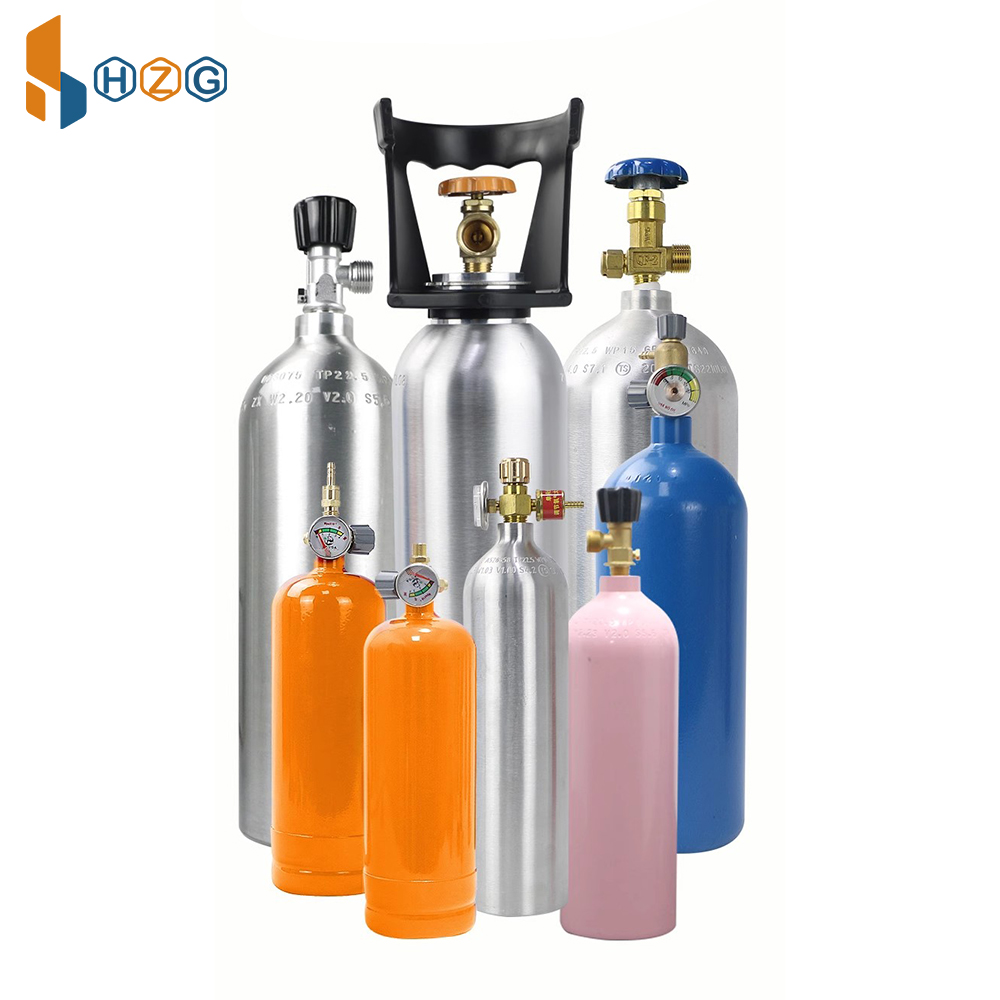
นี่เป็นคำถามด้านลอจิสติกส์ที่ใกล้บ้านสำหรับ Mark เมื่อไหร่คุณจะเลิกซื้อกระบอกสูบเดี่ยวและเปลี่ยนไปใช้ถังขนาดใหญ่? ถ้าคุณ ร้านเชื่อม ใช้หนึ่งหรือสอง ถังแก๊ส ต่อสัปดาห์ การยึดรถถังแต่ละคันเป็นเรื่องปกติ มีความยืดหยุ่นและไม่จำเป็นต้องติดตั้งเป็นพิเศษ คุณเพียงแค่ต้องมีสถานที่ที่ปลอดภัยในการจัดเก็บ กระบอก.
แต่ถ้าคุณมีหลายอย่าง เครื่องเชื่อม ทำงานทั้งวัน การเปลี่ยนกระบอกสูบทำให้ประสิทธิภาพการทำงานลดลง ทุกครั้ง ก ช่างเชื่อม หยุดเพื่อเปลี่ยน ถังแก๊ส,หยุดการผลิต. ในกรณีนี้ การส่งมอบก๊าซจำนวนมาก คือคำตอบ เราติดตั้งถังของเหลวขนาดใหญ่ (ปริมาณขนาดเล็ก) นอกสถานที่ มีรถบรรทุกมาเติมเหมือนเติมน้ำมันรถ
ซึ่งจะทำให้มั่นใจได้อย่างต่อเนื่อง การจัดหาก๊าซ. คุณไม่เคยหมดกลางงาน นอกจากนี้ยังช่วยลดความเสี่ยงในการจัดการกับกระบอกสูบแรงดันสูงอีกด้วย แม้ว่าค่าใช้จ่ายล่วงหน้าจะสูงกว่าก็ตาม ต้นทุนของก๊าซ ต่อลูกบาศก์ฟุตมักจะต่ำกว่า กำลังวิเคราะห์ของคุณ การส่งก๊าซ ความต้องการเป็นกุญแจสำคัญในการขยายธุรกิจของคุณอย่างมีประสิทธิภาพ
จะสังเกตผู้จำหน่ายก๊าซอุตสาหกรรมที่เชื่อถือได้และหลีกเลี่ยงการฉ้อโกงกระบอกสูบได้อย่างไร
ฉันรู้ว่านี่เป็นจุดที่เจ็บปวดอย่างมาก คุณซื้อก ถังแก๊ส ติดป้ายกำกับว่า "อาร์กอนบริสุทธิ์ 99.9%" แต่รอยเชื่อมของคุณสกปรก หรือแย่กว่านั้นคือเอกสารเป็นของปลอม การฉ้อโกงใบรับรองเป็นครั้งคราวเป็นปัญหาที่แท้จริงในตลาดโลก ถึง เลือกสิ่งที่ดีที่สุด คุณต้องมองข้ามป้ายราคา
มีความน่าเชื่อถือ ผู้จำหน่ายก๊าซอุตสาหกรรม ควรมีความโปร่งใส ขอใบรับรอง ISO ของพวกเขา ถามเกี่ยวกับพวกเขา การผลิตก๊าซ ไลน์—มีโรงงานเป็นของตัวเองหรือเป็นแค่พ่อค้าคนกลาง? ที่โรงงานของเรา เรามีเจ็ดบรรทัดและการควบคุมคุณภาพอย่างเข้มงวด เราตรวจสอบความบริสุทธิ์ของทุกชุด ก๊าซอุตสาหกรรม ก่อนที่มันจะออกจากท่าเรือ
ตรวจสอบสภาพร่างกายของ กระบอก. ซัพพลายเออร์ที่มีชื่อเสียงจะดูแลรักษาฝูงบินของตน ถังที่เป็นสนิมและมีรอยบุบถือเป็นสัญญาณที่ไม่ดี ดูการสื่อสารของพวกเขาด้วย พวกเขาตอบคำถามเกี่ยวกับ การรวมกันของก๊าซ หรือ เสถียรภาพส่วนโค้ง? พันธมิตรที่ช่วยเหลือคุณ เลือกทางขวา สินค้ามีค่าดั่งทองคำ อย่าเสี่ยงต่อชื่อเสียงของคุณกับซัพพลายเออร์ที่ตัดมุม
ปัจจัยใดที่มีอิทธิพลต่อต้นทุนก๊าซและผลกำไรของคุณ?
ราคาของ ก๊าซเชื่อม ไม่ใช่แค่ราคาสติ๊กเกอร์ในใบแจ้งหนี้เท่านั้น คุณต้องคำนึงถึง "ต้นทุนรวมในการเป็นเจ้าของ" CO2 บริสุทธิ์มีราคาถูกที่สุด ก๊าซที่จะใช้. แต่หากช่างเชื่อมของคุณใช้เวลา 30 นาทีในการบดส่วนที่กระเด็นออกทุกส่วน คุณจะสูญเสียเงินไปกับค่าแรง อ อาร์กอน การผสมผสานมีค่าใช้จ่ายล่วงหน้ามากกว่า แต่สร้างความสะอาด เชื่อม ที่พร้อมทาสีได้ทันที
ขนาดของ กระบอก เรื่องเช่นกัน การซื้อถังขนาดเล็กจะมีราคาแพงต่อลูกบาศก์ฟุตมากกว่าการซื้อถังขนาดใหญ่ แก๊สรั่ว เป็นอีกต้นทุนที่ซ่อนอยู่ ท่อหรือตัวควบคุมที่รั่วอาจทำให้ถังของคุณเสียไปครึ่งหนึ่งในชั่วข้ามคืน ตรวจสอบของคุณเป็นประจำ ถังแก๊ส และอุปกรณ์ก็เป็นสิ่งจำเป็น
ห่วงโซ่อุปทานทั่วโลกก็ส่งผลกระทบต่อราคาเช่นกัน ฮีเลียม เป็นทรัพยากรที่มีจำกัด ราคาจึงสามารถพุ่งสูงขึ้นได้ อาร์กอน และ ไนโตรเจน ผลิตจากอากาศจึงมีความเสถียรมากกว่า การทำความเข้าใจปัจจัยเหล่านี้ช่วยให้คุณจัดงบประมาณสำหรับงบประมาณของคุณได้ อุปกรณ์เชื่อม. บางครั้งการใช้จ่ายเพิ่มเติมเล็กน้อยกับ ก๊าซป้องกันด้านขวา ช่วยคุณประหยัดเงินได้หลายพันในระยะยาว
คุณพร้อมหรือยังที่จะเลือกพันธมิตรด้านก๊าซที่ดีที่สุดสำหรับกระบวนการทางอุตสาหกรรมของคุณ?
การเลือกแก๊สเชื่อมที่เหมาะสม เป็นมากกว่าแค่เคมี มันเกี่ยวกับการเป็นหุ้นส่วน คุณต้องมี พันธมิตรก๊าซ ที่เข้าใจรูปแบบธุรกิจของคุณของคุณ การใช้งานเชื่อมและความต้องการความน่าเชื่อถือของคุณ ไม่ว่าคุณจะทำ การเชื่อมไฟฟ้าลัดวงจร บนตัวรถหรือสเปรย์ฉีดบนคานหนัก แก๊ส คือส่วนสำคัญของกระบวนการ
ในขณะที่คุณค้นหาซัพพลายเออร์ อย่าลืมตรวจสอบข้อมูลประจำตัวของพวกเขา มองหาความยืดหยุ่นใน การส่งก๊าซ. ตรวจสอบให้แน่ใจว่าพวกเขามีความรู้ทางเทคนิคที่จะแนะนำคุณ การเลือกก๊าซป้องกัน. การเชื่อมสำเร็จ ต้องใช้ความพยายามเป็นทีมระหว่างช่างเชื่อม เครื่องจักร และ ผู้จำหน่ายก๊าซ.
เราเข้าใจถึงความท้าทายของการค้าระหว่างประเทศ ความกลัวว่าการขนส่งจะล่าช้า และความจำเป็นในการตรวจสอบคุณภาพ ด้วยการให้ความรู้ตัวเองในเรื่อง ก๊าซที่แตกต่างกัน ตัวเลือก—จาก ก๊าซอะเซทิลีน เพื่อการตัดให้มีความบริสุทธิ์สูง อาร์กอน สำหรับ TIG—คุณเสริมศักยภาพธุรกิจของคุณในการตัดสินใจอย่างชาญฉลาดและให้ผลกำไรมากขึ้น ที่ อุปทานที่เหมาะสม อยู่ข้างนอกนั่น คุณเพียงแค่ต้องรู้ว่าจะมองหาอะไร
ประเด็นสำคัญ
- ผลกระทบต่อคุณภาพ: ที่ ก๊าซป้องกันด้านขวา ทำหน้าที่เป็นเกราะป้องกันอากาศ การเลือกอันที่ไม่ถูกต้องทำให้เกิดความพรุน สะเก็ดเงิน และรอยเชื่อมที่อ่อนแอ
- เรื่องของกระบวนการ: การเชื่อมทิก ต้องเฉื่อย แก๊ส เหมือนบริสุทธิ์ อาร์กอนในขณะที่ การเชื่อมมิก โดยทั่วไปจะต้องมีการใช้งาน ส่วนผสมของก๊าซ (เช่น อาร์กอน/CO2) สำหรับ เหล็ก.
- วัสดุกำหนดแก๊ส: ใช้อาร์กอน/CO2 สำหรับ เหล็กอ่อนแต่ไม่เคยสำหรับอลูมิเนียม อลูมิเนียมต้องใช้ส่วนผสมอาร์กอนหรือฮีเลียมบริสุทธิ์เพื่อหลีกเลี่ยงข้อบกพร่อง
- มิกซ์กับเพียว: สำหรับ MIG บนเหล็กกล้า ส่วนผสม 75/25 Argon/CO2 (C25) ให้ความสมดุลระหว่างลักษณะการเชื่อมและการควบคุมที่ดีที่สุด เมื่อเทียบกับ CO2 บริสุทธิ์
- ห่วงโซ่อุปทาน: สำหรับร้านค้าที่มีปริมาณมากเปลี่ยนจากรายบุคคล ถังแก๊ส ถึง การส่งมอบก๊าซจำนวนมาก สามารถลดการหยุดทำงานและต้นทุนได้อย่างมาก
- ความน่าเชื่อถือของซัพพลายเออร์: ตรวจสอบใบรับรองและสภาพถังเพื่อหลีกเลี่ยงการฉ้อโกง ราคาถูก ผู้จำหน่ายก๊าซ อาจทำให้คุณเสียค่าใช้จ่ายมากขึ้นในการเชื่อมที่ไม่ดีและสูญเสียการผลิต