
การบรรลุความบริสุทธิ์สูงเป็นพิเศษ: วิธีปฏิบัติที่ดีที่สุดสำหรับห่วงโซ่อุปทานไนโตรเจนและก๊าซอุตสาหกรรม
ในโลกของการผลิตทางอุตสาหกรรม องค์ประกอบที่มองไม่เห็นมักมีน้ำหนักมากที่สุด ในฐานะเจ้าของโรงงานก๊าซที่มีสายการผลิตเจ็ดแห่งในประเทศจีน ฉันและอัลเลนต้องรับมือกับองค์ประกอบที่มองไม่เห็นเหล่านี้ทุกวัน ฉันรู้ว่าสำหรับผู้นำธุรกิจเช่นคุณ มาร์ค กำลังจัดหาวัตถุดิบ ก๊าซอุตสาหกรรม ไม่ใช่แค่การเติมน้ำมันให้เต็มถังเท่านั้น มันเกี่ยวกับการเติมเชื้อเพลิงให้กับธุรกิจ ไม่ว่าคุณจะจัดหาคลินิกการแพทย์หรือห้องปฏิบัติการวิจัยที่มีเทคโนโลยีสูงคุณภาพของ แก๊ส กำหนดคุณภาพของผลลัพธ์สุดท้าย
บทความนี้ควรค่าแก่การอ่านเพราะมันเจาะลึกเข้าไปในโลกที่มองไม่เห็นของ ความบริสุทธิ์ของก๊าซ. เราจะสำรวจว่าทำไม เรื่องความบริสุทธิ์อย่างไร ก๊าซมีความบริสุทธิ์สูง ถูกผลิตขึ้นมา และที่สำคัญที่สุดคือจะรักษาคุณภาพนั้นได้อย่างไร ตลอดห่วงโซ่อุปทาน. เราจะมาดูกัน ไนโตรเจนที่ทำงานของอุตสาหกรรมและหารือเกี่ยวกับ แนวทางปฏิบัติที่ดีที่สุด เพื่อให้มั่นใจว่าสิ่งที่คุณซื้อคือสิ่งที่คุณได้รับอย่างแน่นอน จาก เครื่องกำเนิดไนโตรเจน สู่รอบชิงชนะเลิศ ระบบการจัดส่งเราจะครอบคลุมขั้นตอนสำคัญเพื่อปกป้องการลงทุนและชื่อเสียงของคุณ
เหตุใดความบริสุทธิ์ของก๊าซจึงมีความสำคัญอย่างมากในอุตสาหกรรมสมัยใหม่
ลองนึกภาพฝุ่นเล็กๆ ที่ทำลายภาพวาด ทีนี้ ลองจินตนาการถึงอนุภาคขนาดเล็กจิ๋วที่ทำลายการผลิตมูลค่าหลายล้านดอลลาร์ นี่คือความจริงในหลายภาคส่วนในปัจจุบัน เรื่องความบริสุทธิ์ เพราะเครื่องจักรและกระบวนการสมัยใหม่มีความละเอียดอ่อนอย่างไม่น่าเชื่อ ก สารปนเปื้อน ใน กระแสก๊าซ อาจทำให้ปฏิกิริยาเคมีล้มเหลว เลเซอร์ตัดได้ไม่ดี หรืออาหารเน่าเสียเร็วขึ้น
จากประสบการณ์ของผมในการส่งออกไปยังสหรัฐอเมริกาและยุโรป ผมพบว่าลูกค้ามักให้ความสำคัญกับราคา แต่ต้นทุนของ "ไม่ดี" แก๊ส" ย่อมสูงกว่าราคาของเสมอ ก๊าซมีความบริสุทธิ์สูง. ถ้าก แก๊ส มีความชื้นหรือออกซิเจนในส่วนที่ไม่ควรกัดกร่อนอุปกรณ์ได้ สิ่งนี้นำไปสู่การหยุดทำงาน สำหรับเจ้าของธุรกิจที่เด็ดขาดเช่น Mark การหยุดทำงานคือศัตรู มันทำลายประสิทธิภาพและกินผลกำไร
นอกจากนี้ความปลอดภัยไม่สามารถต่อรองได้ ในการใช้งานทางการแพทย์ สิ่งเจือปน ไม่ใช่แค่การสร้างความรำคาญเท่านั้น มันเป็นความเสี่ยงต่อสุขภาพ ในอุตสาหกรรมเคมีผิด องค์ประกอบของก๊าซ สามารถสร้างแรงกดดันที่เป็นอันตรายได้ ดังนั้นความมั่นใจ ความบริสุทธิ์ของก๊าซ ไม่ใช่แค่ข้อกำหนดทางเทคนิคเท่านั้น มันเป็นระเบียบปฏิบัติด้านความปลอดภัยขั้นพื้นฐาน ช่วยปกป้องพนักงาน ทรัพย์สิน และลูกค้าของคุณ
อะไรเป็นตัวกำหนด "ความบริสุทธิ์สูง" ในอุตสาหกรรมก๊าซอย่างแน่นอน
เรามักจะพูดถึงคำว่า "บริสุทธิ์" แต่ใน อุตสาหกรรมก๊าซความบริสุทธิ์คือเกมตัวเลข เราวัดมันเป็น "เก้า" เช่น มาตรฐาน ไนโตรเจนอุตสาหกรรม อาจบริสุทธิ์ถึง 99.9% ฟังดูสูง แต่หมายความว่า 0.1% ของก๊าซเป็นอย่างอื่น ซึ่งมักจะเป็นออกซิเจนหรือความชื้น วิธีนี้ใช้ได้ดีสำหรับการเติมลมยาง แต่ไม่ใช่สำหรับอุปกรณ์อิเล็กทรอนิกส์ที่มีความละเอียดอ่อน
ก๊าซมีความบริสุทธิ์สูง โดยทั่วไปจะเริ่มต้นที่ 99.999% (ห้าเก้า) มีความบริสุทธิ์สูงเป็นพิเศษ (UHP) สูงขึ้นอีกเป็น 99.9999% (หกเก้า) ในระดับนี้ เราหยุดพูดถึงเปอร์เซ็นต์ และเริ่มพูดถึงส่วนในล้านส่วน (ppm) หรือส่วนในพันล้านส่วน (ppb) ก ก๊าซมีความบริสุทธิ์สูง อาจมีความชื้นน้อยกว่า 1 ppm
เพื่ออธิบายสิ่งนี้ในมุมมอง:
| เกรด | เปอร์เซ็นต์ความบริสุทธิ์ | ระดับสิ่งเจือปนทั่วไป | การใช้งานทั่วไป |
|---|---|---|---|
| อุตสาหกรรม | 99.5% - 99.9% | > 1,000 แผ่นต่อนาที | การเติมลมยาง เครื่องมือพื้นฐาน |
| มีความบริสุทธิ์สูง | 99.99% - 99.995% | < 100 แผ่นต่อนาที | บรรจุภัณฑ์อาหาร, การเชื่อม |
| มีความบริสุทธิ์สูงเป็นพิเศษ | 99.999% - 99.9999% | < 1 ppm | การผลิตสารกึ่งตัวนำ, การวิเคราะห์ในห้องปฏิบัติการ |
การทำความเข้าใจสิ่งเหล่านี้ ระดับความบริสุทธิ์ เป็นสิ่งสำคัญ คุณไม่ต้องการจ่ายค่า UHP แก๊ส ถ้าคุณไม่ต้องการมัน แต่ใช้เกรดอุตสาหกรรมเมื่อคุณต้องการ มีความบริสุทธิ์สูง เป็นสูตรแห่งความหายนะ
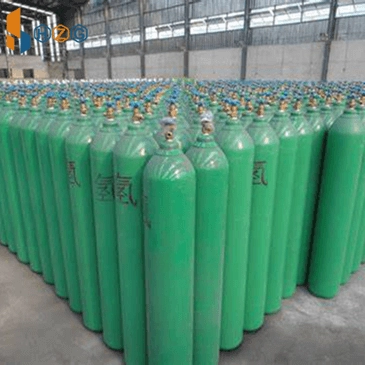
เครื่องกำเนิดไนโตรเจนรับประกันความบริสุทธิ์สม่ำเสมอได้อย่างไร
โรงงานหลายแห่งกำลังย้ายออกจากกระบอกสูบและติดตั้งของตนเอง เครื่องกำเนิดไนโตรเจน. เครื่องนี้ใช้เวลา อากาศโดยรอบ และเปลี่ยนมันให้เป็น ก๊าซบริสุทธิ์. แต่จะมั่นใจได้อย่างไรว่า. ความบริสุทธิ์ของไนโตรเจน? โดยใช้เทคโนโลยีอย่าง Pressure Swing Adsorption (PSA)
ใน ระบบพีเอสเอ, อากาศอัด ถูกผลักผ่านตะแกรงโมเลกุลคาร์บอน ตะแกรงเหล่านี้ฉลาด พวกมันจับโมเลกุลออกซิเจนแต่ปล่อยให้ ไนโตรเจน ผ่าน. ถึง กำหนดความบริสุทธิ์ของไนโตรเจนคุณปรับการไหล การไหลเวียนของอากาศที่ช้าลงช่วยให้ตะแกรงจับออกซิเจนได้มากขึ้น ส่งผลให้มีความบริสุทธิ์สูงขึ้น การไหลเวียนของอากาศที่เร็วขึ้นช่วยให้คุณได้มากขึ้น แก๊สแต่มีความบริสุทธิ์ต่ำกว่าเล็กน้อย
มีความทันสมัย เครื่องกำเนิดไนโตรเจน มาพร้อมเครื่องวิเคราะห์ในตัว เหล่านี้ ระบบการตรวจสอบ ตรวจสอบอย่างต่อเนื่อง ออกซิเจนและไนโตรเจน ระดับ หากความบริสุทธิ์ลดลงต่ำกว่าขีดจำกัดที่ตั้งไว้ เครื่องจะหยุดการไหลหรือส่งเสียงเตือนโดยอัตโนมัติ สิ่งนี้จะช่วยให้คุณ ความบริสุทธิ์สม่ำเสมอ วันแล้ววันเล่า สำหรับ งานอุตสาหกรรม ที่ไหน ไนโตรเจน ถูกใช้เป็น ก๊าซเฉื่อย เพื่อป้องกันเพลิงไหม้หรือการระเบิด ความน่าเชื่อถือนี้จึงมีข้อได้เปรียบเหนือการส่งมอบอย่างมาก การจัดหาก๊าซซึ่งอาจแตกต่างกันไปในแต่ละชุด
อันตรายที่ซ่อนอยู่ในห่วงโซ่อุปทานก๊าซคืออะไร
แม้ว่า แก๊ส ออกจากโรงงานของฉันด้วยความบริสุทธิ์ 99.999% ซึ่งต้องใช้เวลาเดินทางอีกนานก่อนที่จะถึงมือลูกค้าของคุณในสหรัฐอเมริกา ที่ ห่วงโซ่อุปทาน เป็นที่ที่มากที่สุด การปนเปื้อน เกิดขึ้น ผู้กระทำผิดที่ใหญ่ที่สุด? ที่ กระบอก ตัวมันเอง หากกระบอกสูบไม่ได้รับการทำความสะอาดหรืออพยพอย่างเหมาะสมก่อนที่จะเติมถังเก่า แก๊ส หรืออากาศภายในผสมกับของใหม่ ก๊าซมีความบริสุทธิ์สูง.
ความเสี่ยงอีกประการหนึ่งคือจุดเชื่อมต่อ ทุกครั้งที่คุณต่อหรือถอดท่อ อากาศปริมาณเล็กน้อยอาจเล็ดลอดเข้าไปได้ ความชื้นจะคงอยู่ยาวนานที่สุด สารปนเปื้อน. มันเกาะติดกับผนังท่อและสายยาง หากซัพพลายเออร์ใช้ท่ออ่อนราคาถูกที่ไม่ได้รับการจัดอันดับ มีความบริสุทธิ์สูงความชื้นจากอากาศสามารถซึมผ่านผนังท่อและทำให้แห้งได้ กระแสก๊าซ.
สำหรับเจ้าหน้าที่จัดซื้ออย่างมาร์ค นี่คือจุดที่เป็นปัญหา คุณซื้อผลิตภัณฑ์ระดับพรีเมียม แต่การขนส่งที่ไม่ดีทำให้สินค้านั้นเสื่อมโทรม นี่คือเหตุผล รักษาความบริสุทธิ์ของก๊าซ ต้องใช้โปรโตคอลที่เข้มงวด ตลอดห่วงโซ่อุปทาน. โดยเกี่ยวข้องกับการใช้เช็ควาล์วเพื่อป้องกันการไหลย้อนกลับ และตรวจสอบให้แน่ใจว่ารถบรรทุกและปั๊มถ่ายโอนทุกคันทุ่มเทให้กับบริการเฉพาะเพื่อหลีกเลี่ยงการปนเปื้อนข้าม
เหตุใดความบริสุทธิ์จึงมีความสำคัญอย่างยิ่งต่อการผลิตเซมิคอนดักเตอร์
หากมีอุตสาหกรรมหนึ่งที่เก็บไว้ แก๊ส ซัพพลายเออร์ตื่นนอนตอนกลางคืนเลยก็ว่าได้ การผลิตเซมิคอนดักเตอร์. การทำไมโครชิปนั้นละเอียดอ่อนอย่างไม่น่าเชื่อ คุณสมบัติบนชิปมีขนาดเล็กกว่าเส้นผมมนุษย์หลายพันเท่า อนุภาคขนาดเล็กจิ๋วหรือ สิ่งเจือปน ใน แปรรูปแก๊ส สามารถลัดวงจรชิปทำให้เสียหายได้ทันที
ในภาคนี้ ก๊าซที่มีความบริสุทธิ์สูงถือเป็นสิ่งสำคัญ. เรากำลังพูดถึง ความบริสุทธิ์สูงเป็นพิเศษ ระดับที่วัดสิ่งเจือปนเป็นส่วนต่อล้านล้าน ไนโตรเจน ใช้ที่นี่เพื่อล้างอุปกรณ์และสร้างสภาพแวดล้อมที่สะอาด ถ้า ไนโตรเจน มีแม้กระทั่งออกซิเจนเล็กน้อย โลหะบนชิปสามารถออกซิไดซ์ (สนิม) ได้ทันที
ใช้ก๊าซที่มีความบริสุทธิ์สูง เพื่อกัดวงจรและทำความสะอาดห้องเพาะเลี้ยง ที่ ข้อกำหนดสำหรับก๊าซ ที่นี่ขับเคลื่อนนวัตกรรมโดยรวม อุตสาหกรรมก๊าซ. เพื่อรองรับตลาดนี้ ซัพพลายเออร์จะต้องมีความก้าวหน้า ระบบการทำให้บริสุทธิ์ ความสามารถและบรรจุภัณฑ์ในห้องสะอาด มันแสดงถึงจุดสุดยอดของ มาตรฐานความบริสุทธิ์ของก๊าซ. แม้ว่าคุณจะไม่ได้ขายให้กับผู้ผลิตชิป แต่การทำความเข้าใจมาตรฐานของพวกเขาจะช่วยให้คุณเข้าใจความหมายของคำว่า "สะอาด" อย่างแท้จริง
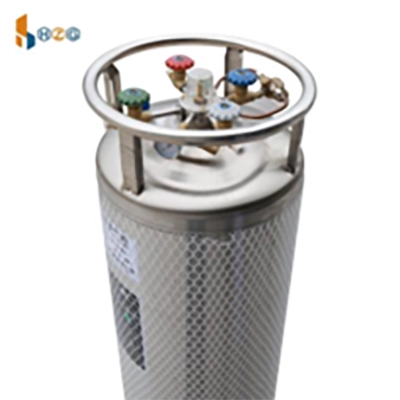
ไนโตรเจนเหลวกับถังแก๊ส: ไหนรักษาความบริสุทธิ์ได้ดีกว่า?
เมื่อคุณต้องการ ไนโตรเจนที่มีความบริสุทธิ์สูงคุณมีสองทางเลือกหลักในการจัดส่ง: ไนโตรเจนเหลว หรือถังแก๊สแรงดันสูง ทั้งสองมีข้อดีและข้อเสียเกี่ยวกับความบริสุทธิ์ ไนโตรเจนเหลว เกิดจากอากาศเย็นจนกลายเป็นของเหลว กระบวนการนี้จะแยกสิ่งสกปรกออกจากกันตามธรรมชาติเนื่องจากจะแข็งตัวที่อุณหภูมิต่างกัน ดังนั้นของเหลวจึงมักจะบริสุทธิ์อย่างยิ่ง
อย่างไรก็ตาม ความเสี่ยงจากของเหลวอยู่ที่การทำให้กลายเป็นไอ หากต้องการใช้คุณต้องเปลี่ยนกลับเป็นแก๊ส หากเครื่องพ่นไอน้ำหรือท่อสกปรก ก๊าซบริสุทธิ์ ได้รับการปนเปื้อน กระบอกสูบในทางกลับกัน จัดเก็บ แก๊ส ที่ได้ระเหยและทำให้บริสุทธิ์แล้ว ความเสี่ยงที่นี่คือ กระบอก การเตรียมการ
สำหรับปริมาณที่สูงมาก ของเหลวจะดีกว่า แต่สำหรับ มีความบริสุทธิ์สูง ความต้องการในปริมาณน้อย ได้รับการดูแลเป็นพิเศษ กระบอกสูบ (มักทำจากอลูมิเนียมหรือเหล็กชนิดพิเศษ) ได้อย่างดีเยี่ยม พวกเขาเตรียมโดยใช้กระบวนการ "อบ" โดยที่ กระบอก ถูกทำความร้อนและดูดฝุ่นเพื่อขจัดความชื้นและอื่นๆ โมเลกุลของก๊าซ. ในฐานะซัพพลายเออร์ของ ก๊าซอุตสาหกรรมฉันมั่นใจว่ากระบอกสูบของเราผ่านการทำความสะอาดอย่างเข้มงวดเพื่อ รักษาความบริสุทธิ์ ลูกค้าของเราจ่ายเงิน
คุณจะตรวจสอบระดับความบริสุทธิ์แบบเรียลไทม์ได้อย่างไร
ความน่าเชื่อถือเป็นสิ่งที่ดี แต่การตรวจสอบจะดีกว่า คุณไม่สามารถมองเห็นหรือดมกลิ่นได้ถ้า ไนโตรเจน คือ 99.9% หรือ 99.999% คุณต้องการเทคโนโลยี มาตรฐานทองคำสำหรับการวิเคราะห์คือ แก๊สโครมาโทกราฟี (GC) เครื่อง GC จะเก็บตัวอย่าง แก๊ส และแยกออกเป็นองค์ประกอบแต่ละส่วน โดยจะให้รายงานโดยละเอียดเกี่ยวกับสิ่งที่อยู่ในนั้น กระแสก๊าซรวมทั้งใดๆ สิ่งเจือปน.
สำหรับ ในสถานที่ รุ่นเราใช้ต่อเนื่อง ระบบการตรวจสอบ. เหล่านี้เป็นเซ็นเซอร์ที่ติดตั้งโดยตรงในท่อ โดยให้ข้อมูลแบบเรียลไทม์เกี่ยวกับระดับออกซิเจนและความชื้น ถ้า ความบริสุทธิ์ของก๊าซ ดริฟท์ระบบจะแจ้งเตือนผู้ปฏิบัติงาน
สำหรับผู้ซื้อการขอใบรับรองการวิเคราะห์ (COA) คือ แนวปฏิบัติที่ดีที่สุด. COA คือเอกสารจากห้องปฏิบัติการที่พิสูจน์ คุณภาพก๊าซ ของชุดเฉพาะนั้น อย่ายอมรับการจัดส่งโดยไม่มีหนึ่ง มันเป็นข้อพิสูจน์ของคุณว่า ช่วยให้มั่นใจได้ถึงความบริสุทธิ์ของก๊าซ สอดคล้องกับความต้องการของคุณ ขั้นตอนง่ายๆ นี้ช่วยได้ รับรองการปฏิบัติตาม และป้องกันการเรียกร้องการฉ้อโกงเกี่ยวกับ ระดับความบริสุทธิ์.
ระบบจัดส่งมีบทบาทอย่างไรในการรักษาความบริสุทธิ์ของก๊าซ
คุณสามารถมีความบริสุทธิ์ที่สุดได้ แก๊ส ในโลก แต่ถ้าดันมันผ่านท่อสกปรกมันก็พัง ที่ การส่งก๊าซ ระบบ—ตัวควบคุม วาล์ว และท่อ—คือเส้นทางสุดท้ายของการเดินทาง สำหรับ ก๊าซมีความบริสุทธิ์สูงท่อทองแดงหรือยางมาตรฐานมักจะไม่ดีพอ พวกมันสามารถระบายแก๊ส (ปล่อยสารเคมีที่ติดอยู่) หรือปล่อยให้ความชื้นแพร่กระจายเข้าไปได้
มาตรฐานสำหรับ มีความบริสุทธิ์สูง เป็นท่อสแตนเลส ด้านในของท่อควรขัดด้วยไฟฟ้า ซึ่งหมายความว่ามันถูกทำให้เรียบในระดับจุลภาคเพื่อไม่ให้มีจุดหยาบ สารปนเปื้อน เพื่อซ่อน ประเภทของหน่วยงานกำกับดูแลก็มีความสำคัญเช่นกัน คุณต้องมีตัวควบคุมที่มีไดอะแฟรมสแตนเลส ไดอะแฟรมยางสามารถดูดซับและปล่อยสิ่งสกปรกได้
แนวทางปฏิบัติที่ดีที่สุด เกี่ยวข้องกับการล้าง ระบบการจัดส่ง. ก่อนที่คุณจะเริ่มกระแสหลักของ แก๊สคุณล้างบรรทัดด้วย ก๊าซบริสุทธิ์ เพื่อไล่อากาศหรือความชื้นที่เข้ามาขณะเปลี่ยน กระบอก. "การกวาดล้าง" นี้มีความสำคัญ มันเสียสละก๊าซจำนวนเล็กน้อยเพื่อปกป้อง ความบริสุทธิ์ของก๊าซ สำหรับกระบวนการที่เกิดขึ้นจริง

แนวทางปฏิบัติที่ดีที่สุดในการจัดการก๊าซชนิดพิเศษมีอะไรบ้าง
ก๊าซชนิดพิเศษ หมายถึงก๊าซที่หายากหรือมีความบริสุทธิ์สูงเป็นพิเศษที่ใช้สำหรับงานเฉพาะ เช่น ส่วนผสมในการสอบเทียบหรือก๊าซเลเซอร์ การจัดการกับสิ่งเหล่านี้ต้องได้รับการดูแล นี่คือบางส่วน แนวทางปฏิบัติที่ดีที่สุด ที่ต้องจำ:
- อุปกรณ์เฉพาะ: ห้ามใช้ตัวควบคุมสำหรับออกซิเจนสักวันหนึ่งและ ไนโตรเจน ต่อไป ครอส-การปนเปื้อน เป็นความเสี่ยงที่สำคัญ เก็บอุปกรณ์ไว้โดยเฉพาะประเภทหนึ่ง แก๊ส.
- การตรวจสอบการรั่วไหล: การรั่วไหลช่วยให้ แก๊ส ออกมาแต่ก็สามารถปล่อยให้อากาศได้เช่นกัน ใน เนื่องจากผลของเวนทูรี ทดสอบของคุณเป็นประจำ ระบบแก๊ส สำหรับการรั่วไหลโดยใช้น้ำยาหรือเครื่องตรวจจับพิเศษ
- การจัดเก็บ: เก็บกระบอกสูบไว้ในบริเวณที่สะอาดและแห้ง หากมีฝุ่นเกาะอยู่บนวาล์ว ก็สามารถปลิวเข้าสู่ระบบของคุณได้เมื่อคุณเชื่อมต่อ
- อย่าล้างข้อมูลให้หมด: ทิ้งแรงดันบวกไว้เล็กน้อย (ประมาณ 25 psi) ไว้ในเสมอ กระบอก เมื่อส่งกลับ. เพื่อป้องกันไม่ให้อากาศภายนอกเข้าสู่ช่องว่าง กระบอกทำให้ซัพพลายเออร์ทำความสะอาดและเติมได้ง่ายขึ้น ก๊าซมีความบริสุทธิ์สูง.
การปฏิบัติตามกฎง่ายๆเหล่านี้จะช่วยได้ รักษาก๊าซ คุณภาพและทำให้คุณมั่นใจได้ว่า กระบวนการทางอุตสาหกรรม ทำงานได้อย่างราบรื่น
คุณจะเลือกซัพพลายเออร์ที่รับประกันคุณภาพก๊าซได้อย่างไร
สุดท้าย การตัดสินใจที่สำคัญที่สุดคือการเลือกคู่ของคุณ ที่ อุตสาหกรรมก๊าซ เต็มไปด้วยเทรดเดอร์ แต่ไม่ใช่ทุกคนที่มีมาตรฐานเดียวกัน เมื่อทำการประเมินซัพพลายเออร์สำหรับ โซลูชั่นก๊าซมองข้ามป้ายราคา ถามเกี่ยวกับระบบการจัดการคุณภาพ (QMS) พวกเขาได้รับการรับรองมาตรฐาน ISO หรือไม่?
ถามเกี่ยวกับพวกเขา การผลิตก๊าซ และสิ่งอำนวยความสะดวกการเติม พวกเขามีห้องปฏิบัติการของตัวเองด้วย ระบบจีซี เพื่อตรวจสอบทุกชุด? ซัพพลายเออร์ที่เชื่อถือได้จะมีความโปร่งใสเกี่ยวกับพวกเขา มาตรฐานความบริสุทธิ์. พวกเขาควรจะสามารถอธิบายได้ว่าพวกเขาทำความสะอาดกระบอกสูบอย่างไรและติดตามพวกเขาอย่างไร ห่วงโซ่อุปทาน.
สำหรับ Mark ในการติดต่อกับซัพพลายเออร์ในประเทศกำลังพัฒนา ความไว้วางใจคือกุญแจสำคัญ มองหาซัพพลายเออร์ที่เข้าใจ ก๊าซที่มีความบริสุทธิ์สูงเป็นพิเศษ และมีประวัติในการส่งออกไปยังตลาดที่มีการควบคุม ซัพพลายเออร์ที่ดีจะทำหน้าที่เป็นที่ปรึกษาเพื่อช่วยคุณในการพิจารณา แก๊สที่ถูกต้อง และทางขวา ความต้องการความบริสุทธิ์ สำหรับธุรกิจของคุณ เรามีความภาคภูมิใจ ส่งก๊าซที่มีความบริสุทธิ์สูง ไนโตรเจน ที่ตรงตามข้อกำหนดสากลทำให้คุณไม่ต้องกังวลกับ แก๊ส ที่ขับเคลื่อนธุรกิจของคุณ
ประเด็นสำคัญ
- กำหนดความต้องการของคุณ: ทำความเข้าใจความแตกต่างระหว่างความบริสุทธิ์ทางอุตสาหกรรม ความบริสุทธิ์สูง และความบริสุทธิ์สูงเป็นพิเศษ เพื่อหลีกเลี่ยงไม่ให้จ่ายเงินมากเกินไปหรือระบุน้อยเกินไป
- แหล่งที่มาเรื่อง: เครื่องกำเนิดไนโตรเจน (PSA) ให้มีความสม่ำเสมอ ในสถานที่ ความบริสุทธิ์ในขณะที่ กระบอกสูบ ต้องการการจัดการห่วงโซ่อุปทานที่เข้มงวด
- ดูห่วงโซ่: การปนเปื้อน มักเกิดขึ้นระหว่างการขนส่งหรือการเชื่อมต่อ ใช้เฉพาะด้าน สะอาด ระบบส่งก๊าซ.
- ตรวจสอบ: ต้องการใบรับรองการวิเคราะห์ (COA) และใช้เสมอ ระบบการตรวจสอบ สำหรับการใช้งานที่สำคัญเช่น การผลิตเซมิคอนดักเตอร์.
- อุปกรณ์: ใช้ท่อสแตนเลสและไล่เส้นของคุณออก รักษาความบริสุทธิ์ ของ กระแสก๊าซ.
- ความน่าเชื่อถือของซัพพลายเออร์: เลือกซัพพลายเออร์ที่มีความสามารถในห้องปฏิบัติการที่ผ่านการตรวจสอบและโปร่งใส แนวทางปฏิบัติที่ดีที่สุด สำหรับ ความบริสุทธิ์ของก๊าซ.
การใส่ใจในรายละเอียดเหล่านี้ทำให้คุณมั่นใจได้ว่า การจัดหาก๊าซ คือการเชื่อมโยงที่แข็งแกร่งในห่วงโซ่ธุรกิจของคุณ ไม่ใช่การเชื่อมโยงที่อ่อนแอ ไม่ว่าคุณจะต้องการ แก๊สทางการแพทย์ หรือโซลูชันทางอุตสาหกรรม ความบริสุทธิ์คือกุญแจสำคัญสู่ประสิทธิภาพ