คู่มือที่ครอบคลุมเกี่ยวกับก๊าซไนโตรเจนไตรฟลูออไรด์ (NF₃) ในการผลิตเซมิคอนดักเตอร์
สมาร์ทโฟนในกระเป๋าของคุณ คอมพิวเตอร์บนโต๊ะ ระบบขั้นสูงในรถของคุณ ทุกสิ่งจะเป็นไปไม่ได้เลยหากไม่มีการทำงานของก๊าซพิเศษที่เงียบและมองไม่เห็น ในฐานะเจ้าของโรงงานก๊าซอุตสาหกรรม ฉัน อัลเลน ได้เห็นโดยตรงว่าวัสดุที่สำคัญเหล่านี้ก่อให้เกิดรากฐานของเทคโนโลยีสมัยใหม่ได้อย่างไร สำหรับผู้นำธุรกิจอย่าง Mark Shen ผู้ซึ่งนำทางห่วงโซ่อุปทานระดับโลกที่ซับซ้อน การทำความเข้าใจก๊าซเหล่านี้เป็นกุญแจสำคัญในการปลดล็อกโอกาสใหม่ๆ บทความนี้เป็นคำแนะนำที่ครอบคลุมของคุณเกี่ยวกับหนึ่งในผู้เล่นที่สำคัญที่สุดในสาขานี้: ไนโตรเจนไตรฟลูออไรด์ (NF₃). เราจะไขปริศนาอันทรงพลังนี้ แก๊สสำรวจบทบาทที่สำคัญในการ กระบวนการผลิตเซมิคอนดักเตอร์และอธิบายว่าเหตุใดคุณภาพและอุปทานจึงมีความสำคัญต่อทั้งระบบ การผลิตอุปกรณ์อิเล็กทรอนิกส์ อุตสาหกรรม
ก๊าซไนโตรเจนไตรฟลูออไรด์ (NF₃) คืออะไรกันแน่?
เมื่อมองแวบแรก ไนโตรเจนไตรฟลูออไรด์มักเรียกตามสูตรทางเคมีของมัน NF₃อาจดูเหมือนเป็นเพียงอุตสาหกรรมอื่น แก๊ส. มีลักษณะไม่มีสี ไม่ติดไฟ และมีกลิ่นอับเล็กน้อย สารประกอบ. อย่างไรก็ตาม ในโลกของ. การผลิตขั้นสูงนี้ แก๊ส เป็นเครื่องมือที่มีประสิทธิภาพสูง เป็นผลิตภัณฑ์สังเคราะห์ สารประกอบ ประกอบด้วยไนโตรเจนหนึ่งอะตอมและสามอะตอม ฟลูออรีน อะตอม กุญแจสู่อำนาจอยู่ที่โครงสร้างนี้ ที่อุณหภูมิห้อง NF₃ ค่อนข้างมีเสถียรภาพและ เฉื่อยทำให้การขนส่งและการจัดการปลอดภัยเมื่อเทียบกับก๊าซที่ระเหยได้ง่ายกว่า
ความมหัศจรรย์เกิดขึ้นเมื่อใช้พลังงาน ภายใต้สภาวะพลังงานสูงภายในก เซมิคอนดักเตอร์ เครื่องมือการผลิต เช่น ก พลาสมา ห้อง NF₃ โมเลกุล สลายตัว. พวกเขาแตกสลายและปล่อยออกมาอย่างมาก ปฏิกิริยา ฟลูออรีน อนุมูล ลองคิดว่ามันเหมือนกับการระเบิดที่มีการควบคุมในระดับจุลภาค เหล่านี้ฟรี ฟลูออรีน อะตอมมีประสิทธิภาพอย่างเหลือเชื่อในการทำปฏิกิริยากับและกำจัดวัสดุที่ไม่ต้องการโดยเฉพาะ ซิลิคอน และสารประกอบของมัน ความสามารถนี้จะมีเสถียรภาพเมื่อคุณต้องการและในระดับสูง ปฏิกิริยา เมื่อคุณต้องการมันทำให้ ก๊าซไนโตรเจนไตรฟลูออไรด์ ทรัพย์สินอันล้ำค่าในโลกที่แม่นยำของ การผลิตชิป.
ธรรมชาติคู่อันเป็นเอกลักษณ์นี้จึงเป็นเหตุให้ NF₃ ได้กลายเป็นรากฐานสำคัญของความทันสมัย การผลิตเซมิคอนดักเตอร์. ความเสถียรทำให้มั่นใจในความปลอดภัยและความน่าเชื่อถือในห่วงโซ่อุปทาน ในขณะที่ปฏิกิริยาตอบสนองทำให้มีความสามารถในการทำความสะอาดและการแกะสลักประสิทธิภาพสูงตามที่ผู้ผลิตต้องการ เมื่อเราเจาะลึกลงไป คุณจะเห็นว่ามันฟังดูเรียบง่ายแค่ไหน แก๊ส ช่วยให้สามารถสร้างอุปกรณ์ที่ซับซ้อนที่สุดในโลกได้
เหตุใดก๊าซพิเศษจึงจำเป็นสำหรับอุตสาหกรรมเซมิคอนดักเตอร์
เพื่อให้เข้าใจถึงความสำคัญของ NF₃อันดับแรกเราต้องชื่นชมบทบาทในวงกว้างก่อน ก๊าซมีความจำเป็น สำหรับใน อุตสาหกรรมเซมิคอนดักเตอร์. การผลิต วงจรรวม ก็เหมือนกับการสร้างตึกระฟ้าบนผืนผ้าใบขนาดเท่าภาพขนาดย่อของคุณ เป็นกระบวนการเพิ่มและเอาชั้นวัสดุต่างๆ ที่บางเฉียบหลายสิบชั้นออกลงบน ซิลิคอน เวเฟอร์. ทุกขั้นตอนตั้งแต่การสร้างเปลือยเปล่า เวเฟอร์ จนถึงชิปสุดท้าย อาศัยบรรยากาศพิเศษที่ได้รับการควบคุมอย่างระมัดระวัง ก๊าซอิเล็กทรอนิกส์.
ก๊าซเหล่านี้ทำหน้าที่สำคัญหลายประการ บางอย่างเช่น อาร์กอน และ ฮีเลียมถูกใช้เป็นก๊าซพาหะเฉื่อยเพื่อสร้างสภาพแวดล้อมที่ไม่เกิดปฏิกิริยาและเสถียร และเพื่อเจือจางก๊าซที่เกิดปฏิกิริยามากขึ้น อื่นๆใช้สำหรับ การทับถมที่ไหน แก๊ส ถูกนำมาใช้ เงินฝาก ฟิล์มบางๆ ของวัสดุลงบน เวเฟอร์. เช่น ในวิชาเคมี ไอ การสะสม (ซีวีดี) ก๊าซจะทำปฏิกิริยาเพื่อสร้างฟิล์มแข็งและกลายเป็นส่วนหนึ่งของวงจรของชิป จากนั้นก็มีก๊าซกัดกร่อนเช่น NF₃ซึ่งใช้ในการแกะสลักลวดลายในชั้นเหล่านี้อย่างแม่นยำ สร้างเส้นทางที่ซับซ้อนเพื่อให้กระแสไฟฟ้าไหล
โดยไม่มีค่าคงที่, พิเศษ-มีความบริสุทธิ์สูง การจัดหาก๊าซต่างๆ เหล่านี้ทั้งหมด กระบวนการผลิต จะหยุดชะงักลง แม้แต่สิ่งเล็กๆ น้อยๆ สิ่งเจือปน ใน แก๊ส สามารถทำลายเวเฟอร์ทั้งชุด ส่งผลให้บริษัทต้องสูญเสียเงินหลายล้านดอลลาร์ นี่คือเหตุผล ผู้ผลิตเซมิคอนดักเตอร์ มีความอ่อนไหวอย่างมากต่อคุณภาพและความน่าเชื่อถือของซัพพลายเออร์ก๊าซของตน ความบริสุทธิ์ของ แก๊ส แปลตรงถึงคุณภาพและ ผลผลิตการผลิต ของผลิตภัณฑ์ขั้นสุดท้าย
ก๊าซ NF₃ ใช้ในกระบวนการผลิตเซมิคอนดักเตอร์อย่างไร
ไนโตรเจนไตรฟลูออไรด์ มีแอปพลิเคชันหลักที่สำคัญสองรายการใน กระบวนการผลิตเซมิคอนดักเตอร์: การแกะสลักด้วยพลาสม่าและการทำความสะอาดห้องเพาะเลี้ยง ทั้งสองอย่างมีความจำเป็นสำหรับการสร้างไมโครชิปประสิทธิภาพสูง ตั้งแต่โปรเซสเซอร์ไปจนถึง หน่วยความจำแฟลช NAND.
ก่อนอื่นเรามาพูดถึงการแกะสลักกันก่อน หลังจากมีชั้นวัสดุคล้าย ซิลิคอน ไดออกไซด์ ถูกฝากไว้ที่ เวเฟอร์จะมีการฉายลวดลายลงบนภาพโดยใช้แสง ที่ จำหลัก จากนั้นกระบวนการจะกำจัดวัสดุออกจากพื้นที่ที่ไม่มีการป้องกัน NF₃ ถูกนำเข้าไปในห้องและมีพลังเพื่อสร้าง พลาสมา—ก้อนเมฆแห่งการชาร์จ ไอออน อนุภาคและปฏิกิริยา ฟลูออรีน อนุมูล อนุมูลเหล่านี้โจมตีอย่างแม่นยำ เวเฟอร์ พื้นผิวที่ทำปฏิกิริยากับ ซิลิคอน และแปลงมันเป็น ก๊าซ สารประกอบ (ซิลิคอน เตตราฟลูออไรด์) ที่สามารถสูบออกจากห้องได้ง่าย ความแม่นยำของกระบวนการนี้เป็นเรื่องที่น่าเหลือเชื่อ ทำให้วิศวกรสามารถแกะสลักคุณสมบัติที่บางกว่าเส้นผมของมนุษย์หลายพันเท่า
ประการที่สองและแพร่หลายมากขึ้น การใช้ไนโตรเจนไตรฟลูออไรด์ เป็นเหมือน ทำความสะอาดแก๊ส. ในระหว่าง การสะสมไอสารเคมี (ซีวีดี) กระบวนการที่มีการสร้างฟิล์มบางๆ บน เวเฟอร์วัสดุที่ไม่พึงประสงค์ก็สะสมอยู่บนผนังด้านในของห้องกระบวนการด้วย นี้ สารตกค้างมักทำจาก ซิลิคอน หรือซิลิคอนไนไตรด์จะต้องถูกลบออกทั้งหมดระหว่างการประมวลผลแต่ละครั้ง เวเฟอร์ หรือชุดเวเฟอร์ ถ้าไม่เช่นนั้น สิ่งสะสมนี้อาจหลุดออกไปและตกลงไปในครั้งต่อไป เวเฟอร์ทำให้เกิดความบกพร่อง. ที่นี่ NF₃ ถูกสูบเข้าไปในห้องว่างและก พลาสมา ถูกจุดไฟ ผู้ทรงพลัง ฟลูออรีน อนุมูลจะขัดผนังห้องให้สะอาด เปลี่ยนของแข็ง สารตกค้าง เข้าไปใน ก๊าซ ผลพลอยได้ ที่สามารถถอดออกได้อย่างง่ายดาย รอบการทำความสะอาดนี้คือ สำคัญอย่างยิ่งต่อการบำรุงรักษา ความบริสุทธิ์ของสภาพแวดล้อมการผลิตและความมั่นใจในระดับสูง ผลผลิตการผลิต.
อะไรทำให้ NF₃ เป็นแก๊สทำความสะอาดที่เหนือกว่าเมื่อเปรียบเทียบกับทางเลือกอื่น
เป็นเวลาหลายปีที่ อุตสาหกรรมเซมิคอนดักเตอร์ อาศัยเพอร์ฟลูออโรคาร์บอน (PFC) เช่น คาร์บอนเตตราฟลูออไรด์ (CF₄) และ เฮกซะฟลูออโรอีเทน (C₂F₆) สำหรับทำความสะอาดและแกะสลัก แม้ว่าจะมีประสิทธิภาพ แต่สารประกอบเหล่านี้กลับมาพร้อมกับข้อเสียเปรียบที่สำคัญ: เป็นก๊าซเรือนกระจกที่มีศักยภาพอย่างยิ่งและมีอายุการใช้งานในชั้นบรรยากาศที่ยาวนานมาก ตัวอย่างเช่น C₂F₆ มี ศักยภาพในการทำให้เกิดภาวะโลกร้อนสูง (GWP) และสามารถคงอยู่ในชั้นบรรยากาศได้นานถึง 10,000 ปี เนื่องจากกฎระเบียบด้านสิ่งแวดล้อมเข้มงวดขึ้น อุตสาหกรรมจึงต้องการโซลูชันที่ดีกว่า
นี่คือที่ NF₃ กลายเป็นผู้ชนะที่ชัดเจน ในขณะที่ ไนโตรเจนไตรฟลูออไรด์ ยังเป็น ก๊าซเรือนกระจกที่มีศักยภาพมีอายุขัยในบรรยากาศสั้นกว่ามาก (ประมาณ 500 ปี) ที่สำคัญกว่านั้นคือกระบวนการทำความสะอาดมีประสิทธิภาพมากกว่ามาก ภายใน พลาสมา ห้องซึ่งมีเปอร์เซ็นต์ที่สูงกว่ามาก NF₃ โมเลกุลจะสลายตัวและปล่อยปฏิกิริยาออกมา ฟลูออรีน เมื่อเทียบกับ PFC ซึ่งหมายความว่าน้อยลง ไม่ตอบสนอง แก๊ส หมดลงจากห้องแล้ว ทันสมัย โรงงานเซมิคอนดักเตอร์ ยังติดตั้งระบบลดทอน (เครื่องขัด) ที่ทำลายเกือบทั้งหมด ไม่ตอบสนอง NF₃ และเป็นอันตราย ผลพลอยได้ ก๊าซก่อนที่จะถูกปล่อยออกมา
การรวมกันของประสิทธิภาพที่สูงขึ้นและการลดที่มีประสิทธิภาพมากขึ้นหมายความว่าเกิดขึ้นจริง การปล่อยก๊าซเรือนกระจก จากการใช้ NF₃ ต่ำกว่าก๊าซ PFC รุ่นเก่าอย่างมาก ประสิทธิภาพที่เหนือกว่านี้เป็นเหตุผลสำคัญที่ทำให้มีการนำไปใช้อย่างแพร่หลาย
| คุณสมบัติ | ไนโตรเจนไตรฟลูออไรด์ (NF₃) | เพอร์ฟลูออโรคาร์บอน (เช่น C₂F₆) |
|---|---|---|
| ประสิทธิภาพการทำความสะอาด | สูงมาก | ปานกลาง |
| การแยกตัวของพลาสมา | > 95% | 10-40% |
| การใช้แก๊ส | ต้องการปริมาณที่ต่ำกว่า | จำเป็นต้องมีปริมาณที่สูงขึ้น |
| เวลาดำเนินการ | รอบการทำความสะอาดเร็วขึ้น | รอบการทำความสะอาดช้าลง |
| ผลกระทบต่อสิ่งแวดล้อม | ลดการปล่อยมลพิษที่มีประสิทธิภาพด้วยการลด | สูงมาก อายุบรรยากาศยาวนาน |
| ความคุ้มทุน | สูงกว่า ผลผลิตการผลิต, หยุดทำงานน้อยลง | มีประสิทธิภาพน้อยลง สิ้นเปลืองมากขึ้น |
ไนโตรเจนไตรฟลูออไรด์ที่มีความบริสุทธิ์สูงผลิตได้อย่างไร
ในฐานะผู้ผลิตฉันสามารถบอกคุณได้ว่าการผลิต NF₃ มีความซับซ้อนและมีการควบคุมสูง กระบวนการผลิต. เป้าหมายคือการสร้างผลิตภัณฑ์ขั้นสุดท้ายที่มีความบริสุทธิ์อย่างไม่น่าเชื่อ ซึ่งมักจะมีความบริสุทธิ์ 99.999% หรือสูงกว่า เพราะแม้แต่เพียงเล็กน้อย สิ่งเจือปน อาจเป็นหายนะสำหรับ การผลิตเซมิคอนดักเตอร์. กระบวนการนี้ต้องใช้ความเชี่ยวชาญในการจัดการกับสารเคมีที่มีปฏิกิริยาสูงโดยเฉพาะ ฟลูออรีน.
ที่ การผลิตNF₃ โดยทั่วไปเกี่ยวข้องกับการทำปฏิกิริยา แอมโมเนีย (ก สารประกอบ ประกอบด้วยไนโตรเจน) หรือแอมโมเนียม ฟลูออไรด์ ผสมกับธาตุ ฟลูออรีน ก๊าซในเครื่องปฏิกรณ์ที่ อุณหภูมิสูง. ปฏิกิริยานี้ทำให้เกิดส่วนผสมของก๊าซได้แก่ NF₃วัสดุที่ไม่ทำปฏิกิริยา และผลพลอยได้ต่างๆ ความท้าทายที่แท้จริง และจุดที่ความเชี่ยวชาญของซัพพลายเออร์แสดงให้เห็นอย่างแท้จริงนั้นอยู่ที่ การทำให้บริสุทธิ์ ขั้นตอนต่อไป
ดิบ ก๊าซ ส่วนผสมต้องผ่านหลายอย่าง การทำให้บริสุทธิ์ ขั้นตอนในการกำจัดสารประกอบที่ไม่ต้องการ ซึ่งมักเกี่ยวข้องกับการขัดถูหลายครั้ง การดูดซับและกระบวนการกลั่นด้วยความเย็นจัด ที่ กระบวนการกลั่นโดยเฉพาะอย่างยิ่ง ใช้อุณหภูมิที่ต่ำมากเพื่อแยกก๊าซต่างๆ ตามจุดเดือด โดยแยกก๊าซต่างๆ NF₃ จากสิ่งเจือปนที่เหลืออยู่ ทุกขั้นตอนได้รับการตรวจสอบด้วยอุปกรณ์วิเคราะห์ขั้นสูงเพื่อให้แน่ใจว่าผลิตภัณฑ์ขั้นสุดท้ายตรงตามข้อกำหนดที่เข้มงวดของ เซมิคอนดักเตอร์ อุตสาหกรรม ความมุ่งมั่นในการควบคุมคุณภาพคือสิ่งที่แยกซัพพลายเออร์ที่เชื่อถือได้ออกจากส่วนที่เหลือ
ข้อควรพิจารณาด้านความปลอดภัยและการจัดการสำหรับก๊าซ NF₃ คืออะไร
ความปลอดภัยเป็นสิ่งสำคัญที่สุดในอุตสาหกรรม แก๊ส ธุรกิจ ในขณะที่ NF₃ ไม่ติดไฟและค่อนข้างเสถียรที่อุณหภูมิห้อง เป็นสารออกซิไดซ์ที่แรงโดยเฉพาะที่อุณหภูมิสูงกว่า ซึ่งหมายความว่าสามารถทำปฏิกิริยารุนแรงกับวัสดุไวไฟได้ และต้องมีการจัดการอย่างระมัดระวัง ความเสี่ยงหลักคือความเป็นพิษ สูดดม แก๊ส อาจเป็นอันตรายได้ ดังนั้นการระบายอากาศที่เหมาะสมและอุปกรณ์ป้องกันส่วนบุคคลจึงมีความจำเป็น สถานที่ผลิต.
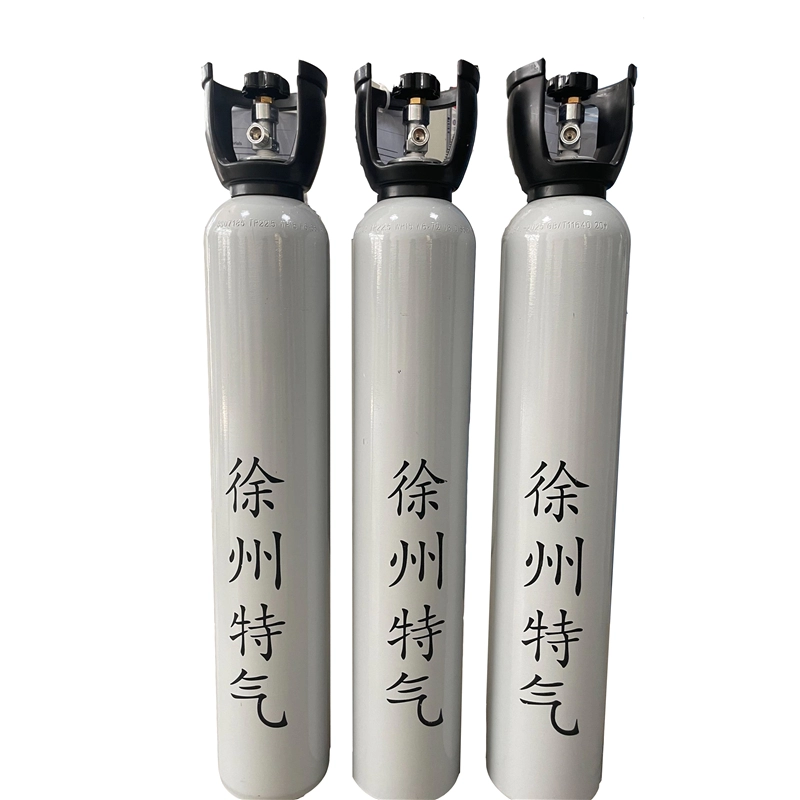
ห่วงโซ่อุปทานทั้งหมดตั้งแต่โรงงานของเราจนถึงลูกค้า เซมิคอนดักเตอร์ fab สร้างขึ้นเพื่อความปลอดภัย NF₃ ถูกขนส่งด้วยถังเหล็กที่ออกแบบเป็นพิเศษภายใต้แรงดันสูง กระบอกสูบเหล่านี้ผ่านการทดสอบและการรับรองอย่างเข้มงวดเพื่อให้แน่ใจว่าสามารถบรรจุได้อย่างปลอดภัย แก๊ส. ในฐานะซัพพลายเออร์ เราจัดเตรียมเอกสารข้อมูลความปลอดภัย (SDS) โดยละเอียดและการฝึกอบรมแก่ลูกค้าของเราเกี่ยวกับขั้นตอนการจัดเก็บ การเชื่อมต่อ และการจัดการที่เหมาะสม รวมถึงแนวทางปฏิบัติเกี่ยวกับ อัตราการไหล ระบบควบคุมและตรวจจับการรั่วไหล
สำหรับเจ้าของธุรกิจอย่าง Mark ซึ่งข้อกังวลหลักคือห่วงโซ่อุปทานที่ราบรื่นและเชื่อถือได้ การร่วมมือกับซัพพลายเออร์ที่มีบันทึกด้านความปลอดภัยที่พิสูจน์แล้วถือเป็นสิ่งสำคัญ การสื่อสารที่ไม่มีประสิทธิภาพหรือการขาดระเบียบปฏิบัติด้านความปลอดภัยที่ชัดเจนจากซัพพลายเออร์ถือเป็นธงสีแดงที่สำคัญ เราภูมิใจในตัวเองที่ไม่เพียงแต่ให้บริการผลิตภัณฑ์เท่านั้น แต่ยังให้บริการครบวงจรซึ่งรวมถึงการสนับสนุนด้านลอจิสติกส์และความเชี่ยวชาญด้านความปลอดภัย เพื่อให้มั่นใจว่า แก๊ส มาถึงและได้รับการดูแลอย่างปลอดภัยทุกย่างก้าว
ไนโตรเจนไตรฟลูออไรด์เป็นก๊าซเรือนกระจกหรือไม่? การทำความเข้าใจผลกระทบต่อสิ่งแวดล้อม
สิ่งสำคัญคือต้องมีความโปร่งใสเกี่ยวกับประเด็นด้านสิ่งแวดล้อมของ NF₃. ใช่ ไนโตรเจนไตรฟลูออไรด์ เป็นผู้มีศักยภาพ ก๊าซเรือนกระจก. คณะกรรมการระหว่างรัฐบาลว่าด้วยการเปลี่ยนแปลงสภาพภูมิอากาศ (IPCC) ได้คำนวณแล้วว่าตนมีศักยภาพในการทำให้เกิดภาวะโลกร้อน (GWP) มากกว่าคาร์บอนหลายพันเท่า ไดออกไซด์ ตลอดระยะเวลากว่า 100 ปี นี่คือข้อเท็จจริงที่อุตสาหกรรมให้ความสำคัญเป็นอย่างมาก
อย่างไรก็ตามเรื่องราวไม่ได้จบเพียงแค่นั้น ที่ ผลกระทบต่อสิ่งแวดล้อม ไม่ได้ขึ้นอยู่กับศักยภาพของก๊าซเท่านั้น แต่ยังขึ้นอยู่กับปริมาณก๊าซที่ถูกปล่อยออกสู่ชั้นบรรยากาศด้วย ตามที่กล่าวไว้ข้างต้น NF₃ มีประสิทธิภาพสูง ในรูปแบบที่ทันสมัย เซมิคอนดักเตอร์ สิ่งอำนวยความสะดวกส่วนใหญ่ของ ก๊าซที่ใช้ ถูกใช้หรือทำลายในระหว่างกระบวนการผลิต ที่ พลาสมา ทำลายมันลงและอื่นๆ ไม่ตอบสนอง แก๊ส ที่หมดจะถูกส่งไปยังระบบลด ระบบเหล่านี้มีประสิทธิภาพอย่างมาก โดยมักจะทำลายล้างส่วนที่เหลือมากกว่า 99% NF₃.
การเปลี่ยนแปลงของอุตสาหกรรมจาก PFCs มาเป็น NF₃เมื่อรวมกับการใช้เทคโนโลยีลดขนาดอย่างแพร่หลาย ส่งผลให้ปริมาณสุทธิลดลงจริง ๆ การปล่อยก๊าซเรือนกระจก ต่อหน่วยการผลิต มีความรับผิดชอบ ผู้ผลิตเซมิคอนดักเตอร์ และซัพพลายเออร์ก๊าซทำงานร่วมกันเพื่อให้แน่ใจว่าการปล่อยก๊าซเรือนกระจกจะลดลง สิ่งนี้เกี่ยวข้องกับการปรับกระบวนการทำความสะอาดให้เหมาะสมเพื่อใช้ในปริมาณน้อยที่สุด แก๊ส ที่จำเป็นและบำรุงรักษาระบบลดให้มีประสิทธิภาพสูงสุด ดังนั้นในขณะที่ NF₃ เป็นผู้มีศักยภาพ ก๊าซเรือนกระจก ในห้องปฏิบัติการ ผลกระทบต่อสิ่งแวดล้อมในโลกแห่งความเป็นจริง การผลิตเซมิคอนดักเตอร์ ได้รับการจัดการอย่างรอบคอบและต่ำกว่าทางเลือกอื่นที่ถูกแทนที่อย่างมาก
บทบาทของการสร้างก๊าซในสถานที่สำหรับโรงงานเซมิคอนดักเตอร์ขนาดใหญ่คืออะไร
ขนาดของความทันสมัย การผลิตเซมิคอนดักเตอร์ น่าทึ่งมาก สิ่งอำนวยความสะดวกที่ใหญ่ที่สุดหรือที่เรียกว่า mega-fabs ต้องใช้ก๊าซจำนวนมหาศาล สำหรับก๊าซบางชนิด เช่น ไนโตรเจน การผลิตโดยตรงที่โรงงานจะมีประสิทธิภาพมากกว่าการขนส่งด้วยรถบรรทุกหลายพันถัง สิ่งนี้เรียกว่า ในสถานที่ รุ่น สำหรับผู้ที่มีความเชี่ยวชาญสูงและมีความกระตือรือร้น แก๊ส ชอบ NF₃มีรูปแบบที่แตกต่างออกไปเล็กน้อย: ในสถานที่ การทำให้บริสุทธิ์และการวิเคราะห์
ขณะอิ่ม. การผลิตNF₃ ที่โรงงานผลิตเป็นเรื่องแปลกเนื่องจากมีความซับซ้อน ผู้ใช้จำนวนมากมักมีความซับซ้อน ในสถานที่ ระบบการจัดการก๊าซ อุปทานจำนวนมากของ NF₃ ถูกส่งไปยังโรงงานผลิต จากนั้นระบบนี้จะดำเนินการในขั้นตอนสุดท้าย การทำให้บริสุทธิ์ และการวิเคราะห์คุณภาพอย่างต่อเนื่องก่อนการ แก๊ส เข้าสู่เครื่องมือการผลิตราคาแพง นี่เป็นการควบคุมคุณภาพขั้นสูงสุด เพื่อให้มั่นใจว่าสามารถตรวจพบการปนเปื้อนที่อาจเกิดขึ้นจากสายการผลิตได้ แนวทางนี้เป็นการผสมผสานผลประโยชน์ทางเศรษฐกิจของการจัดซื้อจำนวนมากเข้ากับการประกันคุณภาพของ ในสถานที่ การจัดการ
การทำความเข้าใจรูปแบบการจัดหาที่เปลี่ยนแปลงเหล่านี้เป็นสิ่งสำคัญ ในฐานะซัพพลายเออร์ เราได้ขยายการบริการของเรานอกเหนือจากการเติมกระบอกสูบเท่านั้น ตอนนี้เราทำงานร่วมกับ ผู้ผลิตเซมิคอนดักเตอร์ระดับโลก เพื่อออกแบบและใช้โซลูชันการจัดส่งและการจัดการก๊าซแบบครบวงจร ซึ่งอาจรวมถึงการทุ่มเท สายการผลิต ความสามารถสำหรับลูกค้ารายใหญ่ โลจิสติกส์เฉพาะทาง หรือการบูรณาการกับลูกค้ารายดังกล่าว ในสถานที่ ระบบ เป็นเรื่องเกี่ยวกับการจัดหาห่วงโซ่อุปทานที่ยืดหยุ่นและเชื่อถือได้ซึ่งตอบสนองความต้องการที่ต้องการของ การผลิตแห่งศตวรรษที่ 21. นี่เป็นส่วนสำคัญของกลยุทธ์ของเรา โดยเฉพาะอย่างยิ่งเมื่อให้บริการลูกค้าอย่างมีนัยสำคัญ กำลังการผลิต.
ความบริสุทธิ์ของNF₃ส่งผลต่อผลผลิตในการผลิตชิปอย่างไร
ใน เซมิคอนดักเตอร์ โลก "ผลผลิต" คือทุกสิ่ง เป็นเปอร์เซ็นต์ของชิปที่ดีและใช้งานได้ดีซึ่งผลิตจากชิปตัวเดียว ซิลิคอน เวเฟอร์. ผลตอบแทนสูงหมายถึงความสามารถในการทำกำไรสูง ผลผลิตที่ต่ำอาจส่งผลเสียทางการเงินได้ ความบริสุทธิ์ของก๊าซในกระบวนการโดยเฉพาะปฏิกิริยา แก๊ส ชอบ NF₃มีผลกระทบโดยตรงและรุนแรงต่อ ผลผลิตการผลิต.
ลองนึกภาพอัน สิ่งเจือปน เช่น อนุภาคเล็กๆ ของความชื้น (H₂O) หรืออย่างอื่น ก๊าซ สารประกอบ ผสมกับ NF₃. ในระหว่างกระบวนการกัดกรดที่มีความละเอียดอ่อนนั้น สิ่งเจือปน สามารถรบกวนปฏิกิริยาเคมีทำให้เกิดข้อบกพร่องระดับจุลภาคในวงจรของชิป มันอาจปิดกั้น. จำหลักทิ้งวัสดุไว้ในที่ที่ไม่ควรอยู่ หรือทำให้เกิดการแกะสลักมากเกินไป ทำให้เอาวัสดุออกมากเกินไป ไม่ว่าจะด้วยวิธีใดก็ตามผลลัพธ์ที่ได้ วงจรรวม จะล้มเหลวในการทดสอบครั้งสุดท้าย เมื่อคุณสร้างทรานซิสเตอร์หลายล้านตัวบนชิปตัวเดียว แม้แต่ "ข้อบกพร่องร้ายแรง" เพียงตัวเดียวที่เกิดจาก สิ่งเจือปน สามารถทำให้ชิปทั้งหมดไร้ประโยชน์ได้
นี่คือเหตุผลที่เราลงทุนอย่างมากในการควบคุมคุณภาพ โดยการให้การรับรองพิเศษ-มีความบริสุทธิ์สูง NF₃เราให้ความมั่นใจแก่ลูกค้าว่า แก๊ส จะไม่เป็นต้นตอของความบกพร่อง การควบคุมความเข้มข้น ของทุกส่วนประกอบจนถึงระดับส่วนต่อพันล้านทำให้มั่นใจได้ว่า กระบวนการผลิต มีความเสถียรและสามารถทำซ้ำได้ กระบวนการที่มั่นคงนำไปสู่สิ่งที่คาดเดาได้และสูง ผลผลิตการผลิตซึ่งเป็นเป้าหมายสูงสุดสำหรับทุกคน เซมิคอนดักเตอร์ ผู้ผลิต บทบาทของเราในฐานะซัพพลายเออร์ของ ก๊าซชนิดพิเศษที่มีความบริสุทธิ์สูง คือการกำจัดตัวแปรและจัดหาผลิตภัณฑ์ที่มีคุณภาพแน่วแน่
คุณควรมองหาอะไรในซัพพลายเออร์ไนโตรเจนไตรฟลูออไรด์
สำหรับเจ้าหน้าที่จัดซื้ออย่าง Mark การเลือกซัพพลายเออร์ที่เหมาะสมสำหรับวัสดุที่สำคัญเช่น NF₃ ไปไกลกว่าแค่การเปรียบเทียบราคา ความเสี่ยงของการเป็นหุ้นส่วนที่ไม่ดี เช่น ความล่าช้าในการจัดส่ง ปัญหาด้านคุณภาพ การสื่อสารที่ไม่ดี นั้นสูงเกินไป จากประสบการณ์ของฉัน ต่อไปนี้เป็นปัจจัยสำคัญที่ควรพิจารณา:
ประการแรก คุณภาพและการรับรองที่ตรวจสอบได้ ซัพพลายเออร์ที่น่าเชื่อถือจะมอบใบรับรองการวิเคราะห์ (CoA) ให้กับการจัดส่งทุกครั้ง โดยระบุรายละเอียดระดับความบริสุทธิ์ และแสดงรายการสิ่งเจือปนที่ตรวจพบ ควรเป็นไปตามมาตรฐานสากล เช่น ISO 9001 สอบถามเกี่ยวกับความสามารถในการวิเคราะห์ของพวกเขา พวกเขามีอุปกรณ์ในการตรวจจับสิ่งเจือปนในระดับที่ต้องการหรือไม่ เซมิคอนดักเตอร์ แอปพลิเคชัน?
ประการที่สอง ความน่าเชื่อถือและความโปร่งใสของห่วงโซ่อุปทาน ซัพพลายเออร์สามารถแสดงให้เห็นถึงเครือข่ายลอจิสติกส์ที่แข็งแกร่งเพื่อป้องกันความล่าช้าได้หรือไม่? พวกเขามีความซ้ำซ้อนหรือไม่ กำลังการผลิต เพื่อให้แน่ใจว่ามีอุปทานคงที่? การสื่อสารเป็นสิ่งสำคัญที่นี่ ซัพพลายเออร์ของคุณควรดำเนินการเชิงรุก โดยให้ข้อมูลอัปเดตเกี่ยวกับการจัดส่งและพร้อมที่จะตอบคำถาม สิ่งนี้จะแก้ไขจุดเจ็บปวดของการสื่อสารที่ไม่มีประสิทธิภาพโดยตรง
สุดท้าย มองหาความเชี่ยวชาญด้านเทคนิค ซัพพลายเออร์ที่ดีไม่เพียงแต่ขายสินค้าเท่านั้น พวกเขาเสนอวิธีแก้ปัญหา พวกเขาควรเข้าใจแอปพลิเคชันของคุณและสามารถให้การสนับสนุนทางเทคนิคได้ พวกเขาควรมีความรู้เกี่ยวกับความปลอดภัย การจัดการ และแม้กระทั่งกฎระเบียบด้านสิ่งแวดล้อมโดยรอบ การใช้งานแก๊ส. ซัพพลายเออร์ที่สามารถทำหน้าที่เป็นพันธมิตรที่มีความรู้จะมีคุณค่ามากกว่าซัพพลายเออร์เพียงผู้เดียว ความเชี่ยวชาญนี้เป็นรากฐานของความสัมพันธ์ระยะยาวและสร้างผลกำไร เรามุ่งมั่นที่จะเป็นพันธมิตรเพื่อลูกค้าของเราทุกคน ไม่เพียงแต่ให้บริการเท่านั้น แก๊ส แต่ความสบายใจที่ตามมาด้วย
ประเด็นสำคัญ
- เครื่องมือสำคัญ: ไนโตรเจนไตรฟลูออไรด์ (NF₃) เป็นความเชี่ยวชาญพิเศษที่สำคัญ แก๊ส ใช้สำหรับการแกะสลักพลาสม่าและการทำความสะอาดห้องใน กระบวนการผลิตเซมิคอนดักเตอร์.
- ประสิทธิภาพที่เหนือกว่า: NF₃ มีประสิทธิภาพมากกว่าและมีผลกระทบต่อสิ่งแวดล้อมอย่างมีประสิทธิผลต่ำกว่าก๊าซ PFC รุ่นเก่าที่ถูกแทนที่ เนื่องจากอัตราการใช้ที่สูงและระบบการลดขนาดที่ทันสมัย
- ความบริสุทธิ์คือการทำกำไร: ความบริสุทธิ์สูงเป็นพิเศษของ NF₃ ไม่สามารถต่อรองได้ แม้แต่สิ่งเจือปนในปริมาณเล็กน้อยก็อาจทำให้เกิดข้อบกพร่องได้ ซิลิคอน เวเฟอร์ช่วยลดการ ผลผลิตการผลิต และความสามารถในการทำกำไรของ การผลิตชิป.
- ความปลอดภัยและการจัดการเป็นสิ่งสำคัญ: ในขณะที่มีเสถียรภาพ NF₃ เป็นพิษและออกซิไดซ์ แก๊ส ที่ต้องใช้การควบคุมแบบพิเศษ กระบอกสูบที่ผ่านการรับรอง และความเข้าใจอย่างลึกซึ้งเกี่ยวกับระเบียบปฏิบัติด้านความปลอดภัย
- การเลือกซัพพลายเออร์เป็นสิ่งสำคัญ: เมื่อเลือก NF₃ ซัพพลายเออร์ จัดลำดับความสำคัญของคุณภาพที่ตรวจสอบได้ ความน่าเชื่อถือของห่วงโซ่อุปทาน การสื่อสารที่โปร่งใส และความเชี่ยวชาญทางเทคนิคเชิงลึกเหนือราคาเพียงอย่างเดียว