คู่มือที่ครอบคลุมเกี่ยวกับพลังงานไฮโดรเจน เทคโนโลยีการจัดเก็บ และระบบกักเก็บไฮโดรเจนแรงดันสูง
โลกกำลังเปลี่ยนแปลงอย่างรวดเร็ว และวิธีที่เราขับเคลื่อนชีวิตของเราก็เปลี่ยนไปตามไปด้วย ในฐานะเจ้าของโรงงานในประเทศจีนที่มีสายการผลิตเจ็ดสายสำหรับก๊าซอุตสาหกรรมโดยเฉพาะ ฉัน อัลเลน ได้เฝ้าดูอุตสาหกรรมมีการพัฒนามาหลายปีแล้ว เรากำลังเปลี่ยนจากการใช้เชื้อเพลิงแบบเดิมๆ และมุ่งสู่ขอบเขตที่สะอาดยิ่งขึ้น ขอบฟ้านั้นสว่างไสว พลังงานไฮโดรเจน. บทความนี้เขียนขึ้นสำหรับผู้นำทางธุรกิจอย่าง Mark Shen ผู้มีความเด็ดขาดและมีความคิดก้าวหน้า ที่ต้องการเข้าใจการเปลี่ยนแปลงที่สำคัญของการเปลี่ยนแปลงนี้
ทำไมคุณควรอ่านสิ่งนี้? เพราะความเข้าใจ พลังงานไฮโดรเจน ไม่ใช่แค่การช่วยโลกเท่านั้น มันเกี่ยวกับธุรกิจที่ชาญฉลาด เราจะสำรวจเทคโนโลยีที่สำคัญที่อยู่เบื้องหลัง การผลิตไฮโดรเจน และ ถังเก็บ ที่ทำให้เป็นไปได้ เราจะดำดิ่งสู่โลกที่ซับซ้อนของ การจัดเก็บพลังงาน และ เทคโนโลยีการจัดเก็บข้อมูล ที่ทำให้มันปลอดภัย จาก เทคโนโลยีการเก็บกักไฮโดรเจน ชอบ ไฮโดรเจนที่ถูกบีบอัด ขั้นสูง การเก็บกักไฮโดรเจนแรงดันสูง โซลูชั่นเราจะครอบคลุมทั้งหมด เราจะมาดูกันว่า ถังไฮโดรเจน ในมุมมองใหม่ ทำความเข้าใจกับ ประเภทของไฮโดรเจน ระบบที่จะขับเคลื่อนอนาคต ระบบพลังงาน. นี่คือแผนงานของคุณไปสู่ เศรษฐกิจไฮโดรเจน.
พลังงานไฮโดรเจนคืออะไร และเหตุใดจึงมีความสำคัญต่ออนาคต
พลังงานไฮโดรเจน มักถูกเรียกว่าเชื้อเพลิงแห่งอนาคต แต่แท้จริงแล้วมันคือ ผู้ให้บริการพลังงาน. ซึ่งหมายความว่าแบตเตอรี่จะกักเก็บและเคลื่อนย้ายพลังงาน เช่นเดียวกับแบตเตอรี่ แทนที่จะสร้างขึ้นใหม่ตั้งแต่ต้น เช่น น้ำมันหรือถ่านหิน พลังงานไฮโดรเจน สะอาด เมื่อคุณใช้มันใน เซลล์เชื้อเพลิงไอเสียเพียงอย่างเดียวคือน้ำบริสุทธิ์ สำหรับโลกที่พยายามลดมลพิษ พลังงานไฮโดรเจน คือปาฏิหาริย์
แต่ทำไมใครๆ ก็พูดถึง. พลังงานไฮโดรเจน ตอนนี้? เป็นเพราะเราต้องการ ผู้ให้บริการพลังงานสะอาด ที่สามารถยกของหนักได้ แบตเตอรี่เหมาะสำหรับรถยนต์ แต่สำหรับรถบรรทุกขนาดใหญ่ เรือ และเครื่องบิน แบตเตอรี่จะหนักเกินไป พลังงานไฮโดรเจน บรรจุหมัดได้มากในแพ็คเกจที่เบา มันมีสูง ความหนาแน่นของพลังงาน โดยน้ำหนัก สิ่งนี้ทำให้ พลังงานไฮโดรเจน พันธมิตรที่สมบูรณ์แบบสำหรับ พลังงานหมุนเวียน แหล่งที่มาเช่นลมและแสงอาทิตย์ เราสามารถใช้พลังงานแสงอาทิตย์เพิ่มเติมเพื่อผลิตไฮโดรเจน กักเก็บ และใช้สิ่งนั้นได้ พลังงานไฮโดรเจน เมื่อดวงอาทิตย์ไม่ส่องแสง
สำหรับธุรกิจเช่นฉันและของคุณ พลังงานไฮโดรเจน แสดงถึงการเปลี่ยนแปลงครั้งใหญ่ในห่วงโซ่อุปทาน เรากำลังมองเห็นความก้าวไปสู่ พลังงานที่ยั่งยืน ที่ไหน พลังงานไฮโดรเจน มีบทบาทสำคัญ การรับเลี้ยงบุตรบุญธรรม พลังงานไฮโดรเจน ไม่ใช่แค่เทรนด์เท่านั้น เป็นขั้นตอนที่จำเป็นสำหรับก อนาคตพลังงานที่ยั่งยืน. ขณะที่เรามองไปที่ การประเมินไฮโดรเจน ในฐานะทรัพยากรระดับโลก เป็นที่ชัดเจนว่า พลังงานไฮโดรเจน อยู่ที่นี่เพื่ออยู่
การผลิตไฮโดรเจนทำงานอย่างไรเพื่อกระตุ้นเศรษฐกิจสีเขียว?
ก่อนที่เราจะสามารถเก็บมันได้เราต้องทำให้มันก่อน การผลิตไฮโดรเจน เป็นก้าวแรกในห่วงโซ่ ปัจจุบันไฮโดรเจนส่วนใหญ่ผลิตจากก๊าซธรรมชาติ ราคาถูกแต่สร้างคาร์บอนไดออกไซด์ อย่างไรก็ตาม อุตสาหกรรมกำลังเร่งรีบไปสู่ ไฮโดรเจนสีเขียว. นี่คือ การสร้างไฮโดรเจน การใช้น้ำและไฟฟ้าจากแหล่งพลังงานหมุนเวียน
ในโรงงานของฉัน เราเข้าใจดีว่าคุณภาพของก๊าซมีความสำคัญ การผลิตไฮโดรเจน จะต้องบริสุทธิ์โดยเฉพาะเพื่อใช้ใน เซลล์เชื้อเพลิงไฮโดรเจน. แม้แต่สิ่งสกปรกเล็กๆ น้อยๆ ก็สามารถทำลายก เซลล์เชื้อเพลิง. นั่นคือเหตุผล การผลิตไฮโดรเจน เทคโนโลยีมีความก้าวหน้ามากขึ้น เราใช้อิเล็กโตรไลเซอร์เพื่อแยกน้ำออกเป็นออกซิเจนและไฮโดรเจน นี้ พลังงานสะอาดและยั่งยืน วิธีการคือหัวใจของอนาคต เศรษฐกิจไฮโดรเจน.
แต่ การผลิตไฮโดรเจน เป็นเพียงครึ่งหนึ่งของการต่อสู้ เมื่อคุณสร้างแก๊สแล้ว คุณต้องวางไว้ที่ไหนสักแห่ง คุณต้องมี ระบบจัดเก็บข้อมูล. นี่คือจุดที่ความท้าทายอยู่ ไฮโดรเจนเป็นองค์ประกอบที่เบาที่สุดในจักรวาล มันอยากจะหนี การเชื่อมต่อที่มีประสิทธิภาพ การผลิตไฮโดรเจน อย่างมีประสิทธิผล โซลูชั่นการจัดเก็บไฮโดรเจน เป็นกุญแจสำคัญในการสร้างทั้งหมด ระบบพลังงาน ทำงาน หากไม่มีการจัดเก็บที่ดี การผลิตไฮโดรเจน เสียเปล่า
เทคโนโลยีการจัดเก็บไฮโดรเจนประเภทหลักที่มีอยู่ในปัจจุบันมีอะไรบ้าง
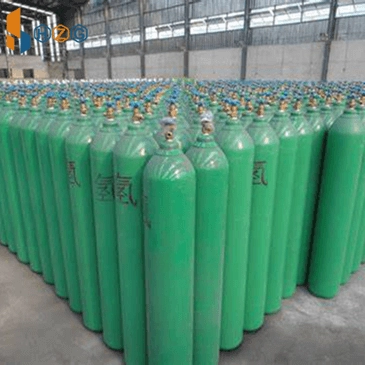
แล้วเราจะเก็บก๊าซเบานี้ไว้ในที่เดียวได้อย่างไร? มีสามหลัก เทคโนโลยีการเก็บกักไฮโดรเจน: ก๊าซ ของเหลว และของแข็ง แต่ละ วิธีการเก็บรักษา มีข้อดีและข้อเสีย ที่พบบ่อยที่สุด เทคโนโลยีการจัดเก็บข้อมูล คือ การเก็บกักก๊าซไฮโดรเจน. สิ่งนี้เกี่ยวข้องกับการบีบแก๊สเข้าไป ถังเก็บ ด้วยแรงกดดันที่สูงมาก
วิธีที่สองคือ การจัดเก็บไฮโดรเจนเหลว. หากคุณทำให้ไฮโดรเจนเย็นลงถึง -253°C มันจะเปลี่ยนเป็นของเหลว ซึ่งจะทำให้คุณสามารถเก็บไฮโดรเจนไว้ในพื้นที่เดียวกันได้มากขึ้น อย่างไรก็ตาม การรักษาความเย็นนั้นต้องใช้พลังงานมาก นี้ การจัดเก็บของเหลว ส่วนใหญ่จะใช้สำหรับจรวดอวกาศหรือการขนส่งเฉพาะทาง
อย่างที่สามและล้ำสมัยที่สุดคือ ที่เก็บข้อมูลโซลิดสเตต. นี้ใช้ วัสดุกักเก็บไฮโดรเจน เพื่อดูดซับก๊าซเหมือนฟองน้ำ ปลอดภัยมาก แต่รถถังก็หนักได้ ขณะที่เราสำรวจ เทคโนโลยีการเก็บกักไฮโดรเจนเราต้องสร้างสมดุลระหว่างน้ำหนัก ต้นทุน และความปลอดภัย เพื่อใช้ในอุตสาหกรรม เหมือนกับที่มาร์คซื้อ ไฮโดรเจนที่ถูกบีบอัด ในความแข็งแกร่ง ถังไฮโดรเจน เป็นมาตรฐาน มันมีความเป็นผู้ใหญ่มากที่สุด เทคโนโลยีการเก็บกักไฮโดรเจน เรามีตอนนี้
ถังเก็บไฮโดรเจนแบบบีบอัดทำงานอย่างไรจริง ๆ ?
มาเจาะลึกกันดีกว่า ไฮโดรเจนที่ถูกบีบอัด. ลองนึกภาพการพยายามใส่ถุงนอนลงในกระสอบเล็กๆ คุณต้องผลักดันอย่างหนัก นั่นคือสิ่งที่เราทำกับ การจัดเก็บไฮโดรเจนที่ถูกบีบอัด. เราใช้คอมเพรสเซอร์เพื่อบังคับก๊าซให้เป็น ถังไฮโดรเจน. นี่ไม่ใช่แค่รถถังธรรมดาเท่านั้น พวกเขาเป็น ภาชนะรับความดัน ออกแบบให้ทนทานต่อแรงมหาศาล
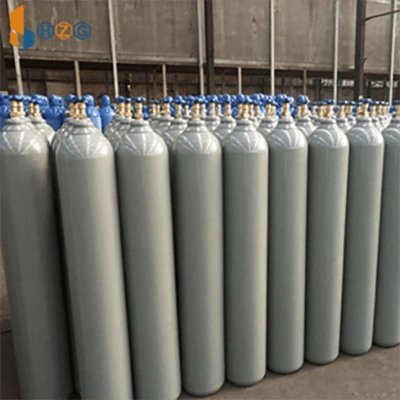
เราวัดความดันนี้เป็น "บาร์" ยางรถยนต์มาตรฐานจะอยู่ที่ประมาณ 2 บาร์ ไฮโดรเจนที่ถูกบีบอัด รถถังมักจะทำงานที่ 350 บาร์หรือแม้แต่ 700 บาร์! นั่นคือความดันบรรยากาศถึง 700 เท่า ด้วยแรงกดดันเหล่านี้ ก๊าซไฮโดรเจน หนาแน่นพอที่จะใช้ประโยชน์ได้ นี้ การเก็บกักไฮโดรเจนแรงดันสูง อนุญาตให้ รถยนต์ไฟฟ้าเซลล์เชื้อเพลิง (FCEV) ให้ขับไปหลายร้อยไมล์
ที่ ระบบกักเก็บไฮโดรเจน ในรถยนต์หรือโรงงานจะต้องมีความแข็งแกร่ง ระบบกักเก็บไฮโดรเจนแบบบีบอัด ใช้วาล์วและตัวควบคุมขั้นสูงเพื่อควบคุมการไหล เมื่อคุณเปิดวาล์ว ไฮโดรเจนที่ถูกบีบอัด รีบออกไปพร้อมที่จะใช้ มันเป็นแนวคิดที่เรียบง่าย แต่วิศวกรรมที่อยู่เบื้องหลังสิ่งเหล่านี้ ถังเก็บไฮโดรเจนแรงดันสูง มีความแม่นยำอย่างเหลือเชื่อ เราต้องมั่นใจว่าทุกๆ ถังไฮโดรเจน ปลอดภัยและเชื่อถือได้
การจัดเก็บไฮโดรเจนเหลวคืออะไร และใช้เมื่อใด?
การจัดเก็บไฮโดรเจนเหลว เป็นแชมป์เฮฟวี่เวทด้านความหนาแน่นของพลังงาน โดยการเปลี่ยนก๊าซให้เป็นของเหลว เราจะเพิ่มความหนาแน่นของมันอย่างมีนัยสำคัญ ซึ่งหมายความว่าเราสามารถใส่พลังงานมากขึ้นลงในพลังงานที่เล็กลงได้ ถังเก็บ. นี่เป็นสิ่งสำคัญสำหรับการใช้งานในพื้นที่จำกัดแต่คุณต้องการพลังงานมาก เช่น ในอวกาศหรือในการขนส่งที่มีน้ำหนักมาก
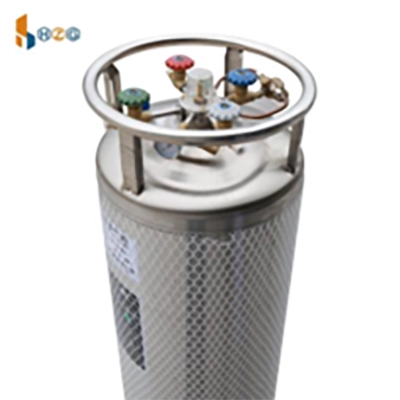
อย่างไรก็ตาม การจัดเก็บไฮโดรเจนเหลว เป็นเรื่องยุ่งยาก คุณต้องมี "ไครโอเจนิกส์" พิเศษ ถังไฮโดรเจน. รถถังนี้ทำหน้าที่เหมือนซุปเปอร์เทอร์โมส มีชั้นฉนวนป้องกันความร้อน หากไฮโดรเจนอุ่นขึ้นแม้เพียงเล็กน้อย มันก็จะเดือดกลับเป็นก๊าซและขยายตัว สิ่งนี้เรียกว่า "การต้ม" การจัดการกับความเดือดนี้ถือเป็นความท้าทายที่สำคัญ ถังเก็บไฮโดรเจนเหลว.
แม้จะมีความท้าทาย การจัดเก็บไฮโดรเจนเหลว มีความสำคัญต่อโลก การจัดหาไฮโดรเจน. เรือที่บรรทุกไฮโดรเจนจำนวนมหาศาลข้ามมหาสมุทรมีแนวโน้มที่จะใช้ การจัดเก็บของเหลว. เป็นวิธีที่มีประสิทธิภาพมากที่สุดในการเคลื่อนย้ายปริมาณมากในระยะทางไกล สำหรับก เศรษฐกิจไฮโดรเจน หากต้องการก้าวไปสู่ระดับโลก เราต้องเชี่ยวชาญ การจัดเก็บไฮโดรเจนเหลว. มันเติมเต็ม การจัดเก็บก๊าซอัด โดยจัดการกับการเดินทางระยะไกล
วัสดุโซลิดสเตตสามารถปฏิวัติการจัดเก็บไฮโดรเจนได้หรือไม่?
จะเป็นอย่างไรถ้าเราไม่ต้องการความกดดันสูงหรือความเย็นจัด? นั่นคือคำมั่นสัญญาของ ที่เก็บข้อมูลโซลิดสเตต. ในวิธีนี้ เราใช้วัสดุพิเศษ เช่น โลหะไฮไดรด์ เพื่อ เก็บไฮโดรเจน. ที่ โมเลกุลไฮโดรเจน จริงๆ แล้วเกิดพันธะกับอะตอมของโลหะ มันเหมือนกับว่าโลหะ "ดูดซับ" ไฮโดรเจน นี้ การจัดเก็บโลหะไฮไดรด์ มีความปลอดภัยอย่างไม่น่าเชื่อเพราะไฮโดรเจนถูกกักขังอยู่ในโครงสร้างแข็ง
หากต้องการกำจัดไฮโดรเจนออกไป คุณเพียงแค่ทำให้วัสดุร้อนขึ้น สิ่งนี้จะปล่อยก๊าซ นี้ วิธีกักเก็บไฮโดรเจน ให้ข้อเสนอสูง ความหนาแน่นของพลังงานเชิงปริมาตรซึ่งหมายความว่าคุณสามารถบรรจุไฮโดรเจนจำนวนมากลงในพื้นที่ขนาดเล็กโดยไม่มีแรงดันสูงได้ การเก็บไฮโดรเจนของโลหะไฮไดรด์ เหมาะสำหรับการใช้งานแบบอยู่กับที่ เช่น พลังงานสำรองสำหรับอาคาร
แต่วัสดุก็มีน้ำหนักมาก ก ถังไฮโดรเจน ที่เต็มไปด้วยผงโลหะมีน้ำหนักมากกว่าถังแก๊สทั่วไปมาก สิ่งนี้ทำให้ ที่เก็บข้อมูลโซลิดสเตต ไม่เหมาะสำหรับรถยนต์ แต่นักวิจัยกำลังทำงานกับสิ่งใหม่ วัสดุสำหรับกักเก็บไฮโดรเจน ที่เบากว่าและเติมได้เร็วกว่า บริเวณนี้ของ เทคโนโลยีการเก็บกักไฮโดรเจน น่าตื่นเต้นเพราะช่วยแก้ปัญหาข้อกังวลด้านความปลอดภัยหลายประการที่เกี่ยวข้องกับแรงดันสูงได้
วัสดุใดบ้างที่ใช้สร้างถังเก็บไฮโดรเจนแรงดันสูง
หากคุณกำลังจะเก็บแก๊สไว้ที่ 700 บาร์ คุณไม่สามารถใช้กระป๋องเก่าที่เป็นสนิมได้ การเก็บไฮโดรเจนแรงดันสูง ต้องใช้วัสดุที่ทันสมัย มีสี่ประเภทหลักคือ ถังไฮโดรเจน การออกแบบจัดเป็น Type I ถึง Type IV
Type I ทำจากเหล็กทั้งหมด มันหนักแต่ราคาถูก นี่คือสิ่งที่เรามักใช้กับเครื่องเขียน ที่เก็บก๊าซ ในโรงงาน Type II มีซับเหล็กหุ้มด้วยไฟเบอร์กลาส มันเบากว่านิดหน่อย Type III มีซับอะลูมิเนียมหุ้มด้วยคาร์บอนไฟเบอร์ ตอนนี้เรากำลังเข้าสู่ดินแดนที่มีเทคโนโลยีสูง
ที่ทันสมัยที่สุดคือ Type IV ถังไฮโดรเจน. ตัวถังนี้มีซับพลาสติกหุ้มด้วยคาร์บอนไฟเบอร์ มันแข็งแกร่งมากและเบามาก นี่คือ ถังไฮโดรเจน ใช้ในสมัยใหม่ ยานพาหนะเซลล์เชื้อเพลิงไฮโดรเจน. เส้นใยคาร์บอนให้ความแข็งแรงในการยึดเกาะ ไฮโดรเจนที่ถูกบีบอัดในขณะที่พลาสติกเก็บก๊าซไว้ข้างใน เหล่านี้ เทคโนโลยีรถถัง มีราคาแพง แต่ก็มีความจำเป็นสำหรับ พลังงานไฮโดรเจน การปฏิวัติ ในฐานะผู้ผลิต ฉันเห็นความต้องการวัสดุคอมโพสิตเหล่านี้ ภาชนะรับความดัน เติบโตทุกปี
เราจะจัดการกับความปลอดภัยและการเกิดรอยเปื้อนของไฮโดรเจนในถังได้อย่างไร
ความปลอดภัยคือข้อกังวลอันดับหนึ่งสำหรับใครก็ตามที่ซื้อก๊าซอุตสาหกรรม มาร์ครู้เรื่องนี้ดี อันตรายเฉพาะประการหนึ่งของไฮโดรเจนคือสิ่งที่เรียกว่า การแตกตัวของไฮโดรเจน. อะตอมของไฮโดรเจนมีขนาดเล็กมากจนสามารถกระดิกเข้าไปในผนังโลหะของ ถังไฮโดรเจน. เมื่อเข้าไปข้างในก็อาจทำให้โลหะเปราะและแตกง่ายได้ มีรอยแตก การเก็บกักไฮโดรเจนแรงดันสูง รถถังคือหายนะที่รอคอยที่จะเกิดขึ้น
เพื่อป้องกัน การแตกตัวของไฮโดรเจนเราต้องระมัดระวังกับวัสดุของเราให้มาก เราใช้โลหะผสมเหล็กชนิดพิเศษนั่นคือ ทนต่อการเปราะของไฮโดรเจน. ในถัง Type IV ไลเนอร์พลาสติกทำหน้าที่เป็นเกราะป้องกันโครงสร้างด้านนอก นอกจากนี้เรายังควบคุมอย่างเคร่งครัด ความดันและอุณหภูมิ ระหว่างการเติมเพื่อลดความเครียด ถังไฮโดรเจน.
ที่ ความปลอดภัยของการเก็บไฮโดรเจน ยังรวมถึงการทดสอบที่เข้มงวดด้วย ทุกๆ ระบบกักเก็บไฮโดรเจน ผ่านการทดสอบการกระแทก การทดสอบการตก และการทดสอบการทนไฟ เราปฏิบัติต่อ พลังงานไฮโดรเจน ด้วยความเคารพ เมื่อจัดการอย่างถูกต้องกับทางขวา เทคโนโลยีการเก็บกักไฮโดรเจนมีความปลอดภัยเท่ากับน้ำมันเบนซินหรือก๊าซธรรมชาติ เราจำเป็นต้องมั่นใจ การจัดเก็บไฮโดรเจนอย่างปลอดภัย เพื่อสร้างความไว้วางใจในตลาด
การจัดเก็บพลังงานไฮโดรเจนมีบทบาทอย่างไรในระบบไฟฟ้าพลังงานทดแทน?
การจัดเก็บพลังงานไฮโดรเจน คือชิ้นส่วนที่หายไปของปริศนาพลังงานหมุนเวียน พระอาทิตย์ไม่ได้ส่องแสงเสมอไป และลมก็ไม่ได้พัดเสมอไป เราต้องการวิธีที่จะเก็บพลังงานนั้นไว้ใช้ในภายหลัง แบตเตอรี่ใช้งานได้ดีในช่วงเวลาสั้นๆ แต่ การจัดเก็บพลังงานไฮโดรเจน ดีที่สุดในระยะยาว
เราสามารถใช้พลังงานลมส่วนเกินในการเดินเครื่องอิเล็กโตรไลเซอร์ได้ พลังงานไฮโดรเจน. เราเก็บไฮโดรเจนนี้ไว้ในถังขนาดใหญ่หรือแม้แต่ในถัง การเก็บไฮโดรเจนใต้ดิน ถ้ำ จากนั้น หลายสัปดาห์หรือหลายเดือนต่อมา เมื่อเราต้องการพลังงาน เราจะให้ไฮโดรเจนผ่าน เซลล์เชื้อเพลิง หรือกังหันเพื่อผลิตไฟฟ้า นี่จะเปลี่ยน พลังงานไฮโดรเจน ให้เป็นแบตเตอรี่ขนาดใหญ่สำหรับโครงข่ายไฟฟ้า
แอปพลิเคชั่นนี้ทำให้ พลังงานไฮโดรเจน ผู้เล่นคนสำคัญใน การเปลี่ยนแปลงพลังงาน. ทำให้เราสามารถใช้งานได้มากขึ้น พลังงานหมุนเวียน โดยไม่ต้องกังวลเรื่องไฟดับ สำหรับพื้นที่อุตสาหกรรม ต้องมี การจัดเก็บพลังงานไฮโดรเจน ระบบหมายความว่าคุณมีพลังงานสำรองที่สะอาดและเชื่อถือได้ มันช่วยลด การใช้พลังงาน จากกริดและลดการปล่อยก๊าซคาร์บอน
อนาคตของเศรษฐกิจไฮโดรเจนและโครงสร้างพื้นฐานคืออะไร?
อนาคตที่สดใสสำหรับ พลังงานไฮโดรเจน. เราเห็นแรงผลักดันจากทั่วโลกในการสร้าง โครงสร้างพื้นฐานของไฮโดรเจน. ซึ่งหมายความว่าจะมีท่อส่งน้ำมันมากขึ้น มีสถานีเติมน้ำมันมากขึ้น และดีขึ้น การจัดเก็บและขนส่งไฮโดรเจน เครือข่าย ที่ กรมพลังงาน และรัฐบาลทั่วโลกกำลังลงทุนหลายพันล้านเพื่อสร้าง เศรษฐกิจไฮโดรเจน ความเป็นจริง
เราจะเห็นความก้าวหน้าในด้าน เทคโนโลยีการเก็บกักไฮโดรเจน. รถถังจะเบาลงและราคาถูกลง ตัวพาไฮโดรเจนอินทรีย์เหลว (LOHCs) อาจช่วยให้เราขนส่งไฮโดรเจนเป็นของเหลวคล้ายน้ำมันได้ที่อุณหภูมิปกติ เซลล์เชื้อเพลิงไฮโดรเจนไฟฟ้า ยานพาหนะจะกลายเป็นเรื่องธรรมดามากขึ้นบนถนนของเรา
สำหรับเจ้าของธุรกิจ นี่คือโอกาส ความต้องการ พลังงานไฮโดรเจน อุปกรณ์จาก ถังเก็บ ถึง ก๊าซชนิดพิเศษที่มีความบริสุทธิ์สูงจะพุ่งสูงขึ้น ผู้ที่ลงทุนใน พลังงานไฮโดรเจน ตอนนี้จะเป็นผู้นำตลาด เรากำลังก้าวไปสู่โลกที่ พลังงานไฮโดรเจน ขับเคลื่อนโรงงาน รถบรรทุก และบ้านของเรา ถือเป็นช่วงเวลาที่น่าตื่นเต้นในธุรกิจก๊าซ
ประเด็นสำคัญ
- พลังงานไฮโดรเจนเป็นตัวพาพลังงาน: มันกักเก็บพลังงานที่ผลิตจากแหล่งอื่นซึ่งทำหน้าที่เหมือนแบตเตอรี่ที่สะอาดและมีความหนาแน่นสูงสำหรับโลก
- เทคโนโลยีการจัดเก็บข้อมูลหลักสามประการ: เราเก็บไฮโดรเจนไว้เป็น ก๊าซอัด, ก ของเหลวแช่แข็งหรือใน วัสดุโซลิดสเตต.
- ไฮโดรเจนอัดเป็นมาตรฐาน: สำหรับการใช้งานในปัจจุบันส่วนใหญ่ การเก็บกักไฮโดรเจนแรงดันสูง ในถังคาร์บอนไฟเบอร์ (ประเภท III และ IV) เป็นวิธีการแก้ปัญหาที่มีประสิทธิภาพสูงสุด
- ความปลอดภัยเป็นสิ่งสำคัญยิ่ง: เราต้องใช้วัสดุที่ทนทานต่อ การแตกตัวของไฮโดรเจน และปฏิบัติตามระเบียบการที่เข้มงวดเพื่อให้มั่นใจว่า ความปลอดภัยของไฮโดรเจน ระบบ
- การเปิดใช้งานพลังงานหมุนเวียน: การจัดเก็บพลังงานไฮโดรเจน ช่วยให้เราสามารถกักเก็บพลังงานทดแทนจำนวนมหาศาลได้เป็นระยะเวลานาน เพื่อสร้างสมดุลให้กับโครงข่ายไฟฟ้า
- การเติบโตของโครงสร้างพื้นฐาน: ที่ เศรษฐกิจไฮโดรเจน กำลังขยายตัวด้วยการลงทุนมหาศาลใน การผลิตไฮโดรเจน, ถังเก็บและเครือข่ายการคมนาคมทั่วโลก