Pituduh Penting Anjeun pikeun Panyimpenan Aman sareng Nanganan Tabung Gas Dikomprés
Kantos ningali tanghi logam anu jangkung sareng kuat di bengkel, laboratorium, atanapi pabrik? Éta téh tabung gass, mindeng ngayakeun tabung gas dikompréss dina tekanan bener tinggi. Éta ngandung sagala sorts gas, ti paporit sapopoé kawas oksigén jeung nitrogén kana husus gas campuran dipaké dina pakasaban kompléks. Bari luar biasa mangpaatna, silinder ieu pak hiji punch énergi poténsial sarta bisa ngandung zat anu kaduruk, korosif, atawa pangoksidasi. Ieu ngandung harti yén aranjeunna kedah dirawat kalayan hormat sareng diurus kalayan ati-ati. Diajar kumaha leres toko jeung nanganan silinder ieu teu ngan mangrupakeun ide nu sae; Éta penting pisan pikeun ngajaga sadayana aman sareng nyegah kacilakaan. Tulisan ieu mangrupikeun pituduh anu ramah pikeun ngartos kaamanan silinder, nyertakeun dasar-dasar kumaha nyimpen tabung gas anu dikomprés sacara aman, bahaya naon anu kedah diperhatoskeun, sareng aturan penting naon, sapertos OSHA, anu anjeun kedah laksanakeun. Maca ieu bakal masihan anjeun pangaweruh anu anjeun peryogikeun pikeun damel aman sareng wadah anu kuat ieu unggal dinten.
Naon Sabenerna Silinder Gas sareng Naha Kasalametan Éta Penting?
A tabung gas dasarna mangrupa kuat, wadahna kandel-walled dirancang pikeun nahan gas atawa campuran tina gases dina tekanan tinggi. Pikirkeun éta sapertos botol super-tangguh anu ngajaga gas squeezed kana rohangan leutik. Hal ieu ngamungkinkeun urang pikeun toko jumlah badag gas merenah pikeun sagala rupa kagunaan, ti laslogam pikeun suplai médis oksigén. Ieu tabung gas dikompréss penting dina industri countless komo pikeun sababaraha kagunaan pribadi.
Alesan kaamanan silinder nyaeta jadi incredibly penting turun ka alam eusi jeung tekanan jero. Lamun a tabung gas ruksak atawa diurus teu bener, sékrési dadakan gas dikomprés bisa ngarobah silinder kana projectile bahaya, atawa gas sorangan bisa mangrupa bahaya lamun éta toksik, kaduruk, atawa displaces oksigén. Leres penanganan sarta neundeun téhnik nu non-negotiable pikeun nyegah kacilakaan sarta mastikeun dulur urang kaséhatan sarta kaamanan. Kami, salaku pabrik, usaha anu ageung pikeun mastikeun silinder kami diproduksi ku standar anu ketat, tapi panggunaan anu aman gumantung kana kumaha aranjeunna diurus nalika aranjeunna kaluar tina fasilitas kami.
Naon Poténsi Bahaya Nalika Gawé sareng Silinder Gas?
Gawe sareng tabung gass ngalibatkeun sababaraha bahaya poténsial, sarta pamahaman hazards ieu lengkah kahiji dina nyegah kacilakaan. Hiji jurusan bahaya nyaeta tekanan tinggi di jero tabung gas. Upami klep pegat atanapi témbok silinder dikompromi, énergi anu disimpen tiasa nyababkeun sékrési anu kuat sareng teu kakontrol. gas, berpotensi ngarobah silinder kana rokét.
Lain signifikan bahaya gumantung kana jenis gas jero. A gas kaduruk siga hidrogén atawa asetilena bisa gampang hurung, ngabalukarkeun kahuruan atawa ngabeledug. Anu gas pangoksidasi siga oksigén teu kaduruk sorangan, tapi bisa nyieun bahan séjén kaduruk leuwih intensely tur gancang. Gas inert kawas nitrogén atawa argon bisa mindahkeun oksigén dina rohangan kakurung, ngarah ka sesak napas. Gas beracun, tangtosna, beracun. Malah gas non-toksik, non-kaduruk dina tekanan tinggi bisa ngabalukarkeun kaduruk tiis lamun aranjeunna kabur gancang. Ngartos sipat husus tina gas dina silinder nyaeta krusial, naha éta salawasna pariksa labél jeung maca data kaamanan lambaran penting.
Naon Aturan OSHA Utama Anu Anjeun Kedah Nyaho pikeun Kasalametan Silinder?
The Administrasi Kasalametan sareng Kaséhatan Pekerjaan (OSHA) di AS susunan aturan penting ngajaga pagawe, jeung maranéhna boga standar husus ngeunaan gas dikomprés jeung wadah maranéhanana. Aturan ieu dirancang pikeun ngaminimalkeun résiko anu aya hubunganana penanganan jeung neundeun gas dikomprés silinder di gaw. Nurutan OSHA tungtunan henteu ngan ngeunaan patuh; Ieu ngeunaan nyalametkeun nyawa jeung nyegah tatu.
Sababaraha konci OSHA syarat kaasup aturan ngeunaan kumaha carana nyimpen tabung gas, kumaha aranjeunna kedah diamankeun, sareng kumaha cara anu leres nanganan tabung gas. Contona, OSHA meryogikeun yén silinder kedah diamankeun pikeun nyegah ragrag, sapertos nganggo ranté atanapi tali. Éta ogé nangtukeun jarak antara silinder ngandung kelas bahaya béda bari di aréa neundeuns. Nyaho ieu peraturan pikeun tabung gas penting pikeun mastikeun lingkungan kerja anu aman pikeun sadayana anu ngurus wadah anu kuat ieu. Salawasna tingal panganyarna OSHA standar pikeun inpormasi anu paling up-to-date.
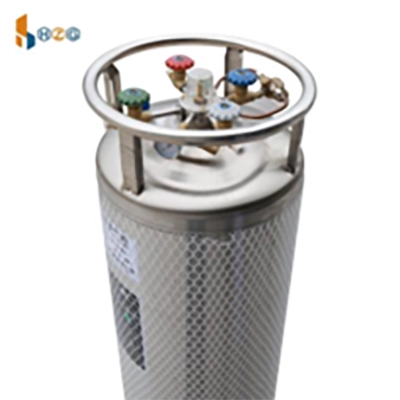
Kumaha anjeun kedah leres nanganan tabung gas?
Leres nanganan tabung gas dikomprés penting pisan pikeun nyegah karuksakan anu bisa ngakibatkeun kaayaan bahaya. Anjeun pernah kedah leupaskeun, gulung, atawa sered a tabung gas. Cara anu bener pikeun mindahkeun a tabung gas nyaeta ku ngagunakeun a silinder ditangtoskeun karanjang husus dirancang pikeun beurat silinder. Amankeun silinder kana karanjang sateuacan mindahkeun éta.
Salawasna ngubaran unggal tabung gas saolah-olah pinuh sarta dina tekanan tinggi. Pastikeun tutup klep pelindung dipasang nalika silinder teu nyambung kanggo dianggo sareng nalika dipindahkeun atanapi tokod. Pernah make cap pikeun ngangkat silinder. Penanganan anu teu leres mangrupakeun panyabab utama kacilakaan silinder, ku kituna nyéépkeun waktos nganggo téknik anu leres unggal waktos mangrupikeun hal anu penting. Émut, bahkan silinder anu sigana kosong tiasa ngandung tekanan sésa.
Dimana Tempat Safest pikeun Nyimpen Silinder Gas Dikomprés?
Milih lokasi katuhu pikeun nyimpen tabung gas dikomprés sagampil kritis sakumaha nanganan aranjeunna leres. A ditunjuk neundeun silinder wewengkon kudu bersih, garing, well-ventilated, sarta jauh ti sumber panas, sparks, atawa seuneu muka. Éta kedah janten tempat dimana silinder ditangtayungan tina cuaca, gangguan, sareng karusakan tina kendaraan atanapi barang anu murag.
Silinder kudu silinder aman nangtung pikeun nyegah aranjeunna tina tipping leuwih. Ranté, tali, atanapi rak anu kuat mangrupikeun cara anu efektif silinder aman. Béda jinis gas, khususna anu teu cocog sapertos silinder oksigén jeung tabung gas kaduruk, kudu disimpen misah pikeun nyegah réaksi bahaya bisi bocor. A jarak aman, mindeng dieusian ku OSHA atawa prakték pangalusna industri, kudu dijaga antara kelas bahaya béda tina silinder. Jelas tandana aréa neundeun sarta mastikeun ngan tanaga dilatih boga aksés.
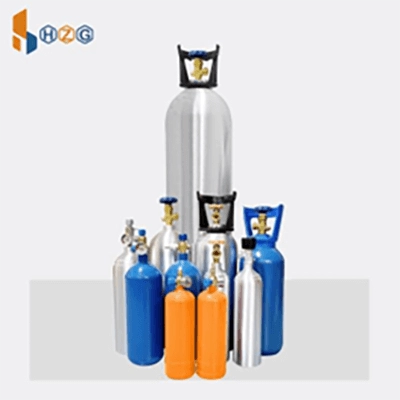
Aya Aturan Spésifik pikeun Rupa-rupa Gas?
Leres pisan! Sedengkeun umum kaamanan silinder aturan dilarapkeun ka sadaya tabung gass, jenis husus tina gas merlukeun precautions tambahan alatan sipat alamiah maranéhanana. Ngarti kana jenis gas jero silinder nyaeta krusial pikeun nerapkeun bener precautions kaamanan.
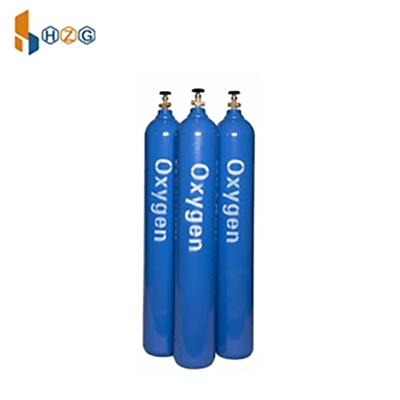
Salaku conto, tabung gas kaduruk kudu disimpen jauh ti sumber ignition jeung bahan incompatible. Silinder oksigén, salaku gas pangoksidasi, kudu disimpen misah ti bahan kaduruk, minyak, jeung gajih, sakumaha oksigén greatly ngaronjatkeun durukan. Gas corrosive merlukeun silinder dijieunna tina bahan luyu jeung régulator husus. Gas beracun kedah disimpen di daérah kalayan ventilasi sareng pangawas tambahan. Sok konsultasi ka lambar data kaamanan (SDS) pikeun husus gas Anjeun anggo pikeun ngartos bahaya unik sareng penanganan anu diperyogikeun sareng neundeun tabung gas dikomprés prosedur.
Kumaha Anjeun Ngangkut Silinder Gas Aman?
Ngaléngkah tabung gass, atawa transporting silinder, sanajan jarak pondok dina fasilitas, merlukeun adherence ketat kana protokol kaamanan. Salaku disebutkeun tadi, salawasna make a karanjang silinder ditangtoskeun kalawan mékanisme aman pikeun nahan silinder nu. Entong nyobian nyandak atanapi ngagulung silinder ku panangan upami éta dirarancang khusus pikeun éta, sapertos sababaraha médis anu langkung alit. tabung gass (malah lajeng, make caution!).
Nalika ngangkut silinder dina kandaraan, aranjeunna kedah diamankeun leres pikeun nyegah aranjeunna tina tipping, rolling, atanapi shifting. Pastikeun tutup klep pelindung dihurungkeun sareng silinder dina posisi tegak. Ventilasi oge konci, utamana lamun transporting silinder di jero kandaraan anu ditutupan. Hindarkeun ngangkut gas anu teu cocog babarengan. Nyandak potong kompas nalika transporting silinder nyata ngaronjatkeun résiko ragrag, ngaruksak, atawa teu bener ngamankeun silinder, nu mana wae nu bisa ngakibatkeun kacilakaan parna.
Naon Alat Pelindung Pribadi (PPE) Anu Dibutuhkeun?
Ngagunakeun alat pelindung pribadi (PPE) anu leres mangrupikeun bagian dasar penanganan aman jeung pamakéan gas dikomprés silinder. PPE nyayogikeun lapisan panyalindungan ngalawan poténsi bahaya sapertos percikan cairan cryogenic, sékrési gas tekanan tinggi, atanapi dampak tina objék anu ragrag.
Sahenteuna, pagawe kedah ngagem kacamata kaamanan atawa tameng raray pikeun nangtayungan panon jeung beungeutna tina potensi pelepasan gas atawa lebu ngalayang. Sarung tangan tugas beurat tiasa ngajaga leungeun anjeun nalika nanganan silinder, khususna anu tiis atanapi permukaanna kasar. sapatu kaamanan jeung toes bertulang disarankeun pikeun ngajaga suku anjeun tina beurat silinder lamun hiji bakal turun. PPE spésifik anu diperyogikeun tiasa bénten-béda gumantung kana jenis gas jeung tugas keur dipigawé, jadi sok tingal SDS jeung pausahaan anjeun kaséhatan sarta kaamanan pituduh. Nganggo PPE anu leres mangrupikeun cara anu sederhana tapi efektif pikeun ngaminimalkeun résiko nalika kaayaan silinder gas.
Naha Pelatihan Penting pikeun Penanganan sareng Panyimpen anu Aman?
Sanaos aturan anu jelas sareng alat anu leres, kacilakaan tiasa kajantenan upami personel henteu dilatih sacara cekap. latihan komprehensif nyaéta cornerstone tina kaamanan silinder gas. Saha waé anu nanganan, ngangkut, ngahubungkeun, atanapi nyimpen tabung gass kedah ngartos kumaha carana aman ngalakukeunana.
Latihan kedah nutupan ngaidentipikasi sababaraha jinis gas sareng bahayana, ngartos régulator tekanan sareng klep, terang kumaha mariksa silinder pikeun karusakan, ngagunakeun téknik angkat sareng gerak anu leres, sareng nuturkeun anu leres. neundeun silinder prosedur. Prosedur darurat, kalebet naon anu kedah dilakukeun upami aya bocor atanapi kahuruan, ogé kedah janten bagian tina pelatihan. Refreshers biasa penting pikeun mastikeun pangaweruh tetep ayeuna. Investasi dina latihan mangrupa investasi dina kaamanan jeung efisiensi, nyegah kacilakaan ongkosna mahal disababkeun ku mishandling tabung gas dikomprés.
Mitrakeun sareng Panyadia anu Terpercaya pikeun Tabung Gas Industri Aman
Salaku batur ti pabrik anu ngahasilkeun tabung gas industri, Abdi tiasa ngabejaan Anjeun yen bari urang mastikeun kualitas sarta kaamanan tina silinder sateuacan aranjeunna ninggalkeun fasilitas urang, pamakéan aman gumantung pisan kana prakték customer urang. Milih hiji supplier nu teu ukur nyadiakeun gas kualitas luhur tapi ogé ngartos sareng ngamajukeun kaamanan silinder nyaeta krusial. Kami mastikeun silinder kami diproduksi sareng dijaga dumasar kana standar internasional.
A supplier alus nyadiakeun silinder dina kaayaan alus teuing, jelas dilabélan jeung jenis gas sareng inpormasi bahaya anu relevan. Aranjeunna kedah nawiskeun atanapi nyarankeun sumber pelatihan sareng nyayogikeun anu gampang diaksés lambar data kaamanan pikeun sakabéh gas aranjeunna nyadiakeun. Logistik ogé konci - angkutan dipercaya ngaminimalkeun résiko karuksakan nalika pangiriman. Urang kerja keras pikeun mastikeun kami tabung gas diurus aman dugi aranjeunna ngahontal anjeun, tapi éta partnership a. Ku nuturkeun penanganan aman tur neundeun prakték, Anjeun ngalengkepan ranté kaamanan pikeun tabung gas di gaw. Parios halaman produk kami pikeun detil ngeunaan silinder khusus sapertos kami Silinder oksigén atawa silinder nitrogén, mastikeun aranjeunna minuhan standar diperlukeun pikeun pamakéan aman. Urang nawiskeun ogé lega rentang gas industri pikeun nyumponan rupa-rupa kabutuhan sacara aman.
Nanganan jeung neundeun tabung gas dikompréss aman mangrupakeun tanggung jawab fundamental pikeun saha gawé bareng bahan ieu. Merlukeun pamahaman poténsi bahya, nuturkeun aturan jeung peraturan ngadegkeun (sapertos ti OSHA), ngagunakeun alat sareng téknik anu pas pikeun nanganan jeung nyimpen gas dikomprés, sareng mastikeun yén sadaya personel dilatih cekap. Ti ngamankeun silinder nangtung dina ditunjuk neundeun jeung penanganan silinder wewengkon pikeun ngagem PPE luyu sareng konsultasi lambar data kaamanan, unggal léngkah penting. Ku prioritizing neundeun jeung penanganan aman, Anjeun ngajaga diri, kolega Anjeun, jeung fasilitas Anjeun, mastikeun yén genah tur utilitas tina tabung gass bisa ngarasakeun tanpa resiko perlu. Inget, nalika nungkulan tabung gass, kaamanan salawasna datang munggaran. Pikeun langkung seueur ngeunaan jinis gas khusus sareng silinderna, jelajah kami Silinder karbon dioksida jeung Silinder hidrogén pilihan. Urang ogé nyadiakeun Campuran gass dina silinder, nu ogé merlukeun penanganan ati.
Takeaways konci pikeun Kasalametan Silinder Gas:
- Silinder gass ngandung-tekanan luhur gas sareng kedah diurus kalayan ati-ati.
- Poténsi bahayas kaasup tekanan tinggi, flammability, oksidasi, karacunan, sarta kapindahan oksigén.
- Nuturkeun OSHA peraturan pikeun neundeun tabung gas dikomprés, securing aranjeunna nangtung dina ditunjuk aréa neundeun.
- Salawasna ngagunakeun a silinder ditangtoskeun karanjang nalika mindahkeun silinder; pernah leupaskeun, gulung, atawa sered aranjeunna.
- Gas béda (bisa kaduruk, pangoksidasi, jsb) boga husus neundeun jeung penanganan syarat sareng kedah sering dipisahkeun.
- PPE anu leres, kalebet kacamata kaamanan jeung sarung, penting lamun kaayaan silinder gas.
- Latihan komprehensif di penanganan aman jeung pamakéan tabung gas dikomprés wajib pikeun sakabéh personil.
- Mitra sareng supplier dipercaya anu nyayogikeun silinder kualitas sareng ngadukung anjeun kaamanan silinder usaha.
- Sok konsultasi ka lambar data kaamanan pikeun husus gas sipat sarta precautions.
- Pastikeun tutup klep hurung nalika silinder henteu dianggo atanapi digerakkeun.