Gas husus pikeun Semikonduktor
Industri semikonduktor, salaku inti tina pamekaran téknologi modéren, ngalibatkeun seueur gas precision tinggi sareng purity tinggi dina prosés manufaktur na. Gas khusus pikeun semikonduktor nujul kana gas anu maénkeun peran konci dina produksi bahan semikonduktor, manufaktur chip, déposisi pilem ipis, etching, sareng prosés sanésna. Gas ieu kedah nyumponan sarat anu ketat pikeun kamurnian, stabilitas, sareng kontrol anu tepat dina prosés réaksi. Tulisan ieu bakal ngenalkeun sababaraha gas khusus anu biasa dianggo dina semikonduktor sareng ngabahas peranna dina prosés manufaktur semikonduktor.
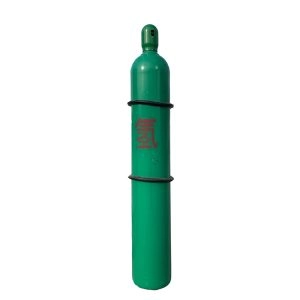
- Hidrogen (H₂)
hidrogén loba dipaké dina manufaktur semikonduktor, utamana dina déposisi uap kimia (CVD) jeung réaksi réduksi. Dina CVD, hidrogén mindeng dicampurkeun jeung gas séjén pikeun tumuwuh film ipis, kayaning film silikon. Hidrogen ogé tindakan minangka agén pangréduksi dina prosés déposisi logam sareng panyabutan oksida. Salaku tambahan, hidrogén dianggo dina ngabersihkeun sareng ngarawat wafer semikonduktor pikeun sacara efektif ngaleungitkeun kontaminasi permukaan sareng ningkatkeun kualitas chip.
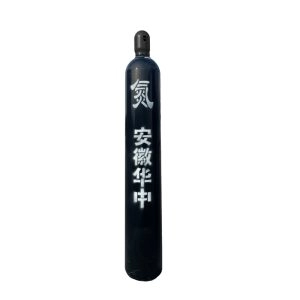
- Nitrogén (N₂)
Nitrogén, gas inert, utamana dipaké pikeun nyadiakeun lingkungan bébas oksigén dina manufaktur semikonduktor. Biasana dianggo dina beberesih alat, prosés pendinginan, sareng salaku éncér dina atmosfir réaksi. Dina prosés déposisi uap sareng étsa, nitrogén sering dicampur sareng gas sanés pikeun nyaimbangkeun kaayaan réaksi sareng ngontrol laju réaksi. Nitrogén ogé dipaké pikeun ngurangan oksidasi, ngajaga bahan sénsitip tina karuksakan oksidasi.
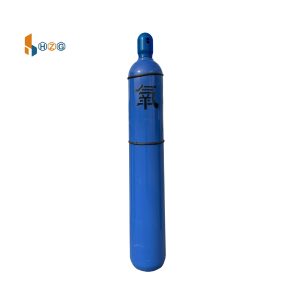
- Oksigén (O₂)
Oksigén muterkeun hiji peran krusial dina industri semikonduktor, utamana dina prosés oksidasi. Dina formasi lapisan silikon dioksida dina beungeut wafers silikon, oksigén penting. Ku ngawanohkeun oksigén, lapisan oksida seragam kabentuk dina beungeut silikon, nu penting pisan pikeun kinerja listrik jeung stabilitas alat. Oksigén ogé dipaké dina prosés beberesih sarta etching, ngaréaksikeun jeung gas kimia lianna pikeun ngabentuk oksida atawa miceun film logam tangtu.
- Karbon Tétrafluorida (CF₄)
Karbon tetrafluorida loba dipaké dina prosés etching. Dina etching semikonduktor, CF₄ dicampurkeun jeung gas séjén pikeun éféktif miceun film ipis silikon, silikon nitride, logam, jeung bahan séjén. Nalika CF₄ ngagabungkeun jeung fluorine, éta ngabentuk fluorida, nu boga réaktivitas kuat tur éfisién bisa etch bahan target. Gas ieu penting pisan pikeun etching pola precision tinggi dina produksi sirkuit terpadu.
- Hidrogen Klorida (HCl)
Gas hidrogén klorida utamana dipaké salaku gas etching, utamana dina etching bahan logam. Ieu meta jeung film logam pikeun ngabentuk klorida, sahingga lapisan logam bisa dihapus. Prosés ieu loba dipaké dina patterning film logam ipis, mastikeun precision tina struktur chip.
- Nitrogén Trifluorida (NF₃)
Nitrogén trifluoride utamana dipaké pikeun ngabersihan résidu déposisi dina parabot etching plasma. Dina prosés étsa plasma, NF₃ ngaréaksikeun sareng bahan anu disimpen (sapertos silikon fluorida) ngabentuk fluorida anu gampang dicabut. Gas ieu kacida éfisiénna dina prosés beberesih, ngabantosan ngajaga kabersihan alat etching sareng ningkatkeun akurasi sareng efisiensi prosés manufaktur.
- Silana (SiH₄)
Silane mangrupikeun gas anu biasa dianggo dina déposisi uap kimia (CVD), khususna pikeun neundeun pilem ipis silikon. Silane decomposes dina suhu luhur pikeun ngabentuk film silikon dina beungeut substrat, nu krusial dina manufaktur semikonduktor. Ku nyaluyukeun aliran silane jeung kaayaan réaksi, laju déposisi jeung kualitas pilem bisa persis dikawasa.
- Boron Trifluorida (BF₃)
Boron trifluoride mangrupa gas doping penting, ilaharna dipaké dina prosés doping boron dina manufaktur semikonduktor. Hal ieu dipaké pikeun nyaluyukeun sipat listrik kristal ku ngaréaksikeun jeung substrat silikon pikeun ngabentuk lapisan doping nu dipikahoyong. Prosés doping boron penting pisan pikeun nyieun bahan semikonduktor tipe-P, sarta gas BF₃ maénkeun peran kritis dina prosés ieu.
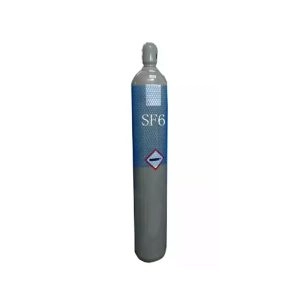
- Sulfur Héksafluorida (SF₆)
Walirang heksafluorida utamana dipaké dina prosés etching semikonduktor, utamana dina etching-precision tinggi. Kusabab sipat insulasi listrik anu luhur sareng stabilitas kimia, SF₆ tiasa digabungkeun sareng gas-gas sanés pikeun ngahapus film bahan sareng mastikeun pola anu tepat. Hal ieu ogé loba dipaké dina etching ion, éfisién nyoplokkeun film logam nu teu dihoyongkeun.
kacindekan
Gas husus pikeun semikonduktor muterkeun hiji peran irreplaceable dina manufaktur sirkuit terpadu. Nalika téknologi terus maju, paménta pikeun kamurnian anu langkung luhur sareng kinerja gas ieu ningkat, nyababkeun para supplier pikeun terus-terusan ngaoptimalkeun kualitas sareng jinis gas. Dina mangsa nu bakal datang, industri semikonduktor bakal terus ngandelkeun gas husus ieu pikeun ngarojong produksi chip generasi saterusna sarta inovasi téhnologis. Ku alatan éta, pamahaman jeung nerapkeun gas husus semikonduktor bakal jadi kritis dina nyetir ngembangkeun kontinyu industri semikonduktor.