
Laporan Ukuran & Analisis Pasar Gas Industri: Pitunjuk Pertumbuhan 2025 anjeun
Pasar gas industri global mangrupikeun bagian anu ageung, kompleks, sareng penting pisan pikeun manufaktur modern, kasehatan, sareng téknologi. Pikeun pamilik usaha sareng patugas pengadaan sapertos anjeun, ngartos arus pasar ieu sanés ngan ukur akademik — éta penting pikeun nyandak kaputusan anu pinter sareng nguntungkeun. Laporan analisis ieu teuleum jero kana ukuran pasar gas industri, panggerak pertumbuhan konci, pamaén utama, sareng tren anu bakal datang. Maca ieu bakal ngalengkepan anjeun pangaweruh pikeun nganapigasi pasar kalayan yakin, ngahindarkeun pitfalls umum, sareng milari pasangan suplai anu tiasa dipercaya pikeun ngabantosan bisnis anjeun maju.
Naon Persisna Gas Industri sareng Naha Éta Penting?
Hayu urang mimitian ku dasar. Naon ari gas industri? Kantun nempatkeun, aranjeunna mangrupikeun bahan gas anu didamel pikeun dianggo dina sajumlah ageung prosés industri. Ieu sanés ngan ukur hawa anu urang hirup; aranjeunna gas husus, mindeng dipisahkeun jeung dimurnikeun kana standar kacida luhurna. Paling umum gas industri nyaéta oksigén, nitrogén, argon, hidrogén, karbon dioksida, jeung hélium. Saluareun ieu, aya ratusan gas husus jeung campuran dirancang pikeun pisan husus, aplikasi tinggi-tech. Gas-gas penting ieu mangrupikeun tenaga kerja anu teu katingali tina ékonomi global.
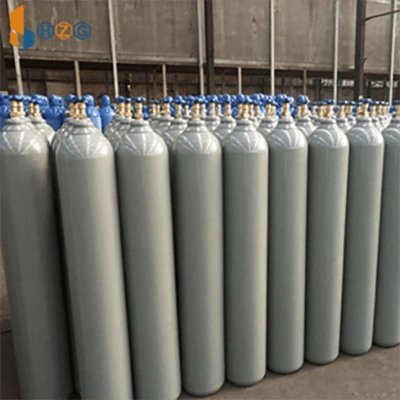
Naha aranjeunna penting pisan? Pikirkeun deui. Kadaharan seger anu anjeun mésér sering diawetkeun kalayan nitrogén. Mobil anu anjeun nyetir dilas nganggo gas pelindung sapertos argon. Prosedur médis nyalametkeun hirup di rumah sakit ngandelkeun gas médis-purity tinggi. Smartphone dina saku anjeun? Microchips na dijieun maké Asép Sunandar Sunarya kompléks gas husus. Ti laboratorium pangleutikna nepi ka pabrik panggedéna, industri ngandelkeun gas industri unggal poe. Anu konsisten suplai gas industri mangrupa nyawa pikeun sakabéh séktor industri. Ruang lingkup tina gas industri pasar, kituna, langsung dihijikeun ka kaséhatan manufaktur global jeung kamajuan téhnologis.
Sakumaha ageung Pasar Gas Industri Global Kiwari?
Ngartos skala industri ieu mangrupikeun konci pikeun ngahargaan pentingna. The pasar gas industri global nyaeta powerhouse a. Numutkeun hiji panganyarna laporan tumuwuhna ku Grand Témbongkeun Panalungtikan, éta ukuran pasar gas industri global ieu hargana dina USD 106,3 milyar dina 2023. Éta mangrupikeun angka anu ageung, nunjukkeun kumaha integral produk ieu kana ékonomi dunya. The ukuran pasar ngagambarkeun gede pisan paménta pikeun gas industri ti countless industri pamakéan tungtung.
pangajen ieu lain ngan hiji angka; eta ngagambarkeun jutaan ton gas kawas oksigén, nitrogén, jeung argon keur dihasilkeun, disebarkeun, sarta dikonsumsi. The ukuran pasar gas industri mangrupa indikator jelas kagiatan industri. Nalika manufaktur booming, kitu ogé pasar pikeun gas industri. inohong ieu ngawengku sagalana ti diobral tina volume badag gas dikirimkeun via pipa ka silinder individu dijual ka usaha leutik. Salaku bakal urang tingali, ieu geus impressive ukuran pasar disetél rék dilegakeun malah leuwih dina taun datang.
Naon Anu Ngadorong Pertumbuhan Pasar Gas Industri?
The pasar gas industri henteu statik; éta dinamis sarta tumuwuh. Sababaraha faktor konci ngajalankeun tumuwuhna pasar. Salah sahiji panggerak pangbadagna nyaéta industrialisasi gancang dina ékonomi anu muncul. Nalika nagara ngawangun manufaktur, infrastruktur, sareng sistem kasehatan, aranjeunna kabutuhan gas industri skyrockets. Ieu nyiptakeun signifikan kasempetan pikeun tumuwuh pasar, utamana pikeun suppliers anu bisa nyadiakeun produk dipercaya jeung ongkos-éféktif.
Faktor utama sanésna nyaéta paningkatan paménta ti séktor kasehatan. Krisis kaséhatan global anyar negeskeun peran kritis gas médis, utamana oksigén. Tapi saluareun kaayaan darurat, populasi global anu sepuh sareng kamajuan dina téknologi médis ngarah kana paningkatan anu terus-terusan dina panggunaan sababaraha kelas médis. gas industri. Saterusna, paménta insatiable industri éléktronik pikeun leutik, komponén leuwih kuat merlukeun ultra-luhur-purity. gas-gas pikeun manufaktur semikonduktor sareng tampilan panel datar. inovasi kontinyu Ieu mesin kuat pikeun tumuwuhna pasar ieu. Perluasan dahareun jeung industri inuman, anu ngagunakeun gas pikeun bungkusan, katirisan, sareng karbonasi, ogé nyumbang sacara signifikan kana tumuwuhna pasar.
The pasar gas industri global boga sababaraha kacida gedéna, pamaén well-dipikawanoh. Pausahaan kawas Linde plc, Air Liquide, sareng Air Products and Chemicals, Inc pangsa pasar. Perusahaan multinasional ieu gaduh jaringan produksi sareng distribusi anu éksténsif, sareng sering ngadominasi pasar di daérah maju sapertos Amérika Kalér sareng Éropa. Skala maranéhanana ngamungkinkeun aranjeunna pikeun investasi beurat dina panalungtikan sarta pamekaran sarta ngamankeun kontrak badag skala ka suplai gas industri.
Sanajan kitu, bentang nu leuwih bernuansa ti ngan sababaraha raksasa ieu. The sektor gas industri ogé ngawengku pamaén régional kuat sarta pohara efisien, pabrik husus. Salaku conto, perusahaan sapertos Yingde Gas Grup Company di Cina geus jadi kakuatan utama, reflecting shift dina manufaktur global. Salaku supplier B2B basis pabrik di Cina, kami di Huazhong Gas mangrupakeun bagian tina ékosistem dinamis ieu. Urang difokuskeun nyadiakeun-purity tinggi gas industri kalawan efisiensi sarta kalenturan nu boga usaha kawas nilai Mark Shen. Sedengkeun Linde bisa boga sakabéh gedé pangsa pasar gas industri, pabrik husus mindeng bisa nawiskeun harga leuwih kalapa jeung komunikasi langsung-ti-nu-sumber, nu mangrupakeun kaunggulan utama pikeun pembeli savvy. The pausahaan operasi di pasar rupa-rupa, nawiskeun pilihan pikeun unggal jinis palanggan.
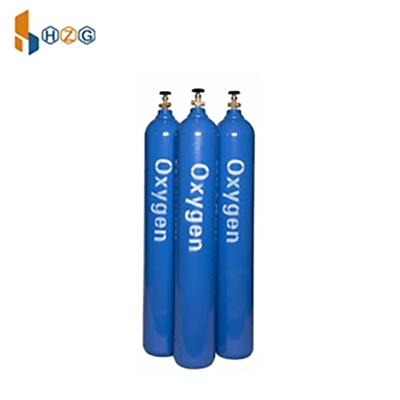
Naon Aplikasi Utama Gas Industri Di Sakuliah Séktor?
Nilai sabenerna tina industri gas industri katingal dina aplikasi na incredibly beragam. Gas industri maén peran vital, sanajan mindeng halimunan, dina ampir unggal aspék kahirupan modern. Ieu mah sakadar hiji atawa dua industri; éta spéktrum lega. Hayu urang nempo sababaraha conto konci.
Pikeun ngagambarkeun jembarna sheer tina aplikasi gas industri, Ieu tabel basajan:
| Gas Industri | Industri konci & Aplikasi |
|---|---|
| Oksigén | Palayanan Kaséhatan: Réspirasi, pangrojong hirup. Pabrikan: Produksi baja, las, motong. Kimia: Prosés oksidasi. |
| Nitrogén | Dahareun & Inuman: Modified Atmosfer Packaging (MAP), flash katirisan. éléktronika: Nyiptakeun atmosfir inert pikeun manufaktur. Kimia: Simbut, ngabersihkeun. |
| Argon | Pabrikan: Las (MIG & TIG), percetakan 3D. éléktronika: Produksi semikonduktor. Pencahayaan: Ngeusian bohlam pijar sareng fluoresensi. |
| hidrogén | Énergi: Sél suluh, pemurnian minyak (hydrocracking). Kimia: Produksi amonia sareng métanol. logam: Ngurangan agén dina ngolah logam. |
| Karbon dioksida | Dahareun & Inuman: Karbonasi pikeun inuman, és garing pikeun cooling. Palayanan Kaséhatan: Insufflation gas pikeun bedah. Pabrikan: Las, pamadam seuneu. |
| Hélium | Palayanan Kaséhatan: cryogenics mesin MRI. Dirgantara: Pressurizing tank bahan bakar rokét. éléktronika: Serat optik jeung manufaktur semikonduktor. |
Sakumaha anjeun tiasa tingali, éta pamakéan gas industri geus nyebar. Perusahaan kimia sareng manufaktur anu anjeun, salaku petugas pengadaan, nyayogikeun mangrupikeun conto utama usaha éta ngandelkeun gas industri pikeun operasi inti maranéhanana. Tanpa suplai ajeg ieu gas penting, jalur produksi maranéhna bakal grind ka halt a.
Ngartos Jenis-jenis Gas Industri
The pasar gas industri sacara lega bisa dibagi ku jenis gas. Kategori primér nyaéta gas atmosfir sareng gas prosés. Gas atmosfir-oksigén, nitrogén, jeung argon-dipisahkeun tina hawa ngagunakeun métode kawas distilasi cryogenic. Tilu ieu nyieun nepi ka bulk tina gas industri volume dijual sacara global. Anjeun tiasa mendakan pilihan anu saé, kualitas luhur pikeun produk sapertos silinder gas Argon dipercaya pikeun las atawa kaperluan manufaktur.
Gas prosés, sabalikna, biasana dihasilkeun salaku produk sampingan tina prosés kimia anu sanés atanapi diproduksi sacara khusus. Kategori ieu ngawengku hidrogén, karbon dioksida, hélium, jeung asetilena. Masing-masing gaduh sipat unik anu ngajantenkeun éta penting. Contona, paménta pikeun karbon dioksida serbaguna konsistén luhur dina séktor pangan, inuman, sareng manufaktur. The angkutan gas industri kawas ieu merlukeun mantap, aman, jeung silinder Certified, fitur konci kami prioritas. Urang ogé nawarkeun rupa-rupa lianna rupa-rupa gas pikeun minuhan kabutuhan klien husus.
Naon Tren Pasar Utama Ngabentuk Séktor Gas?
The sektor gas industri terus mekar. Tetep payun tren pasar nyaeta krusial pikeun duanana suppliers jeung pembeli. Salah sahiji tren anu paling penting nyaéta dorongan pikeun produksi "greener". Métode produksi hémat énergi janten titik jual konci. Produksi tina gas industri, utamana ngaliwatan separation hawa, nyaeta énergi-intensif. Salaku pamimpin industri, pabrik kuring parantos investasi dina 7 jalur produksi modern anu ngaoptimalkeun pamakean énérgi, anu henteu ngan ukur ngirangan tapak suku lingkungan urang tapi ogé ngabantosan ngatur. waragad pikeun pabrik gas industri, kauntungan anu tiasa urang lebetkeun ka para nasabah.
Tren konci sanésna nyaéta paningkatan paménta pikeun ngahasilkeun gas dina situs. Pikeun pangguna anu peryogi pisan volume badag gas konsistén, produksi dina situs bisa jadi leuwih ongkos-éféktif ti deliveries cair bulk. Nanging, pikeun sabagéan ageung usaha, khususna anu anjeun nyayogikeun, pangiriman silinder sareng bulk tetep janten pilihan anu paling praktis sareng fleksibel. Éta pisan sababna naha pilihan suplai fléksibel-ti silinder individu ka pallets multi-silinder-penting pisan. Urang nempo kabutuhan tumuwuh pikeun dipercaya distribusi gas industri nu bisa adaptasi jeung ngarobah tungtutan customer urang. The ukuran pasar gas ieu hargana ngeunaan kamampuan perusahaan pikeun adaptasi kana tren ieu.
Naon Tantangan Anu Disanghareupan ku Pembeli di Pasar Gas Industri Global?
Ieu topik I, Allen, ngartos deeply tina paguneman jeung konsumén kawas Mark Shen. Sedengkeun nu industri global pasar nawarkeun kasempetan gede, éta teu tanpa tantangan na keur pembeli. Ieu mangrupikeun titik nyeri anu tiasa janten masalah anu saé janten pangalaman anu goréng:
- Komunikasi Teu Efisien: Ieu hanjelu utama. Nungkulan reps jualan anu kakurangan pangaweruh teknis atawa lambat ngabales bisa reureuh tanda petik, pesenan, sarta masalah-ngarengsekeun. Salaku pabrik, kami nyayogikeun aksés langsung ka jalma anu ngartos produk sareng prosésna.
- Pangiriman sareng Logistik Tunda: A pangiriman nyangsang tina gas industri teu hiji kasulitan; éta stopper produksi. Éta tiasa nyababkeun janji rusak ka konsumén anjeun nyalira. Ieu sababna kaahlian panyadia dina logistik internasional-pamahaman adat, dokuméntasi, sareng jalur pengiriman anu dipercaya-henteu tiasa ditawar.
- Penipuan Kualitas sareng Sertifikasi: Ieu resiko serius. Narima hiji silinder tina gas industri anu henteu dina kamurnian anu ditangtukeun tiasa ngarusak prosés manufaktur anu sénsitip atanapi, dina kasus gas médis, gaduh akibat anu parah. Sababaraha panyadia tiasa nyayogikeun sertipikat palsu atanapi katinggaleun jaman. Éta mangrupikeun perhatian anu penting, sareng kami nyayogikeunana kalayan sertifikasi internasional anu transparan sareng tiasa diverifikasi (sapertos ISO) pikeun unggal angkatan.
- Kasaimbangan Harga vs Kualitas: Sadayana hoyong harga anu kompetitif, khususna nalika sumber ti nagara berkembang. Tapi sakumaha anjeun terang, kualitas teu tiasa dikorbankeun. Tangtanganna nyaéta milarian supplier anu nawiskeun harga anu adil tanpa motong sudut dina kamurnian, kaamanan, atanapi reliabilitas.
Ngatasi titik nyeri ieu mangrupikeun inti modél bisnis urang. Kami yakin yén komunikasi anu éfisién, kaunggulan logistik, sareng jaminan kualitas ironclad mangrupikeun anu misahkeun hiji supplier sareng mitra anu leres dina pasar gas industri.
Kumaha Anjeun Milih Panyadia Gas Industri Anu Dipercaya?
Dibikeun tantangan, kumaha anjeun mendakan supplier anu tiasa dipercanten? Salaku profésional seasoned dina gas industri bisnis, didieu nyaeta Daptar pariksa I nyarankeun ka sadaya mitra poténsi kuring. Éta prosés anu sami anu dihargaan ku pamimpin anu penting sapertos Mark.
- Pariksa Sertifikasi Maranéhna: Ulah ngan nyokot kecap maranéhanana pikeun eta. Ménta salinan ISO 9001 (Manajemén Kualitas), ISO 14001 (Manajemén Lingkungan), sareng sertipikasi industri anu sanés. A supplier sah bakal nyadiakeun aranjeunna tanpa ragu.
- Inquire Ngeunaan Quality Control: Kumaha aranjeunna mastikeun purity? Tanya ngeunaan prosedur nguji maranéhanana. Naha aranjeunna nguji unggal angkatan? Naha aranjeunna tiasa nyayogikeun Sertipikat Analisis (COA) pikeun pesenan khusus anjeun? Ieu prosedur baku pikeun sagala reputable pausahaan gas industri.
- Assess Komunikasi Maranéhna: Tina patarosan anu munggaran anjeun, ukur réspon sareng kajelasanna. Naha aranjeunna ngawalon patarosan anjeun langsung? Naha aranjeunna sigana terang? Mitra anu saé bakal proaktif sareng transparan.
- Ngabahas Logistik sareng Ranté Pasokan: Ngobrol ngeunaan pangalaman maranéhanana ékspor ka nagara anjeun (misalna, AS, Eropa, Australia). Tanya ngeunaan waktos kalungguhan has, mitra pengiriman barang, sareng kumaha aranjeunna nanganan dokuméntasi adat. Ieu bakal nembongkeun kaahlian maranéhna dina angkutan gas industri.
- Pilarian Fleksibilitas: A supplier alus understands yén kabutuhan bisnis bisa robah. Aranjeunna kedah nawiskeun pilihan suplai anu fleksibel sareng istilah pamayaran. Aranjeunna kedah janten pasangan anu daék damel sareng anjeun, sanés ngan ukur padagang ngolah pesenan.
- Milarian Hubungan Pabrik-Langsung: Sabisana, urusan langsung jeung pabrik kawas urang motong kaluar perantara. Ieu sering nyababkeun harga anu langkung saé, komunikasi anu langkung gancang, sareng pamahaman anu langkung jero ngeunaan asal-usul sareng kualitas produk. Ieu cara pangalusna pikeun sumber Bulk High Purity Gas husus.
Nyiptakeun pilihan supplier anu leres mangrupikeun kaputusan anu paling penting anu anjeun lakukeun dina pasar gas industri. Éta mangaruhan kualitas produk anjeun, jadwal produksi anjeun, sareng garis handap anjeun.
Naon Ramalan pikeun Pasar Gas Industri Global?
Ningali payun, masa depan nu pasar gas industri global geus caang. The pasar diperkirakeun tumuwuh dina laju pertumbuhan taunan sanyawa (CAGR) sakitar 6.0% dugi ka 7.0% salami jaman ramalan ti 2024 nepi ka 2030. The ukuran pasar gas diperkirakeun ngahontal ogé leuwih USD 160 milyar ku tungtung jaman ramalan. Ieu ajeg pertumbuhan pasar gas industri bakal ngalarti ku drivers sarua urang tingali kiwari, tapi kalawan inténsitas malah leuwih gede.
Ékspansi anu lumangsung dina industri éléktronika, kasehatan, sareng aeroangkasa bakal diteruskeun ngajalankeun tumuwuhna pasar. Salajengna, dorongan global kana énergi anu langkung bersih bakal nyiptakeun paménta énggal. Contona, hidrogén disetel ka jadi bagéan nu leuwih gede pasar gas industri sakumaha peranna dina sél suluh jeung neundeun énergi héjo expands. The pasar diantisipasi pikeun ningali inovasi anu signifikan dina téknologi produksi sareng aplikasi. Pikeun pamaén di pasar, kaasup pabrik fokus kawas urang, ieu hartina investasi kontinyu sarta adaptasi pikeun minuhan kabutuhan ngembang pikeun gas industri peuntas dunya. Ieu laporan pasar gas industri global nembongkeun jalur jelas perluasan terus jeung kasempetan.
Takeaways konci pikeun Inget
- Pasar ageung sareng Tumuwuh: The ukuran pasar gas industri tos langkung ti $100 milyar sareng diperkirakeun tumbuh sacara stabil, didorong ku manufaktur, kasehatan, sareng téknologi.
- Gas penting: Ti las jeung pelestarian pangan pikeun semikonduktor jeung rojongan hirup, gas industri dipaké di ampir unggal industri utama.
- Tantangan Nyata tapi Bisa Diurus: Pembeli sering nyanghareupan masalah sareng komunikasi, logistik, sareng verifikasi kualitas. Ieu mangrupikeun daérah konci anu kedah ditaliti nalika milih supplier.
- Milih Mitra anu Katuhu penting pisan: Milarian panyadia anu gaduh sertifikasi anu tiasa diverifikasi, kontrol kualitas transparan, komunikasi anu saé, sareng kaahlian logistik anu kabuktian. Hubungan langsung-ti-pabrik tiasa masihan kauntungan anu signifikan.
- The Future is Bright: The pasar diperkirakeun ningali terus tumuwuh sarta inovasi, utamana di wewengkon kawas éléktronika jeung énergi bersih, nyieun kasempetan anyar pikeun sakabéh industri gas industri leuwih salajengna jaman ramalan.