Saamaynta Isbeddellada Qiimaha Heliumku ku leeyahay Warshadaha La Xidhiidha: Wax ka qabashada Caqabadaha iyo Xaqiijinta Bixinta Mustaqbalka
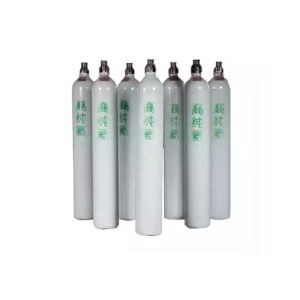
Helium, oo ah gaaska warshadaha oo aad u yar, ayaa si weyn loogu isticmaalaa qaybaha muhiimka ah sida hawada sare, aaladaha caafimaadka, iyo soosaarka elektiroonigga. Si kastaba ha noqotee, sannadihii ugu dambeeyay, is-beddelka qiimaha heliumku wuxuu noqday walaac degdeg ah dhammaan warshadaha kala duwan. Sababtoo ah silsiladda sahayda helium ee caalamiga ah waxaa saameeya arrimo badan, qiimihiisu inta badan si weyn ayuu isu beddelaa. Iyadoo caqabadan ay wajahayso, sida shirkaduhu ay wax uga qaban karaan isbeddelka qiimaha iyo ilaalinta xasilloonida wax soo saarka ayaa noqotay arrin muhiim ah oo ay tahay in ay wax ka qabtaan dhammaan warshadaha.
Nuglaanta Silsiladda Bixinta Helium-ka Caalamiga ah
The helium sahayda Silsiladda ugu horrayn waxay ku tiirsan tahay wax-soo-saarka iyo dhoofinta dalal faro-ku-tiris ah. Shirkadaha ugu badan ee keena Helium-ka adduunka waxa ka mid ah Maraykanka iyo Qatar, kuwaas oo tas-hiilaadkooda wax-soo-saar ay ku xidhan yihiin arrimo tignoolajiyada, siyaasadda iyo suuqa. Sidaa darteed, isbedbedelka xiriir kasta wuxuu u horseedi karaa helium helium ah oo aan degganayn. Tusaale ahaan, qaar ka mid ah dhirta helium soo saarista ee Maraykanka ayaa hakiyay wax soo saarkooda sababtoo ah gabowga ama teknoolajiyada casriga ah, taas oo keeni karta yaraanta sahayda iyo, markeeda,, qiimaha sare.
Saamaynta Isbeddellada Qiimaha Heliumku ku leeyahay Waaxda Hawada Sare
Warshadaha hawada sare waa isticmaale muhiim ah oo helium, gaar ahaan qaboojinta gantaalada iyo tignoolajiyada barkinta shilka, halkaasoo helium ay muhiim u tahay. Si kastaba ha ahaatee, isbedbedelka qiimaha heliumku wuxuu si toos ah u saameeyaa kharashka wax soo saarka warshadaha. Qiimaha sare u kaca waxa laga yaabaa inuu u horseedo korodhka kharashyada shirkadaha hawada ee R&D iyo wax soo saarka, iyo xataa saamayn miisaaniyada mashruuca iyo jadwalka.
Tusaale ahaan, shirkadaha daah-furka hawada waxa laga yaabaa inay u baahdaan inay lacag badan u kaydsadaan hawl-gal kasta si ay u yareeyaan khatarta sare u kaca qiimaha heliumka, taasoo suurtogal ah inay ku qasbaan dib-u-dhigista ama dib-u-qiimaynta mashaariicda xasaasiga ah. Sidaa darteed, warshadaha hawadu waa inay tixgeliyaan xasilloonida muddada dheer ee heliumka heliumka iyo inay horumariyaan xeelado firfircoon, sida sahaminta gaas kale iyo kordhinta dib-u-warshadaynta helium iyo dib-u-isticmaalka.
Saamaynta Isbeddelka Qiimaha Heliumku ku leeyahay Warshadaha Caafimaadka
Warshadaha caafimaadka, helium waxaa inta badan loo isticmaalaa in lagu qaboojiyo qalabka sawir-qaadista magnetic (MRI). Qaboojinta helium dareeraha ah ee magnets-ka sareeya ee qalabka MRI ayaa muhiim u ah shaqeynta saxda ah. Isbeddellada fiiqan ee qiimaha heliumku waxay ku keeni karaan saarayaasha qalabka caafimaadka cadaadis si ay u kordhiyaan kharashaadka, saamaynaya qiimaha qalabka iyo korsashada. Gaar ahaan wadamada soo koraya, kor u kaca qiimaha heliumku wuxuu sii kordhin karaa qiimaha qalabka caafimaadka, taasoo saamaynaysa helitaanka adeegyada daryeelka caafimaadka.
Si arrintan wax looga qabto, warshadaha caafimaadku waxay bilaabeen inay sahamiyaan beddelka heliumka. Inkasta oo tignoolajiyada doorarkan aan weli si buuxda u bislaan, marka tignoolajiyadu horumarto, horumarinta beddelka helium waxay noqon doontaa jihada mustaqbalka ee muhiimka ah.
Saamaynta Isbeddelka Qiimaha Heliumku ku leeyahay Warshadaha Elektarooniga ah
Soosaarka elektiroonigga ah, helium waxaa loo isticmaalaa qaboojinta iyo ogaanshaha gaaska, gaar ahaan semiconductor iyo wax soo saarka fiber indhaha, halkaas oo doorkeedu muhiim yahay. Si kastaba ha ahaatee, isbedbedelka qiimaha helium sidoo kale wuxuu si toos ah u saameeyaa kharashka wax soo saarka ee warshadaha elektiroonigga ah. Kor u kaca qiimaha heliumku wuxuu kordhiyaa kharashka wax soo saarka ee alaabta elektaroonigga ah, taasoo suurtogal ah in ay keento qiimaha sare ee alaabta la dhammeeyey. Tani waxay caqabad weyn ku tahay suuqa elaktarooniga ah ee macaamilka ee xasaasiga ah.
Iyada oo ay la kulmayso caqabadan, warshadaha elektiroonigga ah ayaa sahaminaya beddelka heliumka iyo siyaabaha lagu hagaajinayo waxtarkeeda isticmaalka si loo yareeyo kharashyada wax soo saarka. Intaa waxaa dheer, shirkado badan ayaa ka shaqeynaya inay dib u warshadeeyaan helium, hagaajinta waxtarka kheyraadka iyo yareynta ku tiirsanaanta isbedbeddelka silsiladaha sahayda.
Sida wax looga qabto Isbeddellada Qiimaha Helium
Si wax looga qabto caqabadaha ay keenaan isbedbedelka qiimaha helium, shirkaduhu waxay qaadan karaan tallaabooyin kala duwan. Marka hore, samee xidhiidho silsilad sahay ah oo muddo dheer ah oo xasiloon oo la gaadho heshiisyo qiimo leh alaab-qeybiyeyaasha muhiimka ah si loo yareeyo hubanti la'aanta la xiriirta isbedbeddelka suuqa. Marka labaad, shirkaduhu waxay hagaajin karaan hufnaanta helium iyada oo loo marayo hal-abuurka tignoolajiyada, sida qaadashada nidaamyada qaboojinta waxtarka leh iyo tignoolajiyada dib-u-warshadaynta si kor loogu qaado qiimaha helium. Ugu dambeyntii, sahaminta isticmaalka beddelka helium waa jihada cilmi-baarista muhiimka ah, gaar ahaan meelaha aan ku lug lahayn tignoolajiyada cryogenic.
Gabagabo: Xaqiijinta bixinta iyo kor u qaadida horumarinta warshadaha
Isbeddellada qiimaha heliumku waxay saameyn weyn ku leeyihiin warshado badan, gaar ahaan kuwa hawada sare, caafimaadka, iyo elektiroonigga. Wax ka qabashada caqabadan iyo ilaalinta saadka deggan waxay noqotay arrin muhiim u ah ganacsiyada iyo warshadaha. Iyada oo loo marayo tignoolajiyada cusub, maaraynta silsiladda sahayda oo la hagaajiyay, iyo sahaminta xalal kale, warshaduhu waxay si wax ku ool ah u yareeyaan khataraha la xidhiidha isbedbeddelka qiimaha helium waxayna hubinayaan wax soo saarka iyo horumarka mustaqbalka.