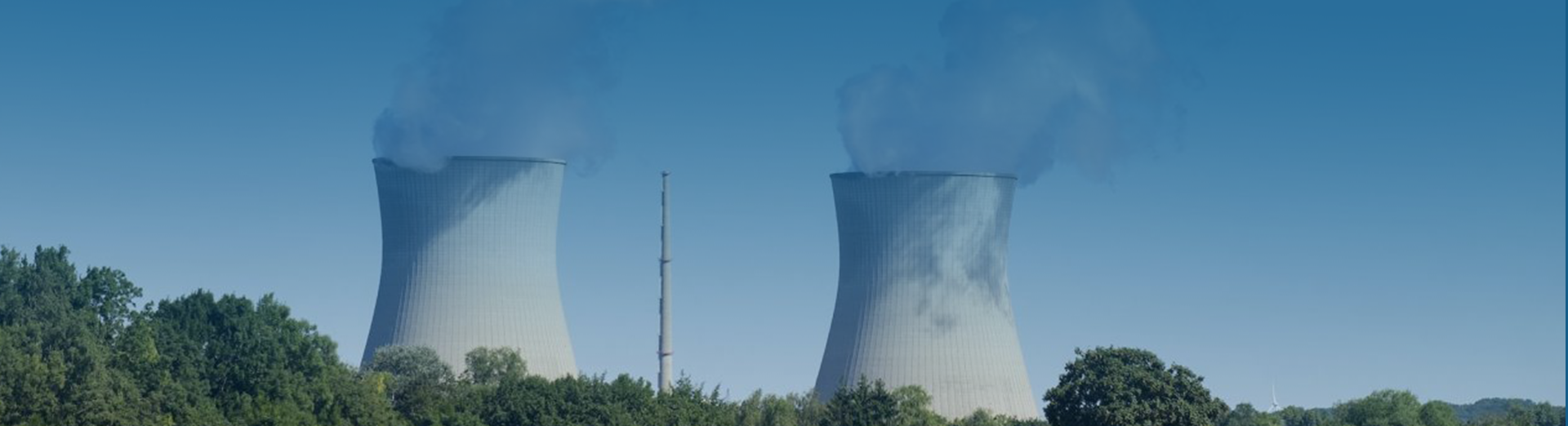
Kaarboon Monoxide (CO) Gaaska: Khatarta Aamusan ee Wasakhowga Hawada
Kaarboon monoksaydh, oo inta badan loo yaqaan CO, waa gaas ay dad badani maqleen laakiin in yar ayaa si dhab ah u fahmaysa. Waa joogitaan aamusan, oo aan muuqan oo khatar weyn ku ah caafimaadka iyo badbaadada, oo inta badan laga helo guryaheena iyo deegaanka ballaaran labadaba qaab ahaan. wasakhowga hawada. Si kastaba ha ahaatee, tani isku mid gaas Waxa kale oo uu door muhiim ah ka ciyaaraa noocyo kala duwan oo waaweyn warshadaha hababka. Maqaalkan waxa loo qorsheeyay in uu ku siiyo faham dhamaystiran carbon monoxide, laga bilaabo sifooyinkeeda kiimikada aasaasiga ah iyo ilaha ilaa qoto dheer saamaynta caafimaadka iyo codsiyada warshadaha muhiimka ah. Sida agaasime warshadeed oo leh khibrad wax soo saar oo ka badan toban sano gaaska warshadaha, Waxaan arkay labadaba khatarta ay leedahay in si xun loo maamulo CO iyo awooddeeda cajiibka ah marka si sax ah loo isticmaalo. Waxaan sahamin doonaa sida loo aqoonsado, sida ay uga duwan tahay carbon dioxide, tillaabooyinka muhiimka ah ka hortagga carbon monoxide sumaynta, iyo sababta ilaalinta tayada ay muhiim ugu tahay iibsadayaasha warshadaha. Hagahan waxa loogu talagalay qof walba, laga bilaabo milkiilayaasha guriga ee ka walaacsan badbaadada ilaa xirfadlayaasha wax soo iibsiga sida Mark Shen oo u baahan inay keenaan nadiif sare gaasaska lagu kalsoonaan karo.
Waa maxay Dhab ahaan Kaarboon Monoxide (CO)?
Heerkeeda aasaasiga ah, carbon monoxide waa molecule fudud. Waxay ka kooban tahay hal kaarboon atom iyo hal ogsijiin atom, kaas oo siinaya kiimikada formula CO. Fududeyntani waa khiyaano, sida carbon monoxide waa a sun aad u badan gaas Waxa khatar gaar ah ka dhigaya dabeecadeeda jidheed: waa a midab lahayn, aan ur lahayniyo gaas aan dhadhamin. Ma arki kartid, ma urin kartid, mana dhadhamin kartid, waana sababta ay u kasbatay naanays xun " dilaaga aamusan." Maqnaanshaha wax calaamado digniin ah oo dareenka ah macnaheedu waa in shakhsiyaadka ay la kulmi karaan khatar heerarka carbon monoxide iyada oo aan wax wacyigelin degdeg ah lahayn.
Tani gaas waa wax soo saarka dabka, gaar ahaan gubashada aan dhamaystirnayn ee kaarboon-ka kooban agabka. Marka la shido sida qoryaha, shidaalka, propane, gaaska dabiiciga ah, ama dhuxusha kuma filna ogsijiin si ay u gubaan gabi ahaanba, waxay soo saar carbon monoxide halkii ay ka ahaan lahayd waxyeellada yar carbon dioxide. Halkii atamka kaarboon gudaha CO had iyo jeer waxay raadineysaa inay ku xirto wax badan ogsijiin, sifo fure u ah faa'iidada warshadaha iyo sunteeda labadaba. Markaan tixraac carbon monoxide, waxaan ka hadlaynaa walax ka fudud hawada oo si degdeg ah u buuxin karta qol ama meel bannaan oo ku xiran, abuurista jawi khatar ah.
Fahamka astaanta aasaasiga ah waa tallaabada ugu horreysa ee lagu qaddarinayo dabeecadda laba-geesoodka ah ee carbon monoxide. Dhinac, waa sun sir ah oo ixtiraam iyo taxadar naga dalbanaysa. Dhanka kale, falcelinta kiimikada ee gaarka ah ayaa si sax ah uga dhigaysa qayb qiimo leh oo ku jirta adduunka wax soo saarka kiimikada. Safarka tan gaas ka fudud gubashada kaarboon-ka kooban wax soo saarka si taxadar leh loo maareeyo qalab warshadeed waa mid soo jiidasho leh.
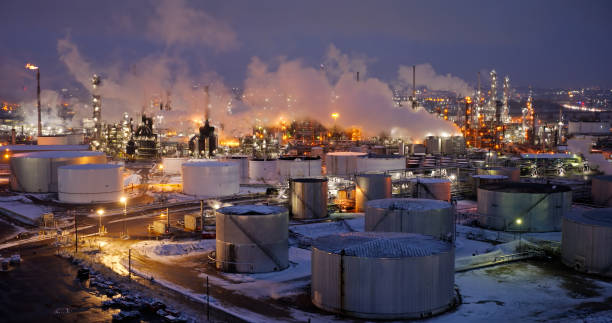
Halkee Ka Yimid Kaarboon Monoxide? Aqoonsiga Ilaha Ugu Muhiimsan
Asal ahaan isha carbon monoxide waa ka gubasho aan dhamaystirnayn ee shidaalka fosil iyo walxo kale oo kaarboon ku salaysan. Nidaamkani wuxuu ku dhacaa qalabyo iyo mashiinno badan oo caadi ah, taasoo ka dhigaysa soo-gaadhista suurtagalka ah khatar maalinle ah. Mar kasta oo aad gubto a shidaal, laga bilaabo shidaalka baabuurkaaga ilaa gaaska dabiiciga ah foornadaada, waxaa jira suurtagal carbon monoxide la soo saaro. Qodobka ugu muhiimsan waa qadarka la heli karo ogsijiin. Nidaam hufan oo hufan, kaarboon iyo ogsijiin isku dar si loo abuuro carbon dioxide (CO₂). Si kastaba ha ahaatee, adduunka dhabta ah, gubasho dhif ah ayaa kaamil ah.
Waa kuwan qaar ka mid ah ilaha ugu caansan ee sii daayo carbon monoxide:
- Qalabka Guriga: Foornooyinka, kululeeyaha biyaha, shooladaha gaaska, qalajiyaasha dharka, iyo kuleyliyaha hawada sare dhamaantood waa ilo suurtagal ah. Haddii ay gabow yihiin, si liidata loo daryeelo, ama aan si khaldan loo hawo, way sii dayn karaan CO gaaska galay kaaga hawada gudaha.
- Baabuur: The daal baabuurta, kuwa xamuulka ah, iyo mootooyinka waa isha ugu weyn carbon monoxide. Ku socodsiinta gaadhi geerash ku dheggan, xataa albaabku furan yahay, waxay keeni kartaa khatar heerarka co si ay u dhex galaan meelaha lagu noolaado.
- Koronto-dhaliyeyaasha iyo Matoorada yaryar: Matoorada la qaadi karo, caws-cawska, iyo kuwa korontada dhaqda ayaa soo saara xaddi la taaban karo carbon monoxide. Kuwani waa inay marna in lagu shaqeeyo gudaha ama meelaha xiran sida garaashyada ama saqafka hoose.
- Dabka iyo Foornooyinka: Goobaha dabka lagu shido ee xaabada lagu shido, meelaha dhuxusha lagu shido, iyo xerada shooladaha sidoo kale waa soosaarayaal muhiim ah. Isticmaalka shiilan dhuxusha gudaha gudaha, tusaale ahaan, waa dhacdo caadi ah sunta kaarboon monoksaydh.
- Dhirta Warshadaha: Qaar badan hababka warshadaha ama isticmaal ama soo saar carbon monoxide. Dhirta warshadaha soo saara kiimikooyinka, saliida sifeeya, ama biraha habaysan waxay noqon karaan wax muhiim ah isha CO deegaanka, oo wax ku biirinaya guud ahaan wasakhowga hawada. Waxay u baahan yihiin ilaalin adag iyo borotokool badbaado, oo ay ku jiraan gaasta kaarboon monoksaydh go'an qalabka wax lagu ogaado.
Way caddahay in isha carbon monoxide waa nagu wareegsan. Halka ay xooga saarid hawo wanaagsan ku jirto hawada dibadda caadi ahaan aad bay u yar tahay, khatarta ayaa si aad ah u korodha meelaha laxiran ama meelaha hawadu liidato ee gaas ururin kartaa ilaa a feejignaan sare.
Sidee Kaarboon Monoxide uga duwan yahay Kaarboon Dioxide?
Waa barta guud ee jaahwareerka, laakiin Kaarboon monoksaydh (CO) iyo carbon dioxide (CO₂) waa maaddooyin aad u kala duwan, gaar ahaan marka la eego saamaynta ay ku leeyihiin caafimaadka dadka. Farqiga ugu muhiimsani wuxuu ku jiraa qaab-dhismeedkooda molecular iyo xasilloonida. Kaarboon monoksaydh ka kooban yahay hal atamka kaarboon iyo hal ogsijiin atom (CO), halka carbon dioxide ayaa leh hal kaarboon atom iyo laba ogsijiin atamka (CO₂). Tani waxay u ekaan kartaa farqi yar, laakiin wax walba way beddeshaa.
Kaarboon dioxide waa qayb dabiici ah oo lama huraan ah oo ka mid ah nidaamka deegaanka ee meereheena. Waxaan ku sii deynaa neef kasta, dhirtuna waxay u isticmaashaa photosynthesis. Halka xaddi badan oo CO₂ ah ay waxyeelo keeni karto oo waa la yaqaan gaaska aqalka dhirta lagu koriyo, si la mid ah ma aha sun aad u xun CO waa Jidhkaaga waxa loo qaabeeyey inuu maamulo oo eryo carbon dioxide sida badeeco qashinka ah. Kaarboon monoksaydhDhanka kale, waa unug aan degganayn oo si gardarro ah mid kale u raadsada ogsijiin atom si uu u noqdo mid deggan, si waxtar leh samaynta carbon dioxide.
Halkan waxaa ah miis fudud oo lagu muujinayo kala duwanaanshaha muhiimka ah:
| Muuqaal | Kaarboon Monoxide (CO) | Kaarboon Dioxide (CO₂) |
|---|---|---|
| Foomamka Kiimikada | CO | CO₂ |
| Xigasho | Gubashada aan dhamaystirnayn ee shidaal | Gubashada dhamaystiran, neefsiga |
| Sunta | Aad u sun ah oo sun ah | Ma aha sun aad u daran, laakiin waa neef qabaw oo heerar aad u sarreeya |
| Saamaynta Jirka | Ku xidha hemoglobin, blocks ogsijiin gaadiidka | Wax soo saarka dabiiciga ah ee dheef-shiid kiimikaadka |
| Urta / Midabka | Aan ur lahayn, midab lahayn, aan dhadhamin | Aan ur lahayn, midab lahayn |
| Doorka Guud | Wasakh halis ah, faa'iido leh gaaska warshadaha | A gaaska aqalka dhirta lagu koriyo, lagama maarmaan u ah nolosha dhirta |
Goorma carbon monoxide waa la neefsadaa, waxay afduubtaa jidhka ogsijiin habka gaarsiinta. In goob warshadeed, falcelinta ee CO waa laga faa'iidaystaa, iyo xaaladaha la xakameeyey, way noqon kartaa oxidized ilaa carbon dioxide. Laakiin jidhka bini'aadamka, falcelintan la mid ah waxay keentaa cawaaqib dilaa ah. Fahamka kala duwanaanshahan ayaa muhiim u ah garashada sababta mid gaas waa qayb nolosha ka mid ah tan kalena waa sun nafta halis gelisa.
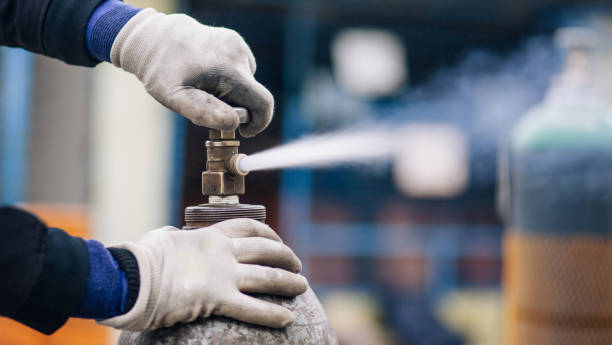
Waa maxay Saamaynta Caafimaad ee Khatarta ah ee Soo-gaadhista Kaarboon Monoxide?
The saamaynta caafimaadka ee soo-gaadhista kaarboon monoksaydh waa daran sababtoo ah gaas waxay si toos ah u faragelisaa awoodda uu jidhku u qaadi karo ogsijiin. Markaad neefsato CO, waxay gashaa dhiigaaga waxayna ku xidhmaysaa hemoglobin- borotiinka ku jira unugyada cas cas ee loo maleynayo inuu yahay qaado ogsijiinta xubnahaaga iyo unugyadaada. Dhibaatadu waa taas hemoglobin waxay xidhiidh la leedahay carbon monoxide taas oo in ka badan 200 jeer ka xoog badan xidhiidhkeeda ogsijiin.
Taas macnaheedu waa in xitaa yar xooga saarid ee CO hawadu waxay yeelan kartaa saamayn wayn. The CO molecules asal ahaan way ka soo baxaan ogsijiin, samaynta xarun deggan oo loo yaqaan karboksyhemoglobin (COHb). Marka heerarka COHb kor u kaco, dhiiggu waa ogsijiin-qaadista awoodda oo hoos u dhacaysa. Wadnahaaga, maskaxdaada, iyo xubnaha kale ee muhiimka ah waxay bilaabaan inay u gaajoodaan ogsijiin. Tani waa sababta Kaarboon monoksaydh waa sun aad u badan iyo sababta gaadhista kaarboon monoksaydh aad bay khatar u tahay.
Darnaanta ee saamaynta caafimaadka waxay ku xiran tahay laba arrimood oo waaweyn: ah co fiirsashada hawada iyo muddada soo-gaadhista.
- Heerarka Hoose ee Soo-gaadhista Kaarboon Monoxide: Soo-gaadhista muddada dheer ee heerarka hoose waxay keeni kartaa astaamo u eg hargab, oo ay ku jiraan madax-xanuun, daal, lallabbo, iyo dawakhsanaan. Calaamadahaan waxaa badanaa lagu qaldamaa jirro kale, taasoo u oggolaanaysa soo-gaadhista inay sii socoto.
- Heerarka Sare ee Kaarboon Monoxide Soo-gaadhista: Sida xooga saarid ee ah gaas kororka, astaamuhu aad bay u sii daraan. Kuwaas waxaa ka mid noqon kara jahawareer maskaxeed, iskudubarid daciif ah, madax xanuun daran, laab xanuun, iyo matag.
- Soo-gaadhsiin aad u daran: Marka aad u feejignaan sare, Kaarboon monoksaydh ayaa keeni karta miyir beelid, qalal, koomo, iyo, ugu dambeyntii, dhimasho. Tani waxay ku dhici kartaa daqiiqado gudahood.
Xataa kuwa si daran u badbaaday sumowga, waxaa jiri kara dhaawac waqti dheer ah oo neerfaha ah, oo ay ku jiraan dhibaatooyinka xusuusta, isbeddelka shakhsi ahaaneed, iyo dhibaatada xoogga saarista. Khatartu waa dhagar; sababtoo ah waa aan ur lahayn iyo aan dhadhamin, dhibbanayaashu inta badan way jahawareeraan oo way lumiyaan awoodda ay isku caawiyaan ka hor inta aanay ogaan inay khatar ku jiraan.
Sideed Ku Aqoonsan Kartaa Calaamadaha Sumowga Kaarboon Monoxide?
Aqoonsiga calaamadaha sumowga waa qodobka ugu muhiimsan ee looga hortagayo natiijada naxdinta leh, gaar ahaan maadaama aadan isku haleyn karin dareenkaaga si aad u ogaato joogitaanka gaaskan khatarta ah. Calaamaduhu waxay noqon karaan kuwo khafiif ah marka hore waxaana badanaa lagu qaldamaa hargabka, cunto ku-sumowga, ama daalka guud. Waa muhiim in la tixgeliyo suurtagalnimada sunta kaarboon monoksaydh Haddii in ka badan hal qof oo qoyska ka mid ah ay isku mar isku arkaan calaamadahan.
Waa kuwan calaamadaha digniinta ee muhiimka ah, oo inta badan ka sii socda khafiif una socda:
-
Calaamadaha khafiifka ah:
- Madax xanuun daran, caajis ah
- Dawakhaad iyo fudayd
- Lalabbo ama matag
- Neefta oo ku yaraata inta lagu jiro dadaal fudud
- Daciifnimo guud iyo daal
-
Calaamadaha Dhexdhexaad ilaa Daran:
- Madax xanuun daran, xanuun badan
- Jahawareer iyo jahawareer
- Aragga cakiran
- Isuduwidda iyo xukunka oo daciif ah
- garaaca wadnaha degdega ah
- miyir beelid
Calaamad A classic of sumowga waa in astaamuhu u muuqdaan inay fiicnaadaan markaad ka tagto aagga ay dhibaatadu saameysey oo aad gasho hawo nadiif ah, kaliya inaad soo noqoto markaad gudaha ku noqoto. Haddii adiga ama qof ka mid ah gurigaaga ama goobta shaqada aad la kulanto calaamadahan, jawaabta degdega ah waa in qof kastaa dibadda la geliyo hawo cusub oo aad wacdo gargaar caafimaad oo degdeg ah. Dib ha u galin dhismaha ilaa inta ay kormeerayaan oo ay ku dhawaaqaan in uu yahay mid badbaado leh. Tallaabo degdeg ah ayaa ah habka kaliya ee lagula dagaallamo tan nooca caadiga ah ee dilaaga ah sumayn.
“Sida qof soo maamulay wax soo saarka gaaska warshadaha Muddo sanado ah, ma soo koobi karo muhiimada feejignaanta. Dhirtayada, waxaan ku leenahay lakabyada borotokoolka badbaadada. Gurigaaga dhexdiisa, a qalabka kaarboon monoksaydh waa difaacaaga ugu horreeya uguna wanaagsan." - Allen, Agaasimaha Warshadaha
Waa maxay Isku-ururinta Khatarta ah ee Kaarboon Monoxide?
Fahamka waxa khatar ku ah xooga saarid ee carbon monoxide ayaa muhiim u ah qiimeynta khatarta. The xooga saarid tan gaas waxaa lagu qiyaasaa qaybo halkii milyan (PPM). Cabirkani waxa uu kuu sheegayaa inta unug ee CO gaaska waxaa ku jira hal milyan oo unug oo hawo ah. Xitaa tirooyinka u muuqda inay yar yihiin waxay noqon karaan khatar aad cajiib ah. Heerka khatarta ah waa shaqada PPM labadaba iyo dhererka waqtiga qofka.
Halkan waxaa ah burburka fiirsashada CO heerarka iyo saamaynta ay ku yeelan karaan qof weyn oo caafimaad qaba, kaas oo si cad u muujinaya sida degdega ah ee xaaladdu u sii dari karto:
| Isku-xidhka CO (PPM) | Waqtiga Soo-gaadhista | Saamaynta Caafimaad ee Suurto gal ah |
|---|---|---|
| 9 PPM | - | Inta ugu badan ee lagu taliyay gudaha tayada hawada heerka (ASHRAE). |
| 50 PPM | 8 saacadood | Soo-gaadhista ugu badan ee la oggol yahay ee goobta shaqada muddo 8-saacadood ah (OSHA). |
| 200 PPM | 2-3 saacadood | Madax xanuun fudud, daal, dawakhsanaanlallabo. |
| 400 PPM | 1-2 saacadood | Madax xanuun halis ah. Nafta-halis 3 saacadood ka dib. |
| 800 PPM | 45 daqiiqo | Dawakhaadlallabo, iyo gariir. Miyir la'aan 2 saacadood gudahood. Dhimashada 2-3 saacadood gudahood. |
| 1,600 PPM | 20 daqiiqo | Madax xanuunka, dawakhsanaanlallabo. Dhimashada 1 saac gudahood. |
| 6,400 PPM | 1-2 daqiiqo | Madax xanuunka, dawakhsanaan. Dhimashada 10-15 daqiiqo gudahood. |
| 12,800 PPM | - | Isla markiiba miyir beelid. Dhimashada 1-3 daqiiqo gudahood. |
Sida aad arki karto, khatartu aad bay u korodhaa marka la eego co fiirsashada. Heer laga yaabo in loo dulqaadan karo muddo gaaban waxa uu noqdaa mid dilaa ah oo uu la kulmo waqti dheer. Tani waa sababta kormeer joogto ah oo la isku halayn karo gaaska kaarboon monoksaydh ma aha raaxo-waa lama huraan. Goobaha warshadaha, waxaan isticmaalnaa dareemayaal casri ah si loo hubiyo heerarka carbon monoxide Waligaa ha u dhowaan marinnadan khatarta ah, ilaalinta shaqaalaheenna iyo hubinta nadiifnimada alaabtayada. Qof kasta oo ka soo xiganaya gaaska warshadaha, ogaanshaha alaab-qeybiyahaagu inuu u hoggaansamo heerarkan badbaadada iyo ilaalinta adag waa qayb aasaasi ah oo ku dadaalida saxda ah.
Waa maxay Codsiyada Warshadaha Muhiimka ah ee Kaarboon Monoxide?
Iyadoo sunteeda la wada og yahay. Kaarboon monoxide sidoo kale waa dhisme aad u qiimo badan oo si weyn loo isticmaalo warshadaha kiimikada. Falcelinteeda gaarka ah ayaa ka dhigaysa shay muhiim u ah isku-dhafka kiimikooyin badan oo kala duwan. Marka lagu maareeyo shuruudo adag oo la xakameeyey CO waa qalab awood u leh soosaarayaasha. The codsiga carbon monoxide oo ka kooban qaybo badan, laga bilaabo balaastikada ilaa dawooyinka.
Mid ka mid ah kuwa ugu caansan codsiyada warshadaha waxay ku jirtaa soosaarka "gaaska synthesis," ama syngas. Tani waa a isku dhafka hydrogen iyo carbon monoxide, Kaas oo horudhac u ah noocyo badan oo alaabooyin kale ah. Syngas-ka waxaa laga soo saari karaa cuntooyin kala duwan, oo ay ku jiraan gaaska dabiiciga ah, dhuxusha, iyo biomass. Tani hydrogen iyo carbon monoxide isku darka ayaa markaa loo isticmaalaa hababka sida habka Fischer-Tropsch si loo abuuro shidaal biyo-dharka ah
Waa kuwan qaar ka mid ah kuwa waaweyn warshadaha halka uu isticmaalo Kaarboon monoksaydh ayaa loo isticmaalaa:
- Soosaarka Methanol: The falcelinta kaarboon monoxide iyo hydrogen waa habka asaasiga ah ee lagu soo saaro methanol, kiimiko aasaasi ah oo loo isticmaalo samaynta formaldehyde, balaastikada, iyo dareerayaasha.
- Wax-soo-saarka Asiidhka Ashitada: Kaarboon monoksaydh waa falcelin fure u ah geeddi socodka Monsanto iyo Cativa ee wax soo saarka acetic acid, kaas oo loo isticmaalo in lagu sameeyo vinyl acetate ee rinji iyo dhejisyada.
- Soosaar Fosgene: CO waxaa loo isticmaalaa in lagu soo saaro fosgene, dhexdhexaad muhiim ah ee abuurista polycarbonates (nooc caag ah) iyo polyurethane (oo loo isticmaalo xumbo iyo dahaarka).
- Kaarboonka Birta: Kaarboon monoksaydh la falgala biraha sida nikkel si ay u sameeyaan carbonyls biraha. Dareen-celintan waxa loo isticmaalaa habka Mond si loo nadiifiyo nikkel ilaa heer aad u sarreeya.
- Baakadaha Hilibka: Codsi la yaab leh, qadar yar oo ah CO waxaa loo isticmaalaa baakadaha jawiga wax laga beddelay ee hilibka cusub. The carbon monoxide waxay la falgashaa myoglobin si ay hilibka u siiso midab cas oo deggan, oo cusub, in kasta oo dhaqankani uu muran ka taagan yahay gobollada qaarkood.
Dhammaan hababkaas, nadiifinta ee gaasta kaarboon monoksaydh waa muhiim. Waxyaalaha wasakhaysan waxay sumayn karaan kicinta, waxay u horseedi karaan falcelin aan loo baahnayn, waxayna wax u dhimi karaan tayada badeecada ugu dambeysa. Taasi waa sababta shirkadaha in isticmaal carbon monoxide Nidaamkooda waa in ay la shuraakoobaan alaab-qeybiye damaanad qaadi kara si joogto ah, nadiifnimo sare leh gaas iyo in ay bixiyaan dukumeenti lagu kalsoonaan karo.
Waa maxay sababta tayada iyo saadka ay muhiim u tahay marka la soo saarayo Industrial CO
Sarkaalka wax soo iibsiga sida Mark Shen, ilo gaaska warshadaha sida carbon monoxide alaab-qeybiye dibadeed waxa ku jira caqabado gaar ah. Kaliya maaha in la helo qiimo tartan ah; waxay ku saabsan tahay hubinta tayada, isku halaynta, iyo badbaadada kumanaan mayl. Maamule warshadeed ahaan Shiinaha oo u dhoofiya USA, Europe, iyo Australia, waxaan u fahmay walaacyadan si dhow. Dhibcaha xanuunka - isgaarsiin aan waxtar lahayn, daahitaanka shixnadaha, iyo shahaadooyinka been abuurka ah - waa dhab, alaab-qeybiyaha wanaagsani waa inuu si toos ah ula hadlo.
Kormeerka Tayada iyo Shahaadaynta: daahirsanaanta ah gaaska warshadaha sida CO waa wax aan laga gorgortami karin. In wax soo saarka ee acetic acid, tusaale ahaan, xittaa wasakhda raadraaca waxay demin kartaa kicinta qaaliga ah, joojinta wax soo saarka waxayna ku kacaysaa shirkad malaayiin. Alaab-qeybiyaha lagu kalsoon yahay waa inuu lahaadaa nidaam lagu xakameynayo tayada oo adag. Tani waxay ka dhigan tahay imtixaan adag oo dufcad kasta ah, oo leh shahaadooyin faahfaahsan oo falanqayn ah (CoA) si loo caddeeyo. Xarunteena, waxaan ku shaqaynaa 7 khadadka wax soo saarka leh hubinta tayada isku dhafan si loo hubiyo our carbon monoxide buuxiyey heerarka caalamiga ah. Waxaan fahamsanahay in khiyaanada shahaadodu ay tahay walaac weyn, waana sababta aan u bixinno dukumeenti hufan, la xaqiijin karo oo macaamiisheena ay ku kalsoonaan karaan.
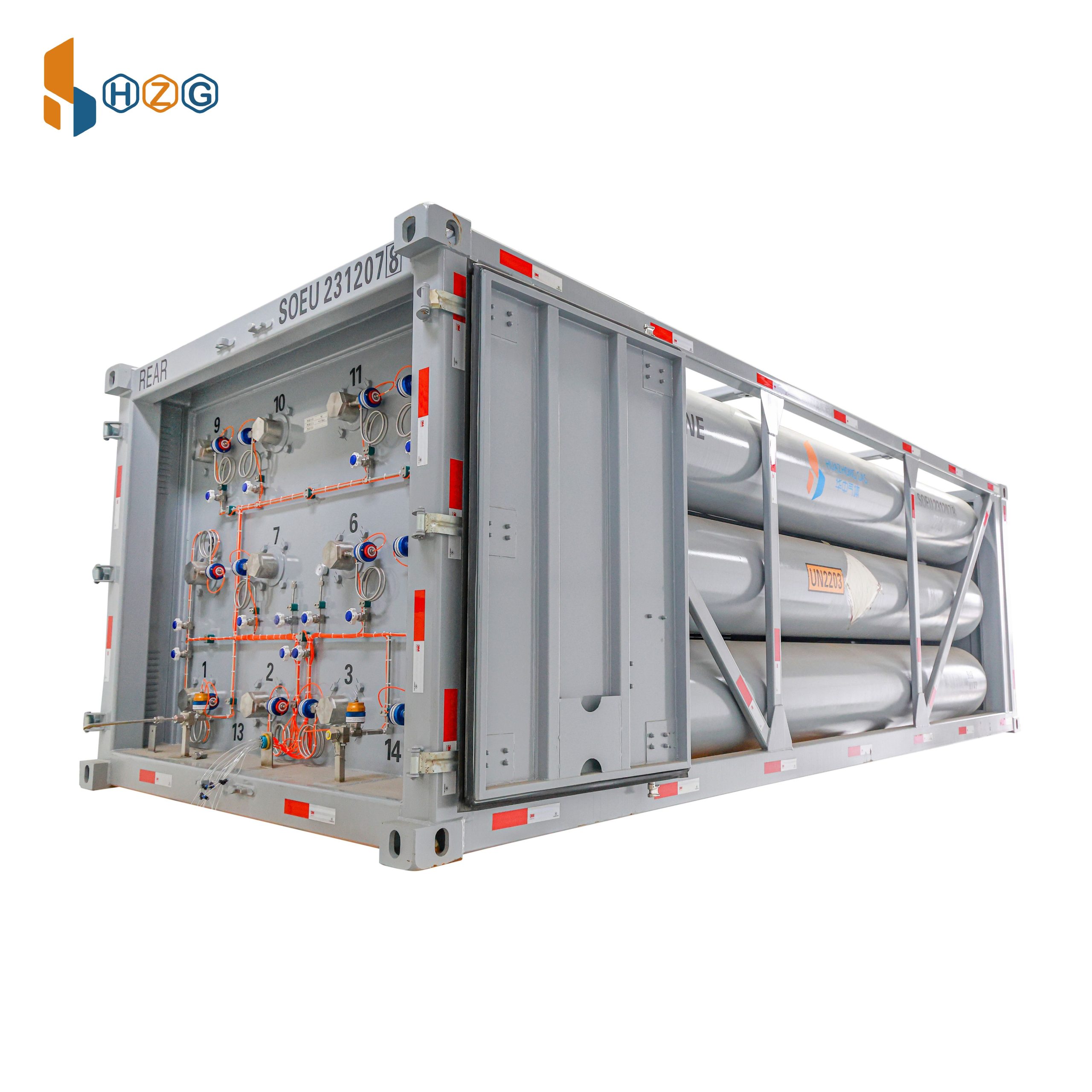
Saadka iyo Silsilad-siinta: Dib u dhigista shixnaddu waxay sababi kartaa saamayn xun, khalkhal gelisa jadwalka wax-soo-saarka oo u horseedaya khasaare maaliyadeed oo weyn. Xigasho gaasaska waxay u baahan tahay alaab-qeybiye khibrad qoto dheer u leh saadka caalamiga ah. Tan waxaa ku jira maaraynta weelasha khaaska ah sida dhululubada cadaadiska sareeyo ama taangiyada cryogenic, maaraynta nadiifinta kastamka, iyo hubinta badbaadada, keenista wakhtiga. Waxaan bixinaa xulashooyin sahayda dabacsan, laga bilaabo dhululubada shaqsi ilaa shixnadaha tirada badan, waxaana si dhow ula shaqeynaa shuraakadayada saadka si aan u siino macaamiisheena dabagal sax ah iyo waqtiyo la isku halayn karo oo gaarsiinta. Isgaadhsiintan tooska ah ee hufan waxay caawisaa baabi'inta jahawareerka ay la kulmaan iibsadayaal badan. Baahiyaha adag, waxaan xitaa bixinaa alaabo gaar ah sida a gaaska isku dhafka ah ee argon iyo hydrogen, taas oo u baahan in si sax ah loo maareeyo iyo saadka.
Sideed Uga Hortagi Kartaa Sumowga Kaarboon Monoxide?
Ku ka hortagga carbon monoxide sumowga, waxaad u baahan tahay inaad qaadato hab laba-geesood ah: la yareeyo ilaha CO oo rakib qalab-sheegayaal lagu kalsoonaan karo. Ka-hortagga had iyo jeer way ka fiican tahay daawaynta, gaar ahaan hanjabaadda sida aamusnaanta carbon monoxide. Tallaabooyinka waa kuwo toosan oo ku saleysan dayactir habboon iyo caqli-galnimo.
Halkan waxaa ah liiska hubinta ee ka hortagga CO dhismaha gurigaaga iyo goobta shaqada:
-
Dayactirka Joogtada ah:
- Foornadaada hay, biyo kuleyliyaha, iyo mid kale shidaal-gubid Qalabka uu kormeero farsamayaqaan aqoon u leh sanad walba. Tan waxaa ku jira hubinta xirmooyinka qiiqa iyo qiiqa.
- Hubi in goobta dabkaadu ay nadiif tahay oo si fiican u shaqaynayso ka hor intaanad isticmaalin.
- Si joogto ah u hubi daal nidaamyada baabuurta ee daadinta.
-
Hawo-qaadis Habboon:
- Waligaa ha isticmaalin kala duwanaanta gaaska ama kariyaha si loo kululeeyo gurigaaga.
- Hubi meel kasta oo shidaal ku gubanaysa kuleyliyaha waxaa loo isticmaalaa meel hawo fiican leh.
- Waligaa ha kaga tagin baabuur ku ordaya garaash ku lifaaqan, xataa hal daqiiqo. The CO gaaska si degdeg ah ayuu u dhex geli karaa guriga.
-
Isticmaalka Qalabka Nabdoon:
- Marna isticmaal wax la qaadan karo matoor, shiilan dhuxusha, ama xero kariyaha gudaha, garaash, ama daaqad u dhow. Qalabkan soo saar carbon monoxide heer aad u sarreeya.
- Isticmaal Kaarboon firfircoon filtarrada nidaamka hawo-qaadista halka ku habboon in la hagaajiyo tayada hawada deegaanka.
-
Ka digtoonow duufaanta ka dib: Korontada oo go'a badanaa waxay keentaa koror sumowga xaaladaha sababtoo ah dadku waxay si khaldan u isticmaalaan kuleyl kale iyo ilo koronto. Ka digtoonow koronto-dhaliyeyaasha iyo kuleyliyeyaasha waqtiyadan.
Markaad si taxaddar leh u raacdo tillaabooyinkan, waxaad si weyn u dhimi kartaa khatarta taas Kaarboon monoksaydh ayaa la abuuraa goobaha aad ku nooshahay ama shaqada. Tallaabooyinkan ka-hortagga ah, oo ay weheliyaan nidaam lagu ogaanayo oo la isku halayn karo, waxay sameeyaan shabakad badbaado oo dhammaystiran oo liddi ku ah khatartan aan muuqan.
Doorkee bay Baadhiyaasha Gaaska Kaarboon Monoxide ka Ciyaarayaan Badbaadada?
A gaaska kaarboon monoksaydh waa qalab lagama maarmaan ah, oo nafo lagu badbaadinayo guri kasta ama ganacsi kasta oo haysta shidaal-gubid qalabka. Sababtoo ah carbon monoxide waa aan ur lahayn iyo midab lahayn, qalabkani waa habka kaliya ee la isku halayn karo ee lagu baraarujin karo joogitaanka gaaskan khatarta ah ka hor inta aysan muuqan calaamadaha jireed. Waxay u shaqeeyaan sida sanka elektarooniga ah, si joogto ah ula socdaan hawada gudaha calaamad kasta oo CO. Marka co fiirsashada wuxuu gaaraa heer khatar ah, baaraha wuxuu ku dhawaaqayaa qaylo dhaan dheer, isagoo adiga iyo qoyskaaga ku siinaya wakhti aad ku guurtaan.
Waxaa jira dhowr nooc oo ah qalabka kaarboon monoksaydh, oo ay ku jiraan baytari ku shaqeeya, fur-in, iyo moodooyinka adag. Si loo ilaaliyo ugu badan, khubaradu waxay ku talinayaan in lagu rakibo qalabka wax baadha heer kasta oo gurigaaga ah, gaar ahaan meelaha ka baxsan ee hurdada. Tani waa sababtoo ah sumowga waxay si gaar ah khatar u tahay habeenkii marka dadku seexdaan waxaana laga yaabaa inay garan waayaan calaamadaha hore sida madax-xanuun ama dawakhsanaan. Waxa kale oo aad ka heli kartaa qiiq isku dhafan iyo qalabka kaarboon monoksaydh.
Markaad dooranayso oo rakibayso a qalabka kaarboon monoksaydh, xasuuso kuwan soo socda:
- Meelayntu waa fure: Ku rakib qalabka wax sheega gidaar shan cagood u jira sagxadda ama saqafka. Iska ilaali inaad geliso madbakhyo ama garaashyo laga yaabo in alaarmiga beenta ahi ka kiciyo qalabka caadiga ah daal.
- Tijaabada Joogtada ah: Tijaabi baarahaaga bishiiba mar adigoo riixaya badhanka "tijaabi" si loo hubiyo in baytariga iyo alaarmiga ay shaqaynayaan.
- Bedel baytariyada: Haddii qalabka baarahaagu ku shaqeeyo baytari, beddel baytariyada ugu yaraan hal mar sannadkii.
- Ogow cimriga: Qalabka kaarboon monoksaydh ha waarin waligaa. Dareemayaashu waxay dammaan waqti ka dib. Inta badan moodooyinka waxay u baahan yihiin in la beddelo 5 ilaa 10 sano kasta. Fiiri talada soo-saaraha oo ku qor taariikhda rakibidda dhabarka cutubka.
A shaqeeya qalabka kaarboon monoksaydh ma aha talo kaliya; waa qayb aasaasi ah oo ka mid ah jawiga guriga ee nabdoon. Waa aaladda kaliya ee ugu waxtarka badan ee aad leedahay si aad naftaada uga ilaaliso khatarta aamusnaanta leh sumowga. Maalgelinta qalabka wax baara ee tayada sare leh iyo ilaalinta si sax ah waa qiimo yar oo lagu bixiyo nabada maskaxda iyo badbaadada.
Qaadashada Furaha
- Waa maxay: Kaarboon monoksaydh (CO) waa a midab lahayn, aan ur lahayniyo sun aad u sun ah soo saaray gubasho aan dhamaystirnayn shidaalka sida gaaska dabiiciga ah, alwaax, iyo shidaal.
- Khatarta: Waa khatar sababtoo ah waxay ku xidhan tahay hemoglobin ee dhiigga, ka hortagga gaadiidka ee ogsijiin xubnaha muhiimka ah, taasoo keentay in sumowga. Astaamaha waxay ka kooban yihiin madax-xanuun iyo dawakhsanaan ku miyir beelid iyo geeri.
- Ilaha waa caadi: Ilaha waxaa ka mid ah foornooyinka cilladaysan, kuleyliyaha biyaha, baabuur daalkoronto-dhaliyeyaasha, iyo xitaa shooladaha gaaska.
- Muhiimadda Warshadaha: Inkasta oo ay khatarteeda leedahay, CO waa muhiim gaaska warshadaha loo isticmaalo in lagu soo saaro kiimikooyin sida methanol iyo acetic acid. Soo saaridda nadiif-sare Gaasaska Khaaska ah ee Nadiifinta Badan waxay u baahan tahay alaab-qeybiye leh kontorool tayo adag iyo saadka la isku halayn karo.
- Kahortaggu waa Halis: Ka hortag carbon monoxide sumaynta iyadoo si joogto ah loo ilaalinayo qalabka, hubinta hawo habboon, oo aan waligood la isticmaalin qalabka bannaanka sida shiilan ama koronto-dhaliyeyaasha gudaha.
- Baarayaasha Badbaadiya Nolosha: Qalabka kaliya ee ugu muhiimsan ee badbaadada waa shaqo qalabka kaarboon monoksaydh. Ku rakib mid ka mid ah heer kasta oo gurigaaga ah, tijaabi bishiiba mar, oo ku beddel tilmaamaha soo-saaraha.