Structure begins at the process level
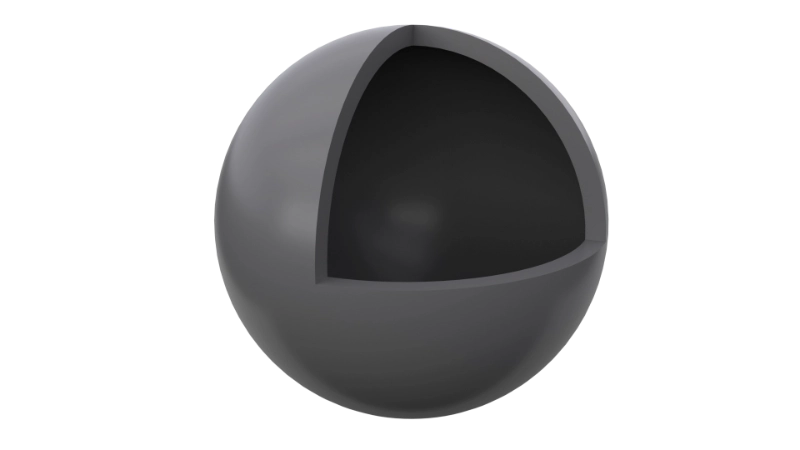
At the nanoscale, even minute changes in the manufacturing process can lead to significant differences in performance. The thickness of the silicon shell, the uniformity of the hollow core, and the overall particle size distribution are all directly affected by the synthesis method.
If the shell is too thin, the pellets may collapse or crack under stress. If the shell is too thick, the advantages of the hollow structure—such as flexibility and stress cushioning—are reduced. A carefully controlled manufacturing process achieves the optimal balance, producing pellets that are both strong and flexible enough for repeated use.
Perseverance is more important than going to extremes.
High performance on paper doesn’t always translate into actual results. A common problem with poor production control is inconsistent product quality. When particle size and structure vary significantly between different batches, product performance becomes unpredictable.
Stable production conditions help ensure consistent performance across each particle. This consistency results in more reliable electrical contact, smoother responses, and fewer weak points, thus extending material lifespan. In applications such as lithium-ion batteries, consistency is often just as important as optimal performance.
The role of composite processing
Pure nano-hollow silicon has already demonstrated significant advantages, but its performance can be further enhanced through composite processing—especially silicon-carbon composites. The way silicon and carbon are combined directly affects conductivity, expansion control, and overall durability.
Carefully designed silicon-carbon composites can improve charge transfer, reduce stress during cycling, and protect silicon structures from degradation. However, this is only possible if the manufacturing process allows for uniform coating, strong bonding, and controllable porosity.
Expansion control and long-term stability
One of the biggest advantages of nano-hollow silicon is its lower expansion stress compared to solid silicon. However, this advantage disappears if the manufacturing process is not optimized. Poorly formed hollow structures can still exhibit uneven expansion, eventually leading to cracking or material loss over time.
Advanced processing techniques help maintain structural integrity during repeated cycles, thereby reducing the coefficient of expansion and extending cycle life—both factors that are crucial for commercial viability.
Performance is built, not just designed
People easily focus on the material design concept, but performance ultimately depends on the production line. The same nano-hollow silicon design can yield vastly different results depending on the precision of the manufacturing, assembly, and processing techniques.
High productivity, long cycle life, and cost-effectiveness are not accidental—they are the result of controlled processes and practical engineering decisions.
Practical methods for using nano-hollow silicon materials
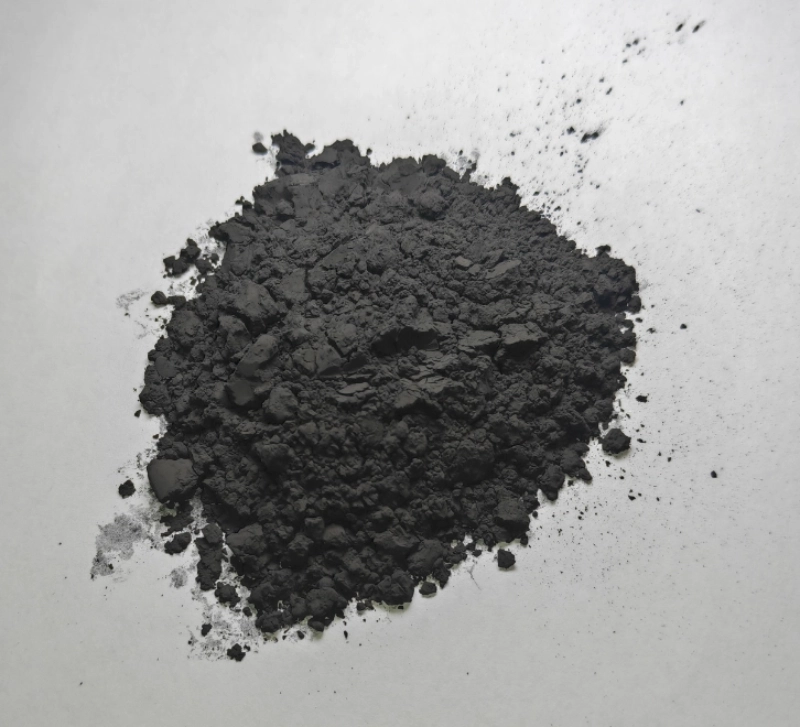
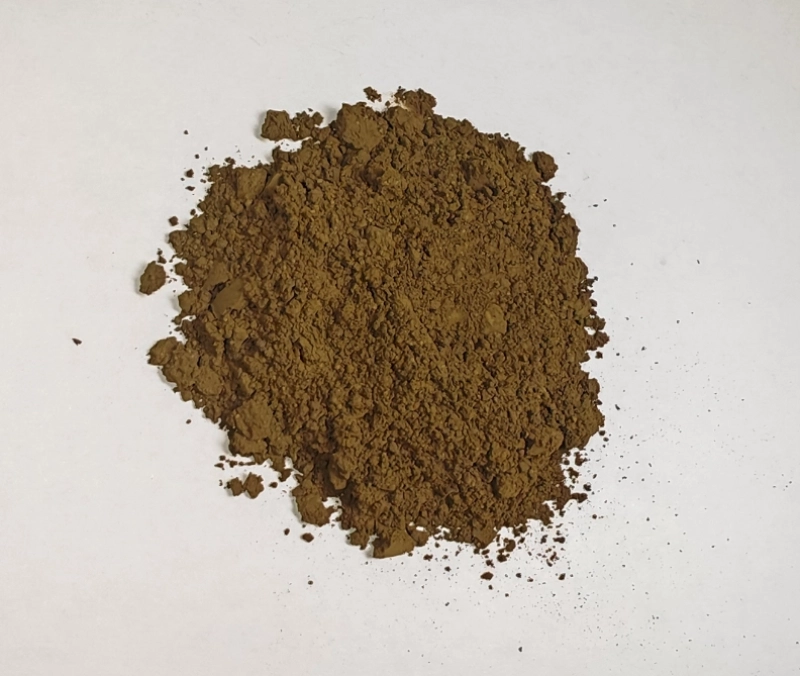
HUZHOng kesi uses nano-hollow silicon as its core raw material and employs a proprietary silicon-carbon composite process to produce nano-silicon powder. This method combines advantages such as high rate capability, low expansion, long cycle life, ma high cost-effectiveness, making it suitable not only for laboratory environments but also for demanding real-world applications.
Huazhong Gas focuses on material design and manufacturing quality, supporting customers seeking reliable, scalable, and long-term high-performance nano-silicon solutions.