A Comprehensive Guide to Nitrogen Trifluoride (NF₃) Gas in Semiconductor Manufacturing
Foni yamakono m'thumba mwanu, kompyuta ya pa desiki yanu, makina apamwamba a galimoto yanu - palibe chomwe chingatheke popanda ntchito yachete, yosaoneka ya mpweya wapadera. Monga mwini fakitale ya gasi ya mafakitale, ine, Allen, ndadziwonera ndekha momwe zida zofunikazi zimapangira maziko aukadaulo wamakono. Kwa atsogoleri abizinesi ngati a Mark Shen, omwe amayenda pazovuta zapadziko lonse lapansi, kumvetsetsa mipweya iyi ndikofunikira pakutsegula mwayi watsopano. Nkhaniyi ndi kalozera wanu wathunthu kwa m'modzi mwa osewera ofunika kwambiri pagawoli: Nitrogen Trifluoride (NF₃). Tidzasokoneza izi zamphamvu gasi, fufuzani udindo wake wofunikira mu njira yopangira semiconductor, ndikufotokozera chifukwa chake mtundu wake ndi kupezeka kwake ndizofunikira kwambiri kwa onse kupanga zamagetsi makampani.
Kodi Gasi wa Nitrogen Trifluoride (NF₃) ndi Chiyani Kwenikweni?
Poyamba, Nayitrogeni Trifluoride, yomwe nthawi zambiri imatchulidwa ndi mankhwala ake NF₃, zingawoneke ngati mafakitale ena gasi. Ndiwopanda mtundu, wosayaka, komanso wonunkhira pang'ono palimodzi. Komabe, mu dziko la kupanga zapamwamba,izi gasi ndi chida chapamwamba kwambiri. Ndiwopangidwa mwaluso palimodzi zopangidwa ndi atomu imodzi ya nayitrogeni ndi atatu fluorine ma atomu. Chinsinsi cha mphamvu zake chili mu dongosolo ili. Kutentha kwachipinda, NF₃ ndi wokhazikika komanso ine, kupangitsa kuti ikhale yotetezeka kunyamula ndi kugwirizira poyerekeza ndi mpweya wochulukirapo.
Matsenga amachitika pamene mphamvu ikugwiritsidwa ntchito. Pansi pamikhalidwe yamphamvu kwambiri mkati mwa a semiconductor chida chopangira, monga a plasma chamber, ku NF₃ mamolekyu kuwola. Amasweka ndikumasula kwambiri zotakataka fluorine zosokoneza maganizo. Ganizirani ngati kuphulika kolamulirika pa sikelo ya microscopic. Izi zaulere fluorine maatomu amagwira ntchito modabwitsa pochita ndi kuchotsa zinthu zosafunikira, makamaka silicon ndi zosakaniza zake. Kutha uku kukhala wokhazikika pamene mukuzifuna komanso kwambiri zotakataka pamene mukufuna zimapanga Mpweya wa Nitrogen Trifluoride chinthu chamtengo wapatali mu dziko lenileni la kupanga chip.
Izi wapadera wapawiri chikhalidwe ndi chifukwa chake NF₃ wakhala mwala wapangodya wamakono kupanga semiconductor. Kukhazikika kwake kumatsimikizira chitetezo ndi kudalirika muzitsulo zogulitsira, pamene reactivity yake imapereka luso lapamwamba loyeretsera ndi etching lomwe opanga amafunikira. Pamene tikufufuza mozama, muwona momwe izi zimamvekera mophweka gasi imathandizira kupanga zida zovuta kwambiri padziko lapansi.
Chifukwa Chiyani Gasi Wapadera Ndiwofunika Pamakampani a Semiconductor?
Kuti timvetse kufunika kwa NF₃, choyamba tiyenera kuyamikira udindo waukulu umenewo mpweya ndi wofunikira za mu makampani a semiconductor. Kupanga ndi Integrated dera zili ngati kumanga nyumba yosanja pansalu ya kukula kwa kachidindo kanu. Ndi njira yowonjezerera ndikuchotsa zigawo zoonda kwambiri za zinthu zosiyanasiyana pa silicon mtanda. Chilichonse chotsatira, kuyambira pakupanga chopanda kanthu mtanda mpaka chip chomaliza, chimadalira m'mlengalenga woyendetsedwa bwino wapadera mpweya wamagetsi.
Mipweya imeneyi imagwira ntchito zingapo zofunika kwambiri. Ena, monga argon ndi helium, amagwiritsidwa ntchito ngati mpweya wonyamula mpweya kuti apange malo okhazikika, osasunthika komanso kusungunula mpweya wochuluka. Ena amagwiritsidwa ntchito kuika,ku a gasi anazolowera deposit filimu woonda wa zinthu pa mtanda. Mwachitsanzo, mu Chemical Mpweya Kuyika (CVD), mipweya imachitapo kanthu kuti ipange filimu yolimba yomwe imakhala gawo la kuzungulira kwa chip. Ndiye pali mpweya woyaka, monga NF₃, zomwe zimagwiritsidwa ntchito posema ndendende mapatani mu zigawozi, kupanga njira zovuta kuti magetsi aziyenda.
Popanda nthawi zonse, ultra-chiyero chapamwamba kupereka mitundu yosiyanasiyana ya mipweya iyi, yonse kupanga ndondomeko akanatha kuima. Ngakhale minuscule chidetso mu a gasi zitha kuwononga gulu lonse la zophika, kuwonongera kampani mamiliyoni a madola. Ichi ndi chifukwa chake opanga semiconductor amakhudzidwa kwambiri ndi mtundu ndi kudalirika kwa omwe amawaperekera gasi. Chiyero cha gasi mwachindunji amamasulira khalidwe ndi zokolola wa mankhwala omaliza.
Kodi Gasi wa NF₃ Amagwiritsidwa Ntchito Motani mu Semiconductor Manufacturing Processes?
Nayitrogeni Trifluoride ili ndi ntchito ziwiri zoyambira, zofunika kwambiri njira zopangira semiconductor: etching plasma ndi kuyeretsa zipinda. Zonsezi ndizofunikira pakupanga ma microchips ochita bwino kwambiri, kuyambira mapurosesa mpaka NAND flash memory.
Choyamba, tiyeni tikambirane etching. Pambuyo wosanjikiza zakuthupi ngati silicon dioksidi imayikidwa pa a mtanda, chojambula chimaonetsedwa pa icho pogwiritsa ntchito kuwala. The etch ndondomeko ndiye amachotsa zinthu kumadera osatetezedwa. NF₃ imalowetsedwa m'chipinda ndikupatsidwa mphamvu kuti ipange a plasma- mtambo wamoto ion particles ndi zotakasika fluorine zosokoneza maganizo. Ma radicals awa amawombera ndendende mtanda pamwamba, kuchita ndi silicon ndikusintha kukhala a mpweya palimodzi (silicon tetrafluoride) yomwe imatha kuponyedwa kunja kwa chipindacho. Kulondola kwa njirayi n'kodabwitsa kwambiri, zomwe zimathandiza akatswiri kupanga zinthu zoonda kwambiri kuposa tsitsi la munthu.
Chachiwiri, komanso chofala kwambiri, kugwiritsa ntchito nayitrogeni trifluoride ndi a kuyeretsa gasi. Pa nthawi ya Chemical Vapor Deposition (CVD) ndondomeko, kumene mafilimu oonda amakula pa mtanda, zinthu zosafunikira zimamanganso mkati mwa makoma a chipinda chopangira ntchito. Izi otsalira, nthawi zambiri amapangidwa ndi silicon kapena silicon nitride, iyenera kuchotsedwa kwathunthu pakati pa processing iliyonse mtanda kapena mtanda wa mkate. Ngati sichoncho, chomanga ichi chikhoza kuphulika ndikugwera chotsatira mtanda, kuchititsa chilema. Pano, NF₃ amaponyedwa m'chipinda chopanda kanthu ndi a plasma yayaka. Amphamvu fluorine ma radicals amatsuka makoma a chipindacho kukhala oyera, kutembenuza cholimba otsalira ku a mpweya byproduct zomwe zimachotsedwa mosavuta. Izi kuyeretsa kuzungulira ndi zofunika pakusamalira chiyero cha malo opangira zinthu ndikuwonetsetsa kuti ndipamwamba zokolola.
Kodi Nchiyani Chimapangitsa NF₃ Kukhala Gasi Wapamwamba Wotsuka Poyerekeza ndi Njira Zina?
Kwa zaka zambiri, a makampani a semiconductor kudalira perfluorocarbons (PFCs) ngati carbon tetrafluoride (CF₄) ndi hexafluoroethane (C₂F₆) yoyeretsera ndi kukokera. Ngakhale kuti n'zothandiza, zosakanizazi zinabwera ndi vuto lalikulu: ndi mpweya wowonjezera kutentha wamphamvu kwambiri wokhala ndi moyo wautali kwambiri wam'mlengalenga. Mwachitsanzo, C₂F₆ ili ndi a kuthekera kwakukulu kwa kutentha kwa dziko (GWP) ndipo imatha kupitilira mumlengalenga kwa zaka 10,000. Pamene malamulo a chilengedwe akuwonjezeka, makampaniwa ankafunika njira yabwinoko.
Apa ndi pamene NF₃ adawonekera ngati wopambana. Pamene Nayitrogeni Trifluoride ndi a mpweya wowonjezera kutentha, ili ndi moyo waufupi kwambiri wa mumlengalenga (pafupifupi zaka 500). Chofunika kwambiri, ndichothandiza kwambiri pakuyeretsa. Mkati mwa plasma chipinda, kuchuluka kwambiri kwa NF₃ mamolekyu amasweka kuti atulutse zotakasuka fluorine poyerekeza ndi PFCs. Izi zikutanthauza zochepa osakhudzidwa gasi watopa kuchokera kuchipinda. Zamakono nsalu za semiconductor komanso kukhazikitsa machitidwe abatement (scrubbers) kuti kuwononga pafupifupi onse osakhudzidwa NF₃ ndi zovulaza byproduct mpweya asanatulutsidwe.
Kuphatikiza kwapamwamba kwambiri komanso kuchepetsedwa kothandiza kumatanthauza kuti zenizeni mpweya wowonjezera kutentha pakugwiritsa ntchito NF₃ ndi otsika kwambiri kuposa omwe amachokera ku mipweya yakale ya PFC. Kuchita bwino kwambiri uku ndi chifukwa chachikulu cha kukhazikitsidwa kwake kofala.
| Mbali | Nitrogen Trifluoride (NF₃) | Perfluorocarbons (mwachitsanzo, C₂F₆) |
|---|---|---|
| Kuyeretsa Mwachangu | Wapamwamba kwambiri | Wapakati |
| Kugawanika kwa Plasma | 95% | 10-40% |
| Kugwiritsa Ntchito Gasi | Ma voliyumu otsika amafunikira | Ma voliyumu apamwamba amafunikira |
| Process Time | Kuyeretsa mwachangu mkombero | Pang'onopang'ono kuyeretsa mkombero |
| Environmental Impact | Kuchepetsa mphamvu zotulutsa ndi kuchepetsa | Moyo wapamwamba kwambiri, wautali wammlengalenga |
| Mtengo-Kuchita bwino | Zapamwamba zokolola, nthawi yochepa yopuma | Zocheperako bwino, zowononga zambiri |
Kodi High-Purity Nitrogen Trifluoride Imapangidwa Bwanji?
Monga wopanga, ndikuuzeni kupanga NF₃ ndizovuta komanso zolamulidwa kwambiri kupanga ndondomeko. Cholinga ndikupanga chinthu chomaliza chomwe chimakhala choyera kwambiri - nthawi zambiri 99.999% chiyero kapena kupitilira apo - chifukwa ngakhale chocheperako. chidetso zitha kukhala zoopsa kwa kupanga semiconductor. Njirayi imafunikira ukadaulo wogwiritsa ntchito mankhwala osokoneza bongo, makamaka fluorine.
The NF₃ kupanga nthawi zambiri zimatengera kuyankha ammonia (a palimodzi okhala ndi nayitrogeni) kapena ammonium fluoride kuphatikiza ndi elemental fluorine mpweya mu riyakitala pa kutentha kwambiri. Izi zimapanga mpweya wosakaniza, kuphatikizapo NF₃, zinthu zosagwiritsidwa ntchito, ndi zinthu zina zosiyanasiyana. Vuto lenileni, komanso momwe luso la ogulitsa likuwonetsa, lili mu kuyeretsedwa siteji yotsatira.
Yaiwisi mpweya osakaniza amadutsa angapo kuyeretsedwa masitepe ochotsera zinthu zilizonse zosafunikira. Izi nthawi zambiri zimaphatikizapo kuchapa, kutsatsa, ndi njira za cryogenic distillation. The distillation ndondomeko, makamaka, amagwiritsa ntchito kutentha otsika kwambiri kulekanitsa mipweya zosiyanasiyana zochokera kuwira awo mfundo, kudzipatula NF₃ ku zodetsa ziri zonse. Chilichonse chimayang'aniridwa ndi zida zowunikira zapamwamba kuti zitsimikizire kuti chomaliza chikukwaniritsa zofunikira za semiconductor makampani. Kudzipereka kumeneku pakuwongolera khalidwe ndiko kumasiyanitsa wogulitsa wodalirika ndi ena onse.
Kodi Zolinga Zachitetezo ndi Kagwiridwe ka Gasi la NF₃ Ndi Chiyani?
Chitetezo ndiye chofunikira kwambiri pamafakitale gasi bizinesi. Pamene NF₃ sichikhoza kuyaka komanso chokhazikika kutentha kwa firiji, ndi amphamvu oxidizing wothandizira, makamaka pa kutentha kwambiri. Izi zikutanthauza kuti zimatha kuchita mwankhanza ndi zida zoyaka moto ndipo zimafunikira kusamala. Choopsa chachikulu ndi kawopsedwe ake; kupuma mpweya gasi Zitha kukhala zovulaza, kotero kuti mpweya wabwino ndi zida zodzitetezera ndizofunikira pa chilichonse malo opangira.
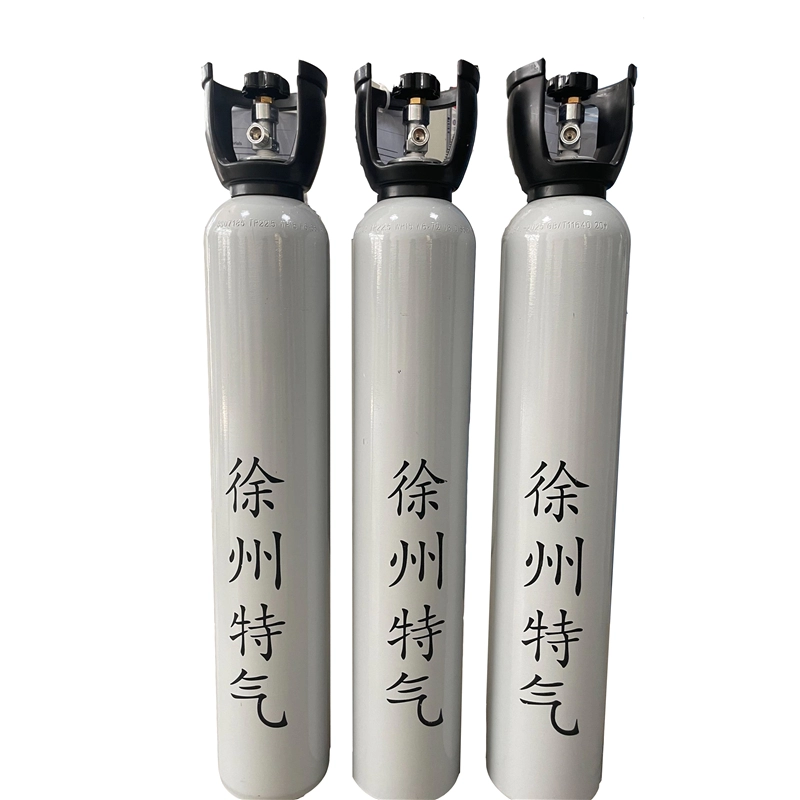
Makina onse ogulitsa, kuchokera kufakitale yathu mpaka kwa kasitomala semiconductor nsalu, imamangidwa mozungulira chitetezo. NF₃ amanyamulidwa mu masilindala achitsulo opangidwa mwapadera pansi pa kupsinjika kwakukulu. Ma cylinders awa amayesedwa mozama ndikutsimikizira kuti atha kukhala ndi chitetezo gasi. Monga ogulitsa, timapereka mwatsatanetsatane Mapepala a Chitetezo cha Chitetezo (SDS) ndi maphunziro kwa makasitomala athu za kusunga, kulumikiza, ndi kasamalidwe koyenera. Izi zikuphatikizapo malangizo pa mlingo wotuluka machitidwe owongolera ndi kuzindikira kutayikira.
Kwa eni mabizinesi ngati Mark, omwe nkhawa yake yayikulu ndi njira yoperekera yosalala komanso yodalirika, kuyanjana ndi wogulitsa yemwe ali ndi mbiri yotsimikizika yachitetezo ndikofunikira. Kuyankhulana kosakwanira kapena kusowa kwa ndondomeko zomveka bwino za chitetezo kuchokera kwa ogulitsa ndi mbendera yofiira kwambiri. Timanyadira kupereka osati chinthu chokha, koma ntchito yathunthu yomwe imaphatikizapo ukadaulo wothandizirana ndi chitetezo, kuonetsetsa gasi imafika ndikusamalidwa bwino panjira iliyonse.
Kodi Nitrogen Trifluoride Ndi Gasi Wowonjezera Kutentha? Kumvetsetsa Zokhudza Zachilengedwe.
Ndikofunikira kukhala poyera pazachilengedwe NF₃. Inde, Nayitrogeni Trifluoride ndi wamphamvu mpweya wowonjezera kutentha. Bungwe la Intergovernmental Panel on Climate Change (IPCC) lawerengera kuti lili ndi mphamvu ya kutentha kwapadziko lonse (GWP) kuwirikiza masauzande ambiri kuposa mpweya. dioksidi pa nthawi ya zaka 100. Izi ndi zoona kuti makampani amatenga mozama kwambiri.
Komabe, nkhaniyi simathera pamenepo. The kukhudza chilengedwe sizimadalira kokha pa mphamvu ya mpweya, komanso kuchuluka kwake komwe kumatulutsidwa mumlengalenga. Monga tanena kale, NF₃ ndiyothandiza kwambiri. Masiku ano semiconductor malo, ambiri a gasi wogwiritsidwa ntchito imadyedwa kapena kuwonongedwa panthawi yopanga. The plasma amachiphwanya, ndi chirichonse osakhudzidwa gasi zomwe zatha zimatumizidwa ku dongosolo lochepetsera. Machitidwewa ndi othandiza kwambiri, nthawi zambiri amawononga 99% ya otsala NF₃.
Kusintha kwamakampani kuchokera ku PFC kupita ku NF₃, kuphatikizidwa ndi kufala kwa ukadaulo wochepetsera anthu, kwenikweni zapangitsa kuti kuchepeko mpweya wowonjezera kutentha pa unit yopanga. Wodalirika opanga semiconductor ndipo ogulitsa gasi amagwirira ntchito limodzi kuti awonetsetse kuti mpweya uchepe. Izi zimaphatikizapo kukhathamiritsa njira yoyeretsera kuti mugwiritse ntchito pang'ono gasi zofunika ndi kusunga ndondomeko zochepetsera kuti ntchito yapamwamba. Choncho, nthawi NF₃ ndi wamphamvu mpweya wowonjezera kutentha m'malo a lab, malo ake enieni achilengedwe kupanga semiconductor imayendetsedwa mosamala komanso yotsika kwambiri kuposa njira zina zomwe zidasinthidwa.
Kodi Ntchito Yopanga Gasi Patsamba Pansalu Zazikulu Za Semiconductor Ndi Chiyani?
Mulingo wamakono kupanga semiconductor ndizodabwitsa. Malo akuluakulu, omwe amadziwika kuti mega-fabs, amadya mpweya wochuluka kwambiri. Kwa mipweya ina, monga nayitrogeni, ndiyothandiza kwambiri kuti ipangidwe mwachindunji pamalopo m'malo mokwera magalimoto masauzande ambiri. Izi zimadziwika kuti komweko m'badwo. Kwa apadera kwambiri komanso otakataka gasi monga NF₃, mtundu wosiyana pang'ono ukuwonekera: komweko kuyeretsedwa ndi kusanthula.
Ndili wodzaza NF₃ kupanga pa nsalu ndi zachilendo chifukwa cha zovuta zake, ogwiritsa ntchito ambiri nthawi zambiri amakhala ovuta komweko machitidwe oyendetsera gasi. Kupereka kochuluka kwa NF₃ imaperekedwa ku nsalu, ndiyeno dongosololi limachita gawo lomaliza kuyeretsedwa ndi kusanthula mosalekeza khalidwe pamaso pa gasi akulowa zida zopangira zodula. Izi zimapereka chiwongolero chomaliza cha kayendetsedwe kabwino, kuwonetsetsa kuti kuipitsidwa kulikonse komwe kungachitike kuchokera ku mizere yoperekera kumagwidwa. Njirayi ikuphatikiza phindu lachuma la kugula kwakukulu ndi chitsimikizo cha khalidwe la komweko kasamalidwe.
Kumvetsetsa njira zoperekera zoperekera izi ndizofunikira. Monga ogulitsa, takulitsa ntchito zathu kuposa kungodzaza masilinda. Tsopano timagwira nawo ntchito opanga semiconductor padziko lonse lapansi kupanga ndi kukhazikitsa njira zoyendetsera gasi ndi kasamalidwe kokwanira. Izi zingaphatikizepo kudzipereka kupanga mzere kuthekera kwa kasitomala wamkulu, zida zapadera, kapena kuphatikiza ndi awo komweko machitidwe. Ndizokhudza kupereka njira zosinthika komanso zodalirika zomwe zimakwaniritsa zofunikira za Kupanga kwazaka za 21st. Ichi ndi gawo lofunikira kwambiri pamalingaliro athu, makamaka tikamatumikira makasitomala mwachangu luso lopanga.
Kodi NF₃ Purity Imakhudza Bwanji Zokolola Pakupanga Chip?
Mu semiconductor dziko, "zokolola" ndi chirichonse. Ndi kuchuluka kwa zabwino, zogwirira ntchito tchipisi zopangidwa kuchokera ku imodzi silicon mtanda. Zokolola zambiri zimatanthauza kupindula kwakukulu; zokolola zochepa zingakhale zowononga ndalama. Chiyero cha ndondomeko mpweya, makamaka zotakasika gasi monga NF₃, imakhudza mwachindunji komanso modabwitsa zokolola.
Tangoganizani chidetso ngati kachinthu kakang'ono ka chinyezi (H₂O) kapena china mpweya palimodzi osakanikirana ndi NF₃. Pa tcheru etch ndondomeko, kuti chidetso Zitha kusokoneza kachitidwe ka mankhwala, zomwe zimapangitsa kuti pakhale vuto losawoneka bwino mumayendedwe a chip. Ikhoza kulepheretsa etch, kusiya zinthu zomwe siziyenera kukhala, kapena kuyambitsa kutsekemera, kuchotsa zinthu zambiri. Mulimonsemo, zotsatira zake Integrated dera adzalephera mayeso ake omaliza. Pamene mukupanga mamiliyoni a ma transistors pa chip chimodzi, ngakhale "chilema chakupha" chimodzi choyambitsidwa ndi chidetso ikhoza kupangitsa chip chonse kukhala chopanda ntchito.
Ichi ndichifukwa chake timayika ndalama zambiri pakuwongolera khalidwe. Popereka chitsimikiziro, chowonjezerachiyero chapamwamba NF₃, timapatsa makasitomala athu chidaliro kuti gasi sikudzakhala gwero la zilema. Kulamulira ndende gawo lililonse mpaka gawo la biliyoni iliyonse limatsimikizira kuti kupanga ndondomeko ndi yokhazikika komanso yobwerezabwereza. Njira yokhazikika imatsogolera ku zodziwikiratu komanso zapamwamba zokolola, chomwe chiri cholinga chachikulu cha aliyense semiconductor wopanga. Ntchito yathu ngati ogulitsa High Purity Specialty Gasi ndikuchotsa zosinthika ndikupereka chinthu chamtundu wosanyengerera.
Kodi Muyenera Kuyang'ana Chiyani mu Nayitrogeni Trifluoride Supplier?
Kwa woyang'anira zogulira zinthu ngati Mark, kusankha wothandizira woyenera pazinthu zofunika kwambiri NF₃ zimapita kutali kuposa kungoyerekeza mitengo. Kuopsa kwa mgwirizano woipa-kuchedwa kutumizidwa, nkhani zabwino, kulankhulana kosakwanira-ndizokwera kwambiri. Kutengera ndi zomwe ndakumana nazo, nazi zinthu zofunika kuziganizira:
Choyamba, khalidwe lotsimikizika ndi certification. Wogulitsa wodalirika adzapereka Satifiketi Yowunikira (CoA) ndi chilichonse chomwe chatumizidwa, kufotokoza za ukhondo ndikulemba zonyansa zilizonse zomwe zapezeka. Ayenera kutsata miyezo yapadziko lonse lapansi monga ISO 9001. Afunseni za kuthekera kwawo pakuwunika. Kodi ali ndi zida zodziwira zonyansa pamilingo yofunikira semiconductor mapulogalamu?
Chachiwiri, kudalirika kwaunyolo ndi kuwonekera. Kodi wogulitsa angawonetse netiweki yamphamvu yoletsa kuchedwa? Kodi iwo ndi zosafunikira luso lopanga kuonetsetsa kuti chakudya chili chokhazikika? Kulankhulana ndikofunika apa. Wothandizira wanu ayenera kukhala wokangalika, wopereka zosintha pa zotumiza ndi kupezeka kuti ayankhe mafunso. Izi zikufotokozera mwachindunji mfundo yowawa ya kulankhulana kosakwanira.
Pomaliza, yang'anani ukatswiri waukadaulo. Wogulitsa wabwino samangogulitsa chinthu; amapereka yankho. Ayenera kumvetsetsa mapulogalamu anu ndikutha kukupatsani chithandizo chaukadaulo. Ayenera kukhala odziwa za chitetezo, kasamalidwe, komanso malamulo a chilengedwe ozungulira ntchito gasi. Wopereka katundu yemwe angachite ngati mnzake wodziwa zambiri ndi wofunika kwambiri kuposa amene amangogulitsa. Ukatswiri uwu ndiye maziko a ubale wautali, wopindulitsa. Timayesetsa kukhala ogwirizana ndi makasitomala athu onse, osati kungopereka gasi koma mtendere wamumtima umene umabwera nawo.
Zofunika Kwambiri
- Chida Chofunikira: Nitrogen Trifluoride (NF₃) ndi wapadera wapadera gasi amagwiritsidwa ntchito poyeretsa plasma ndi kuyeretsa zipinda njira yopangira semiconductor.
- Kuchita Kwapamwamba: NF₃ imagwira ntchito bwino komanso imawononga chilengedwe kuposa mipweya yakale ya PFC yomwe idalowa m'malo, chifukwa cha kuchuluka kwa kagwiritsidwe ntchito komanso njira zamakono zochepetsera.
- Ungwiro ndi Phindu: The kopitilira muyeso chiyero cha NF₃ sizingakambirane. Ngakhale zonyansa zimatha kuyambitsa zolakwika pa a silicon mtanda, kuchepetsa kwambiri zokolola ndi phindu la kupanga chip.
- Chitetezo ndi Kusamalira ndizofunikira: Ndili wokhazikika, NF₃ ndi poizoni ndi oxidizing gasi zomwe zimafuna kugwira ntchito mwapadera, masilinda ovomerezeka, komanso kumvetsetsa mozama zachitetezo.
- Kusankha kwa Supplier ndikofunikira: Posankha a NF₃ ogulitsa, ikani patsogolo mtundu wotsimikizirika, kudalirika kwa chain chain, kulankhulana mowonekera, ndi ukatswiri wakuya waukadaulo pamtengo wokha.