
The Ultimate Guide to On-Site Gas Generation: Unlocking Cost Savings and a Reliable Gas Supply
In the world of industrial manufacturing, managing your supply chain is everything. As the owner of a major industrial gas factory in China, my name is Allen, and I've spent years helping businesses across the USA, Europe, and Australia secure the critical gases they need. I understand the pressures that procurement leaders like Mark Shen face every day. You're constantly balancing the need for impeccable quality with competitive pricing, all while navigating the complexities of international logistics. You need a reliable source, but you're wary of shipment delays and communication breakdowns that can bring your operations to a halt. This is precisely why the conversation around on-site gas generation is becoming so critical.
This article is your comprehensive guide to understanding this transformative technology. We'll move beyond the buzzwords and dive into how on-site nitrogen generation actually works, where it delivers the most significant benefits, and how it compares to traditional supply methods like cylinders and bulk liquid tanks. For a decisive leader like you, this information is key to not only optimizing your own operations but also to better serving your customers by offering them the most efficient and cost-effective solutions. Let's explore how taking control of your gas supply can become your next major competitive advantage.
What Exactly is On-Site Nitrogen Generation?
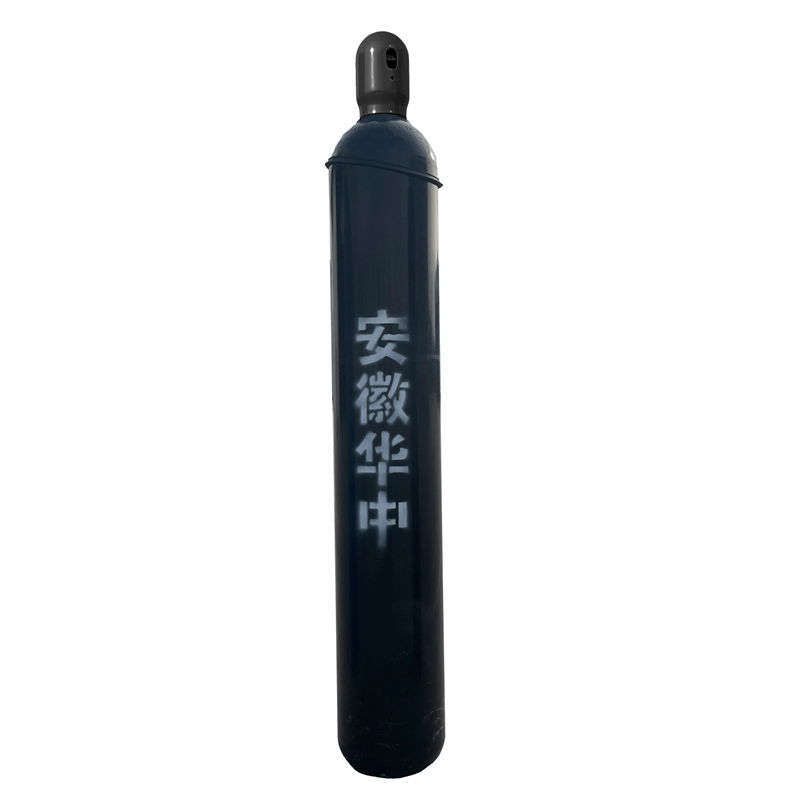
At its core, on-site nitrogen generation is the process of producing the exact amount of nitrogen gas you need, right at your facility, on demand. Think of it as moving from a subscription model for your gas to owning the factory yourself. Instead of relying on regular deliveries of high-pressure nitrogen cylinders or large cryogenic tanks of liquid nitrogen, an on-site system gives you a continuous, independent nitrogen supply. This technology separates nitrogen from the air we breathe (which is about 78% nitrogen and 21% oxygen).
The traditional method involves a complex supply chain. An industrial gas producer like my company separates air at a massive facility, liquefies or compresses the nitrogen, and then transports it to a distributor or directly to you. This process involves logistics, transportation costs, and potential for delays. On-site generation fundamentally changes this dynamic. A compact generator is installed at your site, connected to a standard air compressor. This on-site gas generation setup eliminates the entire delivery infrastructure, giving you unprecedented control and reliability over one of your most critical utilities.
This shift represents more than just a new piece of equipment; it's a strategic move towards operational independence. For businesses that use nitrogen in their daily industrial processes, from food packaging to electronics manufacturing, the ability to produce nitrogen in-house eliminates the headaches of scheduling deliveries, managing cylinder inventory, and worrying about price volatility in the bulk gas market. It's a reliable, modern generation solution.
How Do On-Site Nitrogen Generators Work to Produce Gas?
You might be wondering how a simple machine can extract nitrogen from thin air. The magic lies in two primary, well-established technologies that nitrogen generators work on: Pressure Swing Adsorption (PSA) and Membrane separation. While they sound complex, the principles are quite straightforward. Both systems start with the same input: regular compressed air.
1. Pressure Swing Adsorption (PSA) Generators:
A PSA generator is the workhorse for applications requiring high purity nitrogen (from 99.5% up to 99.999%). It works using a material called Carbon Molecular Sieve (CMS). Imagine two identical towers filled with tiny, porous CMS beads.
- Step 1 (Adsorption): Compressed air is fed into the first tower. The CMS acts like a sponge, but it's selective. It traps the smaller oxygen molecules while letting the larger nitrogen molecules pass through.
- Step 2 (Collection): The pure nitrogen gas is collected in a storage tank for your use.
- Step 3 (Regeneration): As the first tower's CMS becomes saturated with oxygen, the system cleverly switches the airflow to the second tower. The first tower is then depressurized, which causes the CMS to release the trapped oxygen molecules, purging them into the atmosphere.
- Step 4 (Repeat): This cycle, the "pressure swing," repeats continuously, ensuring a constant flow of high purity nitrogen gas.
2. Membrane Nitrogen Generators:
A membrane nitrogen generator is a simpler, often more compact solution, ideal for applications that require lower purity levels (typically 95% to 99.5%).
- The Technology: This generator uses a bundle of hollow, semi-permeable polymer fibers.
- How it Works: Compressed air is passed through these fibers. The walls of the fibers are designed to allow "fast" gases like oxygen, water vapor, and carbon dioxide to permeate through and be vented away.
- The Result: The larger, "slower" nitrogen molecules can't pass through the membrane walls as easily. They continue down the length of the fibers and are collected at the end as the final product gas. The flow rate and pressure of the incoming air can be adjusted to control the final purity level.
Choosing the right generator technology depends entirely on your specific needs for purity and flow, a topic a good supplier can guide you through.
What are the Real Cost Savings of On-Site Gas Production?
For a procurement leader, the bottom line is always a top priority. This is where on-site gas production truly shines. While there is an initial capital investment for the generator and compressor, the long-term cost savings are substantial and multifaceted. The return on investment for an on-site nitrogen generation system is often realized within 12 to 24 months.
Let's break down the savings compared to traditional delivered nitrogen:
| Cost Factor | Traditional Supply (Cylinders / Bulk Liquid) | On-Site Gas Generation |
|---|---|---|
| Gas Cost | Pay per unit of gas, subject to market volatility. | The "raw material" is free air. The only cost is the electricity to run the compressor. |
| Rental Fees | Ongoing monthly rental fees for every cylinder or bulk tank on your site. | None. You own the equipment. |
| Delivery Fees | Transportation charges, fuel surcharges, and hazardous material handling fees with every delivery. | None. Delivery is eliminated. |
| Wasted Gas | Nitrogen cylinders are often returned with 10% of the gas still inside due to pressure loss. This is gas you paid for but couldn't use. | None. You produce only what you need. |
| Admin Costs | Labor costs for processing purchase orders, managing inventory, and handling invoices. | Drastically reduced. |
By generating your own nitrogen, you move from a variable, operational expense to a fixed, predictable utility cost. You are no longer at the mercy of supplier price increases or volatile fuel surcharges. The benefits of on-site gas generation provide price stability and budget certainty, which is invaluable for long-term financial planning.
Can an On-Site Generator Match the Purity of Bulk Liquid Nitrogen?
This is a critical question I hear from technically-minded clients, and the answer is a resounding yes. The quality of the generated gas is not a compromise. Modern on-site nitrogen generators are sophisticated pieces of equipment designed to deliver a precise and consistent purity level tailored to your exact needs.
The key is selecting the right type of generator. As we discussed, PSA generator technology is specifically designed for high purity applications. These systems can reliably produce purity nitrogen up to 99.999% (often referred to as Grade 5.0), which meets or exceeds the requirements for demanding industrial applications like electronics manufacturing, pharmaceutical production, and precision laser cutting. You have complete control over the output; the system can be calibrated to your exact purity specification.
For applications where such extreme purity isn't necessary, like in much of the food and beverage industry for modified atmosphere packaging, a membrane nitrogen generator is a highly efficient choice. It can produce nitrogen at purities from 95% to 99.5%, and using a lower purity when possible significantly improves the energy efficiency of the gas generation process. The benefit of on-site systems is that you don't have to pay for a higher purity than you actually need, unlike with bulk liquid nitrogen which is typically produced at a very high purity level for all users.
How Does On-Site Generation Enhance Workplace Safety and Reduce Your Carbon Footprint?
Beyond the financial benefits, adopting on-site generation has a significant positive impact on both workplace safety and your company's environmental impact. These are increasingly important factors for modern, responsible businesses.
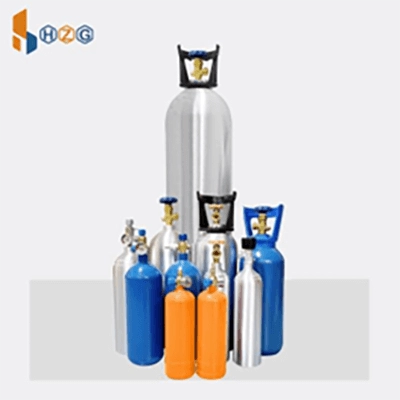
From a safety perspective, nitrogen generation eliminates the risks associated with handling and storing high-pressure gas cylinders. A standard cylinder can be pressurized up to 3000 PSI or more. Moving these heavy, cumbersome cylinders presents a constant risk of workplace injuries. Furthermore, if a valve is damaged, a cylinder can become a dangerous projectile. On-site systems operate at much lower pressures and eliminate the manual handling of cylinders or bulk liquid containers entirely. This simplifies safety compliance and creates a safer working environment for your employees.
From an environmental standpoint, the reduction in your carbon footprint is dramatic. Consider the journey of a single nitrogen cylinder: it's transported from a large air separation plant to a local depot, and then from the depot to your facility on a heavy gas truck. This process is repeated for every single delivery. On-site nitrogen generation removes all of these delivery vehicles from the road, significantly cutting down on fossil fuel consumption and associated greenhouse gas emissions. This is a clear, measurable way to make your operations greener and more sustainable.
Is an On-Site Gas Generator Right for Every Application?
While the benefits of on-site nitrogen generation are compelling, it's important to be realistic. This solution is not a one-size-fits-all answer. For some businesses, traditional supply methods like Bulk High Purity Specialty Gases may still be the most practical option. A trustworthy supplier will help you analyze your needs to determine the best fit.
The ideal candidate for on-site gas generation is a business with a relatively stable and continuous demand for nitrogen. The initial investment in a generator makes the most sense when it's running consistently, as this maximizes your return. Companies with very low or highly erratic gas consumption—for example, a small lab that uses one cylinder of nitrogen a month—would likely find that sticking with bottled nitrogen is more economical.
Another consideration is peak flow. If your process has extremely high, short-duration peak demands for nitrogen gas, an on-site generator might need to be oversized to meet that peak, or supplemented with a backup system. In these cases, a bulk liquid nitrogen tank, which can deliver very high flow rates on demand, might be a better solution. The decision requires a careful analysis of your consumption patterns, required purity level, and financial objectives.
Which Industrial Processes Benefit Most from On-tite Nitrogen?
The applications of nitrogen are incredibly diverse, and many industries are leveraging on-site production to improve efficiency and lower costs. The ability to produce a reliable source of nitrogen on demand is a game-changer across multiple sectors.
Here are some of the most common industrial applications:
- Food Packaging: In the food and beverage industry, nitrogen is used to displace oxygen in packaging. This process, known as Modified Atmosphere Packaging (MAP), extends shelf life, preserves freshness, and prevents the growth of aerobic microbes.
- Electronics Manufacturing: Soldering processes, especially for circuit boards, require an inert nitrogen atmosphere to prevent oxidation, ensuring high-quality and reliable solder joints.
- Laser Cutting: High purity nitrogen is used as an assist gas in laser cutting. It provides a clean, oxide-free cut edge, which is essential for materials like stainless steel and aluminum, eliminating the need for secondary cleaning processes.
- Chemical and Pharmaceutical: Nitrogen is used for "blanketing" volatile chemicals in tanks and pipelines. This inert layer prevents dangerous reactions with oxygen and moisture in the air.
- Heat Treatment: In metal fabrication, a nitrogen atmosphere in furnaces prevents scaling and oxidation during processes like annealing and hardening, resulting in a superior product finish.
For these industries and more, having a continuous supply of nitrogen is not just a convenience; it's essential for maintaining product quality and operational uptime.
Nitrogen Generator vs. Cylinders or Bulk Liquid: Making the Right Choice
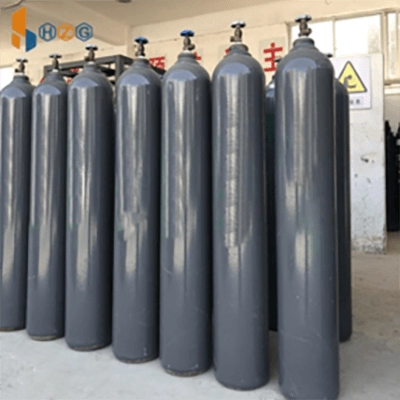
As a procurement professional, your job is to find the optimal solution. The choice between on-site generation, nitrogen cylinders, and bulk liquid depends on three key factors: consumption volume, purity requirements, and capital availability.
Here is a simplified decision-making guide:
| Supply Method | Best For... | Key Advantages | Key Disadvantages |
|---|---|---|---|
| Nitrogen Cylinders | Very low, intermittent, or unpredictable gas usage. Multiple use-points. | Low upfront cost. Portability. | Highest cost per unit of gas. Manual handling safety risks. Supply chain interruptions. |
| On-Site Nitrogen Generator | Low to medium, stable, and continuous gas usage. | Lowest long-term cost per unit. Full control over supply. Improved safety. Stable pricing. | Higher initial capital investment. Requires space and maintenance. |
| Bulk Liquid Nitrogen | Very high, continuous, or highly variable usage with large peaks. | Lower cost than cylinders. Can handle very high flow rates. | Requires a large outdoor footprint for the tank. Delivery logistics and fees. Long-term supply contracts. |
Ultimately, the best way to decide is to conduct a thorough audit of your current gas consumption. Analyze your monthly invoices for bottled nitrogen or bulk liquid, including all the hidden costs like rental and delivery fees. Compare that total cost to the projected operational cost of an on-site gas generator. A reliable partner can perform this analysis for you, providing a clear picture of the potential savings and payback period.
What is the Process for Installing an On-Site Generation System?
Getting started with on-site nitrogen is a straightforward process when you work with an experienced provider. It’s not just about buying a generator; it's about engineering a complete solution for your facility.
The typical process looks like this:
- Needs Assessment: A technical specialist will visit your site to understand your application. They will measure your current flow rate, test your required purity level, and analyze your consumption patterns.
- System Sizing and Selection: Based on the assessment, the right generator technology (PSA or membrane) and size will be recommended. This will also include sizing the necessary air compressor and any required storage tanks for both compressed air and the final nitrogen gas.
- Proposal and ROI Analysis: You will receive a detailed proposal outlining the equipment costs, installation plan, and a clear return on investment calculation based on your current spending on delivered nitrogen.
- Installation and Commissioning: Once approved, the equipment is delivered and installed by certified technicians. They will connect the system to your power supply and your existing piping network. The system is then commissioned, tested, and calibrated to ensure it produces the exact amount of nitrogen at the specified purity.
- Training and Handover: Your team will be trained on the basic operation and monitoring of the on-site system. Modern generators are highly automated and require minimal daily interaction.
Why Partnering with a Full-Service Gas Supplier is Your Smartest Move
The world of industrial gas is evolving. As a business owner like me, I see that our role is changing from being just a supplier to being a solutions partner. This is crucial for leaders like Mark, who have faced the pain of poor communication and unreliable suppliers. The best partner is one who isn't just trying to sell you a generator or a tank of liquid nitrogen. The best partner is one who takes the time to understand your business and can offer the right solution, whatever it may be.
Our expertise at Huazhong Gas covers the entire spectrum. We have seven production lines manufacturing high-quality bulk gases, from Nitrogen and Oxygen to complex specialty mixtures. We understand the logistics and quality control required for traditional supply. We also have the technical expertise to design and support on-site nitrogen generation and oxygen generation systems. This means when you come to us, you get an unbiased recommendation tailored to your unique operational and financial goals.
We can help you analyze your usage, project your ROI, and decide if on-site is your best path forward. If it is, we can help you implement it. If traditional bulk supply makes more sense, we can provide a reliable, high-quality, and cost-competitive solution. The goal is to build a long-term partnership based on trust, expertise, and a shared commitment to efficiency.
Key Takeaways
- Take Control: On-site nitrogen generation moves your gas supply from a logistical challenge to a predictable, in-house utility, eliminating reliance on deliveries.
- Significant Savings: By eliminating rental fees, delivery charges, and paying only for the electricity to run a compressor, businesses often see a return on investment in 1-2 years.
- Purity is Not a Compromise: Modern PSA and Membrane technologies can produce nitrogen gas at any required purity level, from 95% to 99.999%, tailored to your specific application.
- Safer and Greener: On-site generators eliminate the risks of handling high-pressure cylinders and drastically reduce your carbon footprint by taking delivery trucks off the road.
- It's a Strategic Choice: The decision between on-site, cylinders, or bulk liquid depends on your consumption volume and patterns. A thorough analysis is key to finding the most cost-effective solution.
- Find a True Partner: Work with a supplier who understands the full range of gas supply options and can provide an unbiased, expert recommendation for your business.