
How Industrial Gas Fuels the Aerospace and Manufacturing Industry’s Ascent
The roar of a rocket tearing through the atmosphere, the silent glide of a satellite in orbit, the precision of a modern aircraft—these marvels of the aerospace industry capture our imagination. But behind these incredible feats lies a world of unseen, indispensable materials. Industrial gases are the silent partners in this grand endeavor, crucial from the very first weld on a component to the final fiery push into space. This article peels back the layers to reveal how the industrial gas sector is not just a supplier but a foundational pillar that supports the space industry and aerospace manufacturing. For procurement leaders like Mark, understanding this intricate relationship is key to making strategic, quality-driven purchasing decisions that ensure both safety and success.
We will explore the specific gases used, their diverse applications in fabrication and propulsion, and the critical importance of quality and reliability. As a factory owner with seven production lines dedicated to these gases, I, Allen, have seen firsthand how the right gas solutions can make or break a project. This is your guide to navigating the complexities of sourcing gases for one of humanity's most demanding fields.
What is the fundamental role of industrial gas in aerospace manufacturing?
When you think of building an airplane or a rocket, you probably picture metal, composites, and complex electronics. But what holds it all together? What ensures the materials are strong enough to withstand extreme forces? The answer, in many cases, is industrial gas. These gases are involved in virtually every stage of manufacturing and fabrication. From cutting and welding components to creating protective atmospheres for heat treatment, industrial gases play a vital role. The quality of a final aerospace product is directly linked to the purity and proper application of the gases used during its creation.
Consider the basic act of joining two pieces of metal. In the aerospace industry, this isn't a simple task. The weld must be perfect—free of impurities, cracks, or weaknesses that could lead to catastrophic failure at 30,000 feet or in the vacuum of space. This is where gases come in. They create the ideal environment for the production process, ensuring that the metals bond with maximum strength and integrity. Think of it as a controlled bubble of perfection, shielding the delicate process from the unpredictable outside air. This is just one example, but it highlights a core principle: industrial gases are not just consumables; they are a critical ingredient in achieving the required performance and safety of aerospace components.
For procurement officers, this means looking beyond the price per cylinder. You must understand the specific gas requirements for different manufacturing processes. A supplier needs to do more than just deliver a product; they must provide a consistent, high-purity supply chain that you can trust. The manufacturing industry, especially in aerospace, operates on precision. Any deviation in gas quality can ripple through the production line, causing costly delays and, more importantly, compromising safety.
How do gases like argon and helium perfect the fabrication process?
The fabrication of aircraft and spacecraft involves working with advanced alloys like titanium, aluminum, and high-strength steel. These materials are chosen for their strength-to-weight ratio, but they are incredibly sensitive during manufacturing. When heated for welding and cutting, they can react with oxygen and nitrogen in the atmosphere, leading to oxidation and nitriding. This creates brittle, weak spots in the final component. This is where inert gases, specifically argon and helium, become indispensable.
Gases like argon and helium are used to create a shielding atmosphere around the weld area. Because they are inert, they don't react with the molten metal. This shield displaces the active gases in the air and allows for a pure, strong, and clean weld. Argon is the workhorse here. It's denser than air, providing excellent coverage and a stable arc in welding applications. For thicker materials or metals that conduct heat quickly, helium or an argon-helium mixture is often preferred. Helium provides a hotter arc, allowing for deeper penetration and faster welding speeds. I've worked with many clients who switched to a specific high-purity argon gas and saw a measurable decrease in weld defects.
The choice between argon, helium, or a mix isn't arbitrary. It depends on several factors:
- Material Type: Aluminum and copper benefit from helium's heat.
- Material Thickness: Thicker sections require the deeper penetration that helium provides.
- Welding Position: Argon's density makes it ideal for flat and horizontal welding.
- Cost: Helium is significantly more expensive than argon, so it's used when its specific properties are absolutely necessary.
This technical nuance is why a strong relationship with your gas supplier is so important. A good supplier acts as a partner, helping you select the right gas solutions to optimize your manufacturing and fabrication processes for both quality and cost-efficiency.
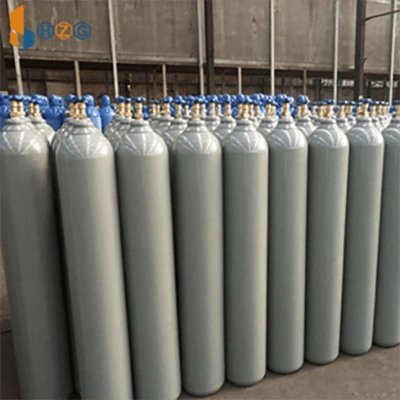
Can you weld in space? The critical role of inert gases.
This question sounds like science fiction, but it's a very real challenge for building and maintaining structures like the International Space Station (ISS) and future habitats on the Moon or Mars. While much of the assembly is done on Earth, the need for in-space repairs and construction is growing. The primary challenge? The vacuum of space. While a vacuum means there's no oxygen to contaminate a weld, it presents its own problems, such as outgassing, where trapped gases within a metal are released, creating a porous, weak bond.
Here, the principles of inert gas shielding learned on Earth are adapted for aerospace operations. Special welding tools designed for space can release a small, controlled cloud of an inert gas like argon directly at the welding point. This creates a localized, pressurized environment that stabilizes the molten metal, prevents outgassing, and ensures a solid bond. This technology is critical for the long-term viability of space stations and the emergence of new ventures like the pursuit of privatized space stations.
The role of inert gas extends beyond just welding. It's used to purge fuel lines, pressurize cabins and tanks, and create inert environments for sensitive scientific experiments conducted in orbit. For any company involved in building components for space exploration, providing gases that meet the extreme purity and reliability standards is non-negotiable. There are no second chances when you're 250 miles above the Earth. This is a world where certificate fraud isn't just a business problem; it's a life-threatening risk.
What are the most common propellant gases for launch and satellite propulsion?
Getting a spacecraft off the ground is an exercise in controlled violence. It requires immense power, generated by the rapid combustion of fuel and an oxidizer. Industrial gases are used at the very heart of this process, both as propellants themselves and as essential support gases. The most recognizable propellant gases are liquid hydrogen and liquid oxygen (LOX). When combined and ignited in rocket engines, they produce a massive amount of thrust with water as the primary exhaust product, making it a relatively clean and highly efficient combination.
Beyond the main engines, other gases play crucial roles. Nitrogen and helium are used to pressurize the main fuel tanks. This is vital because as fuel is consumed, a vacuum would otherwise form, potentially causing the tank to collapse or the fuel flow to falter. The pressurant gas pushes the propellants into the engine at a consistent rate. Helium is often favored for this in upper stages because it is lightweight and remains a gas even at the cryogenic temperatures of liquid hydrogen.
Once in orbit, the mission isn't over. Satellites need to make small adjustments to their position, a process known as station-keeping. They also need to be de-orbited at the end of their life. For this, satellite propulsion systems often use monopropellants like hydrazine or advanced electric propulsion systems like ion thrusters. These thrusters use an industrial gas—often a rare gases like xenon—and ionize it with electricity. The ions are then accelerated by an electric field and shot out the back, producing a small but incredibly efficient thrust. This method allows a satellite to stay in its correct orbit for years using very little fuel.
Beyond the Launchpad: How do industrial gases support satellite and spacecraft operations?
The vital role of industrial gas doesn't end once a satellite reaches its designated orbit. For the duration of its mission, a spacecraft is a self-contained ecosystem that relies on various gases to function. The life support systems on crewed vehicles like the ISS or future long-duration missions are a prime example. They require a constant, reliable supply of breathable air—a precise mixture of oxygen and nitrogen. Carbon dioxide scrubbers are also essential, using chemical processes to remove the CO₂ exhaled by astronauts, preventing a toxic buildup.
Furthermore, the sophisticated electronics and sensors on any satellite or spacecraft are extremely sensitive to temperature fluctuations. As a satellite moves in and out of the Earth's shadow, it experiences extreme heat and cold. Nitrogen is often used in closed-loop cooling systems. It circulates through pipes to draw heat away from critical components and radiate it out into space, acting as a thermal regulation fluid. This prevents overheating that could damage or destroy the sensitive instruments that perform the satellite's primary function, whether it's communication, Earth observation, or scientific research.
In my experience, the procurement needs for these aerospace applications are among the most stringent. A company like ours must not only supply the gas but also provide specialized containers and handling procedures that meet rigorous safety standards. The gases must be of ultra-high purity, as even trace contaminants could interfere with life support or damage delicate electronics. The reliability of these systems is paramount, as a failure in the deep of space can mean the total loss of a multi-million dollar asset.
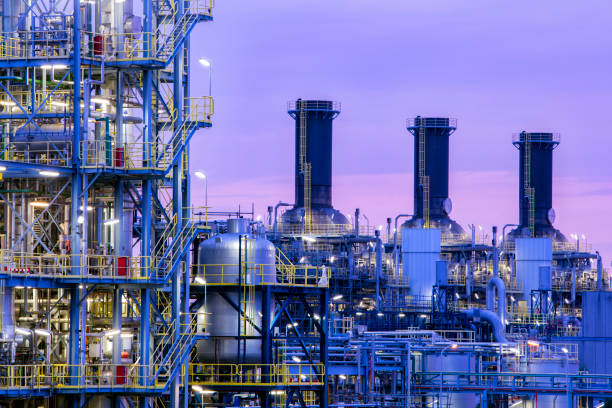
Why is nitrogen the unsung hero in aerospace testing and safety?
While hydrogen and oxygen get the glory for powering launches, nitrogen is the quiet, indispensable workhorse of the aerospace sector. Its primary superpower is that it is inert and abundant. This makes it incredibly useful for a wide range of applications where preventing a chemical reaction—especially combustion—is the goal. Before any launch, fuel tanks and lines that will eventually hold highly flammable propellants are purged with large volumes of nitrogen. This process flushes out any residual oxygen and moisture, eliminating the risk of an accidental explosion during fueling.
This commitment to safety extends to ground-based engine testing. When engineers test-fire powerful rocket engines, they do so in specialized facilities. These facilities are often flooded with nitrogen or water to suppress the intense acoustic vibrations and heat, protecting the test stand and personnel. Similarly, nitrogen is used to create controlled environments in thermal vacuum chambers. These chambers simulate the harsh conditions of space, and a pure nitrogen atmosphere is used to test how aerospace components will perform under extreme temperature and pressure changes before they ever leave Earth. This testing is crucial for ensuring that every part of a spacecraft can survive the journey.
From a procurement perspective, the demand for nitrogen is constant and voluminous. As a supplier, we provide it in various forms, from high-pressure cylinders for smaller tasks to large cryogenic tanks of liquid nitrogen for testing and large-scale purging operations. Mark, a procurement officer, would be looking for a supplier who can offer flexible supply options to meet these diverse needs, ensuring a steady flow of this critical safety gas without interruption.
Fueling the Future: Hydrogen's Role in Modern Propulsion Systems
Hydrogen is the lightest and most abundant element in the universe, and its potential as a clean, powerful rocket fuel is unmatched. As mentioned, liquid hydrogen, when combined with an oxidizer like liquid oxygen, offers the highest specific impulse (a measure of engine efficiency) of any chemical rocket propellant. This means it provides more thrust for a given amount of fuel, which is a massive advantage when trying to escape Earth's gravity. The Space Shuttle's main engines and the upper stages of rockets like the Delta IV and the new Space Launch System (SLS) all rely on the power of hydrogen.
The challenges of using hydrogen are significant. It must be kept at an incredibly cold cryogenic temperature (-253°C or -423°F) to remain a liquid, which requires heavily insulated tanks and sophisticated handling. However, the benefits are driving innovation. As the world pushes toward more sustainable energy, the aerospace industry is exploring hydrogen not just for rockets but also for commercial aircraft. Hydrogen-powered jets could dramatically reduce the carbon footprint of air travel, representing a monumental shift in the manufacturing industry.
For us as a manufacturer, this means investing in the infrastructure to produce and transport liquid hydrogen as a powerful fuel safely and efficiently. The purity requirements are absolute. Any impurities could freeze and block fuel lines, leading to engine failure. As we look to a future with a human presence on the Moon and onward to Mars, the ability to produce hydrogen on-site from resources like water ice will be a game-changing technology, and the principles of handling this powerful industrial gas are being perfected right now.
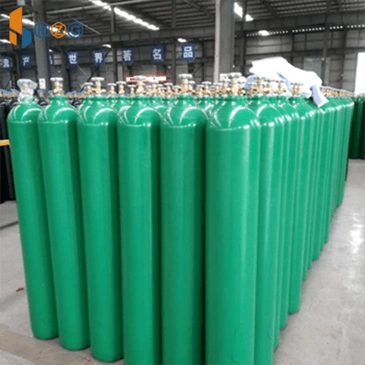
The Rise of Additive Manufacturing: What's the gas connection?
Additive manufacturing, more commonly known as 3D printing, is revolutionizing aerospace manufacturing. Instead of carving a complex part from a solid block of metal and wasting material (subtractive manufacturing), 3D printing builds it layer by layer from a metal powder. This allows for the creation of intricate, lightweight, and incredibly strong components that were previously impossible to make. So, where do industrial gases fit into this futuristic process?
The connection is, once again, all about creating the perfect atmosphere. In a process called Selective Laser Melting (SLM), a high-powered laser melts fine metal powder. To prevent the hot, reactive metal powder from oxidizing, the entire build chamber is filled with a high-purity inert gas, usually argon or sometimes nitrogen. This ensures that each layer fuses perfectly to the last without any impurities, resulting in a final part with the same strength as a traditionally manufactured one.
The benefits for the aerospace industry are immense:
- Reduced Weight: Parts can be designed with complex internal lattices, saving weight without sacrificing strength.
- Less Waste: Only the material needed for the part is used.
- Faster Prototyping: New designs can be printed and tested in days instead of months.
- Consolidated Parts: A component that used to be made of 20 individual pieces can now be printed as a single, stronger unit.
As a supplier, providing the extremely high-purity gases needed for additive manufacturing is a growing part of our business. The integrity of a 3D-printed jet engine turbine blade or rocket nozzle depends entirely on the quality of the atmospheric shield provided by our gases. We often work with clients to develop specific complex gas mixtures to optimize the printing process for different alloys.
What are the challenges in supplying rare gases for the space industry?
While gases like nitrogen and argon are relatively plentiful, the space industry also relies on rare gases like xenon, krypton, and neon. These gases are present in the atmosphere in tiny concentrations (xenon, for example, is about 1 part in 11.5 million), making them difficult and expensive to extract. Their unique properties, however, make them essential for certain high-tech aerospace applications.
The most significant use, as mentioned earlier, is xenon as a propellant in ion thrusters for satellite propulsion. Xenon is ideal because it is heavy, inert, and has a low ionization energy, making it efficient to use in electric propulsion systems. Neon is used in some specialized lasers and as a cryogenic refrigerant. The challenge for a supplier is not just the high cost but also ensuring a stable supply chain. The global supply of these gases is limited, and demand from other industries (like semiconductor manufacturing) is also high.
For a procurement officer like Mark, sourcing rare gases requires careful planning and a strong relationship with a trustworthy supplier. You need a supplier who has a proven track record of sourcing these materials and can guarantee their purity. In this niche market, reliability and transparency are even more critical than with common industrial gases. The success of a long-term satellite mission could depend on securing a supply of just a few kilograms of xenon. This is a prime example of where the lowest price is rarely the best value, as a failure to deliver could jeopardize an entire project.
Choosing a Supplier: Why Quality and Reliability Matter More Than Ever in the Aerospace Sector
In my years as a manufacturer exporting to demanding markets in the USA, Europe, and Australia, I've seen what separates a mere vendor from a true partner. For an industry as unforgiving as aerospace, the choice of an industrial gas supplier is a critical decision that directly impacts performance and safety. A procurement officer needs to look beyond the cost per unit and evaluate a supplier on a foundation of trust, expertise, and reliability. The pain points are real: communication breakdowns, shipment delays, and fraudulent certifications can have devastating consequences.
Here is what I believe you should demand from your supplier:
- Unwavering Quality: The supplier must provide comprehensive certificates of analysis for every batch, proving that the gas meets or exceeds the required purity levels. Their production facilities should be compliant with international standards like ISO.
- Technical Expertise: Your supplier's team should be knowledgeable. They should be able to discuss your manufacturing processes, whether it's a specific weld procedure or an engine testing protocol, and recommend the optimal gas solutions. They are a resource, not just an order-taker.
- Reliable Logistics: A promise of on-time delivery is essential. In the aerospace manufacturing world, a delayed shipment of nitrogen can halt an entire production line, causing a cascade of problems. A good supplier has robust logistics and contingency plans.
- Transparent Communication: You need a single point of contact who understands your needs and can provide clear, prompt updates. This is especially true when sourcing from overseas, where language and time zone differences can be a barrier.
The bottom line is that quality and reliability are the cornerstones of safety in the aerospace sector. Every cylinder of argon, every tank of liquid hydrogen, every puff of xenon from an ion thruster is a link in a chain of trust. As a manufacturer, our identity is built on forging that chain with the strongest possible links, ensuring that when our products reach your facility, they contribute to the success and safety of your mission.
Key Takeaways
To summarize, the role of industrial gases in the aerospace and space industries is both diverse and absolutely critical.
- Manufacturing Foundation: Gases like argon and helium are essential for high-quality welding and cutting, creating inert shields that protect advanced alloys during fabrication.
- Propulsion Power: Liquid hydrogen and liquid oxygen are primary propellants for powerful rocket launches, while gases like nitrogen and helium are used for vital tank pressurization.
- In-Orbit Operations: Gases are used for everything from life support on crewed missions and satellite propulsion with xenon ion thrusters to thermal management of sensitive electronics.
- Safety and Testing: Nitrogen is the unsung hero, used for purging fuel lines to prevent explosions and for creating controlled environments for rigorous component testing.
- The Future is Gaseous: The growth of additive manufacturing and the push for hydrogen-powered aircraft mean the demand for high-purity industrial gas will only increase.
- Supplier is a Partner: In this high-stakes industry, choosing a supplier based on proven quality, reliability, technical expertise, and clear communication is paramount for ensuring safety and mission success.