
A Comprehensive Guide to Hydrogen Energy, Storage Technologies, and High-Pressure Hydrogen Storage Systems
The world is changing fast, and the way we power our lives is changing with it. As a factory owner in China with seven production lines dedicated to industrial gases, I, Allen, have watched the industry evolve for years. We are moving away from traditional fuels and looking toward a cleaner horizon. That horizon is lit by hydrogen energy. This article is written for business leaders like Mark Shen—decisive, forward-thinking people who want to understand the nuts and bolts of this shift.
Why should you read this? Because understanding hydrogen energy isn't just about saving the planet; it's about smart business. We are going to explore the critical technologies behind hydrogen production and the storage tanks that make it possible. We will dive into the complex world of energy storage and the storage technology that keeps it safe. From hydrogen storage technologies like compressed hydrogen to advanced high-pressure hydrogen storage solutions, we will cover it all. We will look at the hydrogen tank in a new light, understanding the types of hydrogen systems that will power the future energy system. This is your roadmap to the hydrogen economy.
What is Hydrogen Energy and Why is it Critical for the Future?
Hydrogen energy is often called the fuel of the future, but it is actually an energy carrier. This means it stores and moves energy, much like a battery does, rather than creating it from scratch like oil or coal. Hydrogen energy is clean. When you use it in a fuel cell, the only exhaust is pure water. For a world trying to reduce pollution, hydrogen energy is a miracle.
But why is everyone talking about hydrogen energy now? It is because we need a clean energy carrier that can do heavy lifting. Batteries are great for cars, but for big trucks, ships, and planes, they are too heavy. Hydrogen energy packs a lot of punch in a light package. It has high energy densities by weight. This makes hydrogen energy the perfect partner for renewable energy sources like wind and solar. We can use extra solar power to make hydrogen, store it, and then use that hydrogen energy when the sun isn't shining.
For businesses like mine and yours, hydrogen energy represents a massive shift in the supply chain. We are seeing a move towards sustainable energy where hydrogen energy plays a central role. Adopting hydrogen energy isn't just a trend; it's a necessary step for a sustainable energy future. As we look at the evaluation of hydrogen as a global resource, it is clear that hydrogen energy is here to stay.
How Does Hydrogen Production Work to Fuel the Green Economy?
Before we can store it, we have to make it. Hydrogen production is the first step in the chain. Currently, most hydrogen is made from natural gas. This is cheap, but it creates carbon dioxide. However, the industry is racing toward green hydrogen. This is hydrogen generation using water and electricity from renewable sources.
In my factory, we understand that the quality of the gas matters. Hydrogen production must be pure, especially for use in a hydrogen fuel cell. Even tiny impurities can ruin a fuel cell. That is why hydrogen production technologies are becoming more advanced. We use electrolyzers to split water into oxygen and hydrogen. This clean and sustainable energy method is the heart of the future hydrogen economy.
But hydrogen production is only half the battle. Once you make the gas, you have to put it somewhere. You need a storage system. This is where the challenge lies. Hydrogen is the lightest element in the universe. It wants to escape. Connecting efficient hydrogen production with effective hydrogen storage solutions is the key to making the whole energy system work. Without good storage, hydrogen production is wasted.
What Are the Main Types of Hydrogen Storage Technologies Available Today?
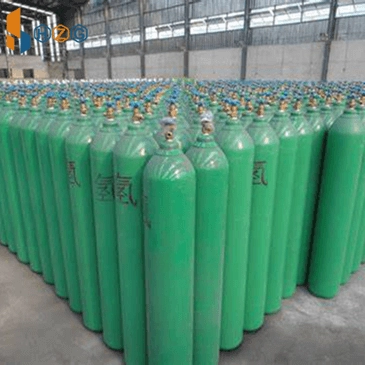
So, how do we keep this light gas in one place? There are three main hydrogen storage technologies: gas, liquid, and solid. Each storage method has its pros and cons. The most common storage technology is gaseous hydrogen storage. This involves squeezing the gas into storage tanks at very high pressures.
The second method is liquid hydrogen storage. If you cool hydrogen down to -253°C, it turns into a liquid. This allows you to store a lot more hydrogen in the same space. However, keeping it that cold takes a lot of energy. This storage of liquid is mostly used for space rockets or specialized transport.
The third, and most futuristic, is solid-state storage. This uses hydrogen storage materials to absorb the gas like a sponge. This is very safe, but the tanks can be heavy. As we explore hydrogen storage technologies, we have to balance weight, cost, and safety. For industrial use, like what Mark buys, compressed hydrogen in a strong hydrogen tank is the standard. It is the most mature hydrogen storage technology we have right now.
How Do Compressed Hydrogen Storage Tanks Actually Work?
Let's dig deeper into compressed hydrogen. Imagine trying to fit a sleeping bag into a tiny sack. You have to push hard. That is what we do with compressed hydrogen storage. We use compressors to force the gas into a hydrogen tank. These aren't just normal tanks; they are pressure vessels designed to withstand enormous force.
We measure this pressure in "bar." A standard car tire is about 2 bar. Compressed hydrogen tanks often operate at 350 bar or even 700 bar! That is 700 times the pressure of the atmosphere. At these pressures, hydrogen gas becomes dense enough to be useful. This high-pressure hydrogen storage allows a fuel cell electric vehicle (FCEV) to drive for hundreds of miles.
The hydrogen storage system in a vehicle or a factory must be robust. Compressed hydrogen storage systems use advanced valves and regulators to control the flow. When you open the valve, the compressed hydrogen rushes out, ready to be used. It is a simple concept, but the engineering behind these high-pressure hydrogen storage tanks is incredibly precise. We need to ensure that every hydrogen tank is safe and reliable.
What is Liquid Hydrogen Storage and When is it Used?
Liquid hydrogen storage is the heavyweight champion of energy density. By turning the gas into a liquid, we increase its density significantly. This means we can fit more energy into smaller storage tanks. This is crucial for applications where space is limited but you need a lot of power, like in aerospace or heavy shipping.
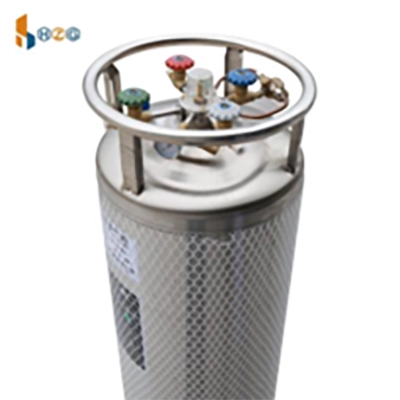
However, liquid hydrogen storage is tricky. You need a special "cryogenic" hydrogen tank. This tank acts like a super-thermos. It has layers of insulation to keep the heat out. If the hydrogen warms up even a little bit, it boils back into a gas and expands. This is called "boil-off." Managing this boil-off is a major challenge in liquid hydrogen storage tanks.
Despite the challenges, liquid hydrogen storage is vital for the global hydrogen supply. Ships carrying massive amounts of hydrogen across oceans will likely use liquid storage. It is the most efficient way to move large quantities over long distances. For a hydrogen economy to go global, we need to master the storage of liquid hydrogen. It complements compressed gas storage by handling the long-haul journey.
Can Solid-State Materials Revolutionize the Storage of Hydrogen?
What if we didn't need high pressure or extreme cold? That is the promise of solid-state storage. In this method, we use special materials, like metal hydrides, to store hydrogen. The hydrogen molecules actually bond with the metal atoms. It's like the metal "soaks up" the hydrogen. This metal hydride storage is incredibly safe because the hydrogen is locked away in the solid structure.
To get the hydrogen out, you simply heat the material up. This releases the gas. This hydrogen storage method offers high volumetric energy density, meaning you can pack a lot of hydrogen into a small space without high pressure. Metal hydride hydrogen storage is great for stationary applications, like backup power for a building.
However, the materials are heavy. A hydrogen tank filled with metal powder weighs a lot more than a simple gas tank. This makes solid-state storage less ideal for cars. But researchers are working on new materials for hydrogen storage that are lighter and faster to fill. This area of hydrogen storage technologies is exciting because it solves many safety concerns associated with high pressure.
What Materials are Used to Build High-Pressure Hydrogen Storage Tanks?
If you are going to store gas at 700 bar, you can't just use a rusty old can. High-pressure hydrogen storage requires cutting-edge materials. There are four main types of hydrogen tank designs, classified as Type I through Type IV.
Type I is made of all steel. It is heavy but cheap. This is what we often use for stationary gas storage in factories. Type II has a steel liner wrapped in fiberglass. It's a bit lighter. Type III has an aluminum liner wrapped in carbon fiber. Now we are getting into high-tech territory.
The most advanced is the Type IV hydrogen tank. This tank has a plastic liner wrapped in carbon fiber. It is extremely strong and very light. This is the hydrogen tank used in modern hydrogen fuel cell vehicles. The carbon fiber provides the strength to hold the compressed hydrogen, while the plastic keeps the gas inside. These tank technologies are expensive, but they are essential for the hydrogen energy revolution. As a manufacturer, I see the demand for these composite pressure vessels growing every year.
How Do We Address Safety and Hydrogen Embrittlement in Tanks?
Safety is the number one concern for anyone buying industrial gases. Mark knows this well. One of the unique dangers of hydrogen is something called hydrogen embrittlement. Hydrogen atoms are so small they can wiggle into the metal walls of a hydrogen tank. Once inside, they can make the metal brittle and prone to cracking. A cracked high-pressure hydrogen storage tank is a disaster waiting to happen.
To prevent hydrogen embrittlement, we have to be very careful with our materials. We use special steel alloys that are resistant to hydrogen embrittlement. In Type IV tanks, the plastic liner acts as a barrier, protecting the outer structure. We also strictly control the pressure and temperature during filling to minimize stress on the hydrogen tank.
The safety of hydrogen storage also involves rigorous testing. Every hydrogen storage system undergoes burst testing, drop testing, and fire testing. We treat hydrogen energy with respect. When handled correctly with the right hydrogen storage technologies, it is as safe as gasoline or natural gas. We need to ensure safe storage of hydrogen to build trust in the market.
What Role Does Hydrogen Energy Storage Play in Renewable Power Systems?
Hydrogen energy storage is the missing piece of the renewable energy puzzle. The sun doesn't always shine, and the wind doesn't always blow. We need a way to store that energy for later. Batteries are good for short times, but hydrogen energy storage is best for long durations.
We can use excess wind power to run electrolyzers, creating hydrogen energy. We store this hydrogen in large tanks or even in underground hydrogen storage caverns. Then, weeks or months later, when we need power, we run the hydrogen through a fuel cell or turbine to make electricity. This turns hydrogen energy into a massive battery for the electric grid.
This application makes hydrogen energy a key player in the energy transition. It allows us to use more renewable energy without worrying about blackouts. For industrial sites, having a hydrogen energy storage system means you have backup power that is clean and reliable. It reduces energy consumption from the grid and lowers carbon footprints.
What is the Future of the Hydrogen Economy and Infrastructure?
The future is bright for hydrogen energy. We are seeing a global push to build the hydrogen infrastructure. This means more pipelines, more refueling stations, and better hydrogen storage and transportation networks. The Department of Energy and governments worldwide are investing billions to make the hydrogen economy a reality.
We will see advancements in hydrogen storage technologies. Tanks will get lighter and cheaper. Liquid organic hydrogen carriers (LOHCs) might allow us to transport hydrogen as an oil-like liquid at normal temperatures. Hydrogen fuel cell electric vehicles will become more common on our roads.
For business owners, this is an opportunity. The demand for hydrogen energy equipment, from storage tanks to High Purity Specialty Gases, will skyrocket. Those who invest in hydrogen energy now will lead the market. We are moving towards a world where hydrogen energy powers our factories, our trucks, and our homes. It is an exciting time to be in the gas business.
Key Takeaways
- Hydrogen Energy is an Energy Carrier: It stores energy produced from other sources, acting like a clean, high-density battery for the world.
- Three Main Storage Technologies: We store hydrogen as a compressed gas, a cryogenic liquid, or in solid-state materials.
- Compressed Hydrogen is Standard: For most current applications, high-pressure hydrogen storage in carbon fiber tanks (Type III and IV) is the most effective solution.
- Safety is Paramount: We must use materials resistant to hydrogen embrittlement and follow strict protocols to ensure the safety of hydrogen systems.
- Enabling Renewables: Hydrogen energy storage allows us to store massive amounts of renewable power for long periods, balancing the electrical grid.
- Infrastructure Growth: The hydrogen economy is expanding, with massive investments in hydrogen production, storage tanks, and transportation networks globally.