
Your Ultimate Guide to Finding a Reliable Medical Gas Supplier for Tailored Gas Solutions
Navigating the world of industrial and medical gases can feel overwhelming. As a business owner or procurement officer, you need more than just a product; you need a partner who ensures quality, reliability, and clear communication. You're looking for a gas supplier who understands that a late shipment can halt your production line and that questionable quality can jeopardize your reputation. This article is your comprehensive guide to making that crucial choice. We will dive deep into the differences between gas types, how to verify a supplier's credentials, and what to look for in a long-term, trustworthy partnership. If you're tired of communication gaps and want to secure a seamless gas supply chain, you've come to the right place.
What's the Real Difference Between Medical Gas and Industrial Gas?
At first glance, a cylinder of oxygen might look the same whether it's destined for a hospital or a welding shop. However, the differences are profound and critical. Think of it like this: all squares are rectangles, but not all rectangles are squares. Similarly, medical gas must meet far stricter standards than its industrial counterpart. The primary distinction lies in regulation, purity, and traceability.
Medical gas is legally classified as a drug by regulatory bodies like the FDA in the United States. This means its production, packaging, and delivery are subject to rigorous Current Good Manufacturing Practices (cGMP). Every batch of medical grade gas undergoes stringent testing to ensure it is free from contaminants and meets specific purity levels. For example, a medical oxygen supply must be 99.0% pure or higher, with strictly controlled limits on impurities like carbon monoxide and carbon dioxide. The entire chain of custody is tracked, from production to the patient, ensuring complete traceability in case of any issues. This is a non-negotiable requirement for all healthcare providers.
Industrial gas, on the other hand, is used for commercial processes like welding, cutting, and chemical synthesis. While quality is still important, the regulatory bar is different. An industrial gas supplier focuses on providing gases that meet the specifications for a particular application, such as an argon-CO2 mix to weld steel efficiently. The purity might be high, but the gas hasn't gone through the same level of documentation and batch-by-batch validation required for human use. You wouldn't use an industrial cylinder in a hospital, but you could often use a medical gas cylinder in an industrial setting, though it would be far from cost-effective.
| Feature | Medical Gas | Industrial Gas |
|---|---|---|
| Regulation | Classified as a drug (e.g., by FDA) | Regulated as a hazardous material |
| Purity & Testing | Extremely high purity, rigorous batch testing | Purity based on application needs |
| Traceability | Full lot traceability required | Batch traceability is common, but not as strict |
| Primary Use | Patient care, diagnostics, life support | Welding and metal fabrication, processing, chemistry |
| Common Types | Oxygen, Nitrous Oxide, Medical Air | Nitrogen, Oxygen, Argon, Acetylene, Hydrogen |
Why is High Purity So Critical for Both Medical and Industrial Applications?
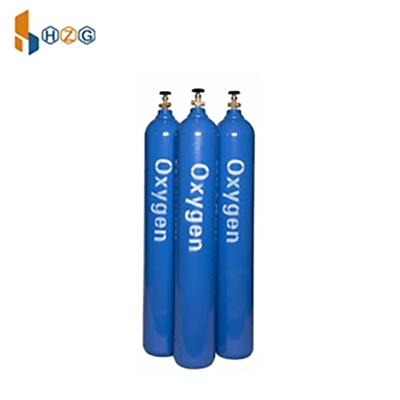
Purity isn't just a number on a certificate; it's the foundation of performance and safety. For the medical industry, the reason is obvious: patient safety. Impurities in a medical gas supply could cause adverse reactions or be toxic. Imagine the consequences of administering oxygen with even trace amounts of harmful contaminants to a vulnerable patient. It's why a trusted medical gas provider must guarantee high-purity levels, making it a cornerstone of their gas solutions for healthcare. This commitment ensures that the gas is effective for its intended therapeutic purpose without introducing new risks.
In the world of industrial applications, purity is equally vital, though for different reasons. It directly impacts the quality of the end product.
- In welding and fabrication: Using an impure shielding gas can lead to a weak and porous weld, compromising the structural integrity of the final product. Contaminants can react with the molten metal, creating defects that are costly or impossible to repair.
- In the electronics industry: Manufacturing semiconductors requires incredibly pure gases. Even parts-per-billion impurities can ruin an entire batch of microchips, leading to millions in losses.
- In the laboratory: Researchers rely on high-purity gases as carrier agents or for calibration. Impurities would skew results and invalidate experiments, wasting time and resources.
Whether for a patient's breath or a perfect weld, a consistent supply of high-purity gases from a reputable supplier is essential. It prevents contamination, ensures process stability, and guarantees the desired outcome.
How Can You Confidently Verify a Gas Supplier's Certifications and Avoid Fraud?
This is a major pain point for many procurement officers, and rightly so. As someone who runs a factory with seven production lines, I've seen how crucial trust is in this business. Certificate fraud is a real risk, but you can protect yourself with due diligence. Don't just take a sales representative's word for it; ask for proof and know what to look for.
First, request copies of their core quality management certifications. The most important one is ISO 9001, which demonstrates that the supplier has a robust quality management system in place. For a medical gas supplier, you should also look for certifications specific to medical devices, such as ISO 13485. Don't just look at the certificate; verify its authenticity. You can usually do this by checking the issuing body's online registry. A legitimate supplier will be transparent and happy to help you with this process.
Second, always demand a Certificate of Analysis (CoA) for every single delivery. This document is not a generic marketing paper; it's a detailed report that shows the exact composition and purity of the specific batch of gas in your cylinder or tank. Cross-reference the batch number on the CoA with the number on the cylinder itself. A reliable factory provides this automatically. If a supplier hesitates to provide a batch-specific CoA, consider it a major red flag. This level of documentation is standard practice for us because it's the ultimate proof of the quality we promise.
What Should You Look for in a Supplier's Production and Delivery Capabilities?
A great price is meaningless if the product never arrives on time. As a reseller, your reputation depends on your ability to provide a reliable supply to your own customers. Therefore, you must scrutinize a potential gas supplier's production and delivery infrastructure. A flashy website can't make up for a weak operational backbone.
Start by asking about their production capacity. How many production lines do they have? What is their output for key gases like nitrogen and carbon dioxide? A factory with multiple production lines, like ours, has built-in redundancy. If one line is down for maintenance, we can shift production to another, preventing supply disruptions. This ensures a consistent supply even during periods of high demand. Also, inquire about their storage capabilities. Do they have large storage tanks for bulk gases and a well-organized inventory of cylinders? This is a good indicator of their ability to handle large and urgent orders.
Next, evaluate their logistical expertise and supply network. A good supplier should offer flexible gas delivery options, from individual cylinders to cryogenic liquid tankers. Ask them about their experience shipping to your country. They should be knowledgeable about:
- Packaging: Ensuring cylinders are safely palletized and secured for ocean freight.
- Documentation: Handling all necessary export and customs paperwork correctly.
- Logistics Partners: Working with reliable freight forwarders.
A proactive supplier will provide tracking information and communicate updates throughout the shipping process, giving you peace of mind and allowing you to manage your customers' expectations effectively.
Are Custom Gas Blends and Specialty Gas Solutions a Good Fit for My Business?
While standard gases like oxygen and nitrogen form the bulk of the market, offering custom gas blends and specialty gas can be a powerful differentiator for your business. It shows that you can provide tailored solutions beyond the basics, catering to clients with very specific needs. You might be surprised at how many industries rely on precise gas mixtures.
For example, the welding and metal fabrication industry is a huge consumer of mixed gases. A simple blend of argon and carbon dioxide is one of the most common welding gases used to shield the weld pool in MIG welding. Different percentages are used for different materials and thicknesses. By offering這些 gas mixes, you can service a wider range of fabrication shops. Similarly, the food and beverage industry uses specific gases and gas mixtures for modified atmosphere packaging (MAP) to extend the shelf life of products like salads, meats, and coffee.
As a reseller, adding specialty gases and equipment to your portfolio allows you to enter high-margin markets. This includes laser gases for cutting machines, high-purity helium for MRI machines in healthcare facilities, and calibration gas mixtures for environmental monitoring. Partnering with a supplier who can produce these specialized gases on demand allows you to be a one-stop shop for your clients, increasing their loyalty and your profitability. We often work with clients to develop custom gas blends for their unique industrial applications.
What Are the Key Considerations for Gas Cylinder Safety and Handling?
Safety is paramount in the gas industry. An accident involving a high-pressure cylinder can have devastating consequences. A responsible gas supplier prioritizes safety not just in their own facility but also by providing customers with safe, compliant equipment and the knowledge to handle it. This is a key part of the value they provide.
When you receive a shipment, the first thing to inspect is the cylinder itself. Check for:
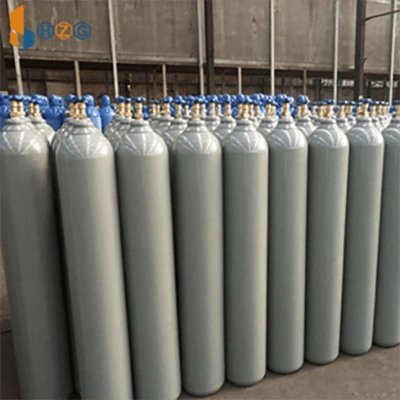
- Valid Test Dates: Every cylinder must be hydrostatically tested periodically (usually every 5 or 10 years). The test date should be stamped on the cylinder's shoulder. Never accept an out-of-date cylinder.
- Proper Valves: The valve should be the correct type for the gas and be protected by a sturdy cap during transport.
- Clear Labeling: The cylinder must be clearly labeled with the name of the gas and the relevant hazard warnings.
Beyond the equipment, your supplier should be able to provide guidance on safe storage and handling. This includes storing cylinders upright in a well-ventilated area, securing them to prevent falling, and separating full cylinders from empty ones. Providing this kind of technical support demonstrates that the supplier is a true partner invested in your safety and success, not just a transactional vendor. Our commitment is to ensure that every Carbon dioxide cylinder we ship meets the highest international safety standards.
How Does a Direct-from-Factory Gas Supply Chain Benefit a Reseller?
As a business owner like Mark Shen, you understand margins. Every intermediary in the supply chain takes a cut, which either inflates your purchase price or shrinks your profit. By partnering directly with a factory, you eliminate those extra layers. This is the single biggest advantage for a reseller seeking competitive pricing.
When you work with a trading company, you're often speaking to a salesperson who has never set foot in the production facility. They are relaying information back and forth, which can lead to the communication inefficiencies you've likely experienced. When you work directly with a factory like Huazhong Gas, you are communicating with the source. My team and I know our production schedules, our inventory levels, and our logistical capabilities firsthand. This direct line of communication leads to faster answers, more accurate information, and a greater ability to solve problems quickly.
Furthermore, buying factory-direct gives you greater control over quality. You can vet the factory's certifications, request specific batch testing, and even arrange for a third-party inspection at the source before shipment. This transparency is often lost when dealing with intermediaries. For a quality-sensitive buyer, this direct oversight is invaluable. It helps you avoid the risks of counterfeit certificates and ensures you get exactly what you paid for, building the trust that is so essential for a long-term business relationship.
What Key Questions Should You Ask a Potential Industrial Gas Supplier?
Whether you meet a potential supplier at an exhibition or find them through a Google search, having a list of targeted questions is crucial. This helps you cut through the marketing fluff and get to the core of their capabilities. It allows you, the buyer, to lead the conversation decisively.
Here is a checklist of questions I recommend every procurement officer ask:
About Production & Quality:
- "Can you walk me through your quality control process, from raw material intake to final cylinder filling?"
- "What is your actual production capacity for the gases I'm interested in, like Oxygen cylinder and Nitrogen?"
- "Could you please send me a copy of your ISO 9001 certificate and a sample Certificate of Analysis for my review?"
- "Do you manufacture your own gases and equipment, or do you source some products from other factories?"
About Logistics & Reliability:
- "What is your standard lead time for an order of my size to be shipped to the USA?"
- "Can you share a case study or reference of a client you've worked with in North America?"
- "How do you handle potential supply disruptions or shipping delays? What is your communication protocol?"
- "What are your standard payment terms and what flexibility do you offer?"
Asking these questions shows you are a knowledgeable buyer and helps you compare suppliers like Messer, Linde, or a direct factory on an equal footing. Their answers will reveal a lot about their professionalism, transparency, and whether they are the right partner for you.
Understanding Logistics: How Can You Ensure On-Time Gas Delivery?
As a factory owner who exports globally, I can tell you that a successful delivery is a science. Shipment delays are a major pain point, and they often stem from poor planning and communication. A truly reliable industrial gas supplier must be a master of logistics.
The process starts long before the ship leaves the port. A good supplier will work with you to establish clear terms (Incoterms) from the outset, so everyone understands who is responsible for each stage of the journey. They will prepare all export documentation meticulously to prevent delays at customs. A single error on a form can leave your shipment sitting at a port for weeks. We have a dedicated logistics team whose sole job is to ensure every 't' is crossed and every 'i' is dotted on that paperwork.
Proactive communication is the other half of the equation. You shouldn't have to chase your supplier for updates. A professional partner will provide you with a vessel name, container number, and tracking information as soon as your order ships. They will monitor the shipment's progress and alert you to any potential delays, such as port congestion or bad weather. This transparency allows you to manage your inventory and, most importantly, communicate accurately with your own customers, preventing broken promises and protecting your business relationships. Timely medical gas deliveries are not a luxury; they are an essential component of the gas solutions we provide.
Beyond the Product: Why is Technical Support and Communication a Game-Changer?
You can buy grade gases from many places, but what truly separates an adequate supplier from a great partner is the support and communication that surrounds the product. As a sales-oriented business owner, you know the value of good service, but you don't have time to get bogged down in technical details or chase down unresponsive sales reps.
This is where a dedicated and knowledgeable point of contact is invaluable. You need a partner who speaks your language—the language of business—but who can also translate your needs to their technical team. When you have a question about the best gas mixture for a new customer's application or need help troubleshooting a gas systems issue, you need a quick and accurate answer. Inefficient communication is more than just an annoyance; it's a hidden cost that drains your time and energy.
I've built my team to be responsive and solutions-oriented. We understand that our job isn't just to sell gas products; it's to make our clients' jobs easier.
"As I always tell my partners, 'A delayed delivery isn't just late gas; it's a broken promise that halts your entire operation.' We take that promise seriously."
This philosophy extends from the initial quote to the after-sales technical support. A strong partnership is built on this foundation of trust, communication, and mutual respect. It transforms the relationship from a simple transaction into a strategic alliance that helps both businesses grow. When you find a supplier who invests in this, you've found a partner for the long haul.
Key Takeaways for Choosing Your Gas Supplier
- Know the Difference: Understand the strict regulatory, purity, and traceability differences between medical gas and industrial gas.
- Verify Everything: Always demand and verify certifications like ISO 9001 and insist on a batch-specific Certificate of Analysis (CoA) with every delivery.
- Assess the Engine: Look beyond the price to evaluate a supplier's production capacity and logistical expertise to ensure a reliable supply.
- Go Factory-Direct: Partnering directly with a factory cuts out intermediaries, leading to better pricing, direct communication, and greater quality control.
- Ask Tough Questions: Use a checklist of questions about quality, logistics, and service to vet potential suppliers thoroughly.
- Prioritize Communication: Choose a partner who offers responsive, proactive communication and strong technical support. This is just as important as the product itself.