
Understanding Industrial Gases: Common Types, Essential Uses, and Reliable Supply
We run an industrial gas factory in China. We manufacture and export a wide variety of industrial gases to places like the USA, North America, Europe, and Australia. In this article, I want to share some insights into the world of industrial gases, focusing on common types like oxygen, carbon dioxide, nitrogen, hydrogen, and argon, and explaining their essential uses across many industries. If you're involved in procurement for a chemical or manufacturing company, work in a medical institution, or manage a research laboratory, understanding these gases and how to secure a reliable supply is crucial. Stick around to learn more about what these gases are, where they're used, and what you should look for in a supplier like my factory.
What Exactly Are Industrial Gases?
Industrial gases are a group of gases manufactured for use in industry. Unlike the air we breathe, which is a natural mixture of gases, industrial gases are produced in factories to specific purity levels and often in large volumes. These gases are fundamental to countless manufacturing processes and modern technologies. When you talk about industrial gas, you're referring to substances that power production, enable cutting-edge research, and even play roles in healthcare and the food we eat. They aren't just elements in the air; they are carefully controlled, highly purified substances essential for industrial applications.
This group of gases includes elemental gases like oxygen and nitrogen, as well as compounds such as carbon dioxide and acetylene. Industrial gas is a group that also includes noble gases like argon and helium. These gases serve specific purposes based on their unique chemical and physical properties. We produce these gases using energy-efficient methods, focusing on high purity to meet the demanding requirements of our customers around the world.
Why is Oxygen So Important in Industrial Processes?
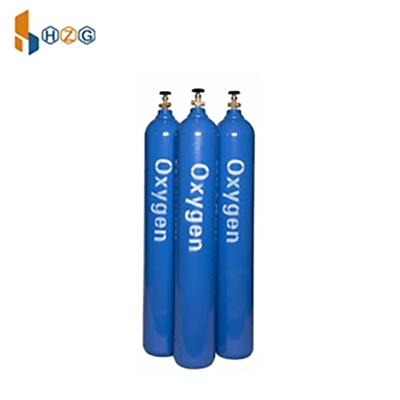
Oxygen is arguably one of the most vital industrial gases. It's a colorless, odorless, and tasteless gas that makes up about 21% of the Earth's atmosphere. In industry, oxygen is used extensively because of its ability to support combustion and its reactivity. For example, in metal fabrication, oxygen is crucial for oxy-acetylene welding and cutting. It helps achieve the high temperatures needed to melt and join metals effectively.
Beyond welding, oxygen plays a significant role in chemical production, pulp and paper manufacturing, and wastewater treatment. In the medical field, high-purity oxygen saves lives by assisting patients with breathing difficulties. The uses of industrial oxygen are incredibly diverse, highlighting why a consistent and pure oxygen supply is non-negotiable for many businesses. Our factory is equipped to produce and supply high-purity oxygen in various forms to ensure our customers always have what they need.
Beyond Oxygen: What Other Major Industrial Gases Are There?
While oxygen is incredibly important, many other industrial gases are essential for various applications. Let's look at some of the major industrial gases we produce and export.
Nitrogen, for instance, is the most abundant gas in the air. It's odorless and tasteless gas that is relatively inert, meaning it doesn't easily react with other substances. Nitrogen is used widely as a shielding gas or for purging to prevent unwanted reactions, like oxidation during heat treatment of metals or in the electronics industry. Nitrogen is used extensively in the food and beverage industry for packaging to extend shelf life and in cryogenic freezing. A reliable nitrogen gas supply is key for operations requiring an inert atmosphere. Need nitrogen? Check out our options for Nitrogen cylinder supply directly from our factory.
Argon is another noble gas that's highly inert. It's a colorless, odorless gas primarily used as a shielding gas in welding, particularly for TIG and MIG welding of aluminum, stainless steel, and other reactive metals. Using argon as a shielding gas protects the weld area from atmospheric contamination, ensuring a strong and clean weld joint. Argon gas is also used in lighting (like fluorescent bulbs) and thermal insulation. Our factory supplies high-purity argon gas suitable for demanding metal fabrication tasks and many other gases.
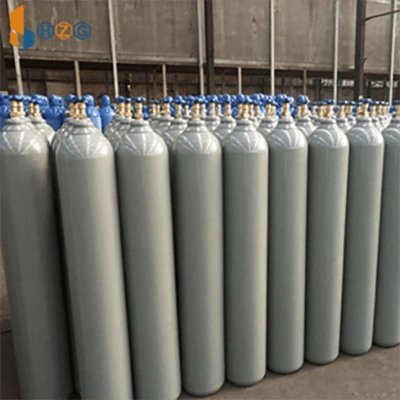
Carbon dioxide (CO₂) is a compound gas with a multitude of industrial uses. It's perhaps best known for its use in carbonating beverages, giving them that fizzy quality. But carbon dioxide is also vital in welding (as a shielding gas, often mixed with argon), fire suppression systems, dry ice production for refrigeration, and even in enhancing plant growth in greenhouses. The industrial uses of carbon dioxide are extensive and varied, making it a common industrial gas needed by many different businesses. We provide high-quality Carbon dioxide cylinder solutions.
Hydrogen, the lightest element, is another crucial industrial gas. While highly flammable, hydrogen is invaluable in chemical processing, particularly in producing ammonia and refining petroleum. It's also used in metal treatment and increasingly as a clean fuel source. Handling hydrogen requires expertise due to its properties, and ensuring a safe, reliable hydrogen supply is paramount.
Helium, a very light and inert noble gas, has famous uses in balloons and airships, but its industrial applications are far more critical. Helium is essential in cryogenic applications, particularly for cooling superconducting magnets in MRI machines and scientific research. It's also used as a leak detection gas, a shielding gas in certain welding processes, and in manufacturing fiber optics and semiconductors. Getting a consistent helium supply can sometimes be challenging due to its relative scarcity, making a dependable supplier even more important.
This table summarizes some key industrial gases and their primary uses:
| Gas | Properties | Primary Industrial Uses |
|---|---|---|
| Oxygen | Supports combustion, reactive | Welding, cutting, medical, chemical production, wastewater treatment, metal production |
| Nitrogen | Inert, cryogenic | Purging, blanketing, food packaging, cryogenic freezing, electronics manufacturing, welding |
| Argon | Inert | Welding shielding gas, lighting, thermal insulation, electronics manufacturing |
| Carbon Dioxide | Acidic, dense | Beverage carbonation, welding shielding gas, fire suppression, dry ice, plant growth |
| Hydrogen | Flammable, reactive | Chemical processing (ammonia, methanol), petroleum refining, metal treatment, fuel |
| Helium | Inert, light, cryogenic | Cryogenics (MRI), leak detection, welding shielding gas, semiconductor manufacturing |
| Acetylene | Flammable, unstable | Oxy-acetylene welding and cutting, chemical synthesis |
Delving Deeper: Specialty Gases and Their Unique Applications
Beyond the major industrial gases, there's a whole world of specialty gases and gas mixtures. These gases often have very high purity requirements or are precise mixtures tailored for specific, often critical, applications. For example, calibration gases are precise gas mixtures used to calibrate analytical instruments in laboratories, environmental monitoring, and industrial process control. The accuracy of these instruments depends entirely on the accuracy of the calibration gas mixture.
Other specialty gases include high-purity versions of common gases (like 99.999% purity oxygen or nitrogen) used in electronics manufacturing where even trace impurities can ruin sensitive processes. There are also reactive specialty gases like hydrogen chloride or nitrogen trifluoride used in semiconductor fabrication. These gases and mixtures are crucial for advanced manufacturing and research. My factory specializes in providing not just common industrial gas types but also complex gas mixtures and high-purity specialty gases tailored to specific customer needs, ensuring the right gas for the right application.
How Are Industrial Gases Packaged and Supplied?
Industrial gases are supplied in various ways to meet different volume and purity needs, as well as the specific requirements of the customer's site.
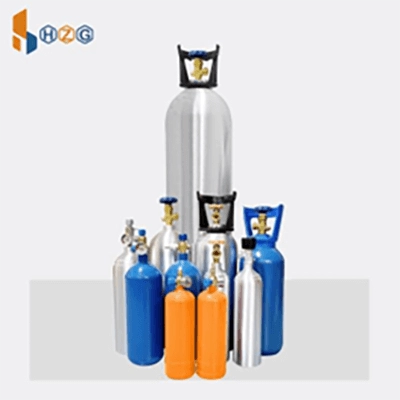
For smaller volumes or individual users, gases are typically supplied in compressed gas cylinders. These come in various sizes and pressures, depending on the gas and the application. Oxygen cylinder, nitrogen cylinder, and argon gas cylinder are common sights in workshops and laboratories. We ensure our gas cylinders are safe and compliant with international standards for transportation and storage.
For larger users, gases are often supplied as liquefied gas in cryogenic tanks. Oxygen, nitrogen, and argon, which have very low boiling points, can be transported and stored as liquids in specially insulated tanks. This is a more efficient way to transport large volumes. We also handle Liquid Carbon dioxide and other liquefied gases in bulk.
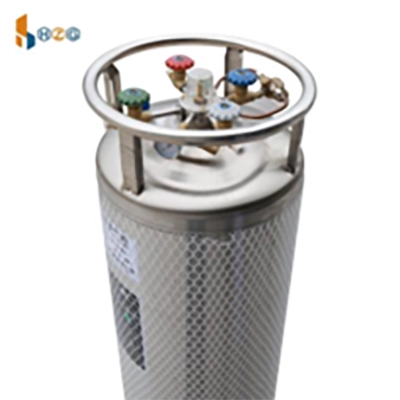
For the largest consumers, like major chemical plants or steel mills, industrial gases might be produced on-site via air separation units or pipeline supply directly from a nearby production plant. As a factory with 7 production lines, we can discuss flexible supply options tailored to your volume requirements, whether it's cylinders, bulk liquid, or other specialized gas containers.
Industrial Gases Aren't Just for Big Factories: Surprising Applications Across Industries
It's easy to think of industrial gas primarily powering heavy manufacturing, but their applications stretch across a surprising variety of industries.
- Medical Institutions: High-purity oxygen is vital in hospitals for patient respiratory support and anesthesia. Nitrous oxide is used as an anesthetic and analgesic. Sterilization processes might use ethylene oxide.
- Food and Beverage Industry: Carbon dioxide carbonates drinks and is used for freezing and packaging. Nitrogen purges packaging to prevent spoilage and is used in cryogenic freezing. Specialty gases are used in food analysis.
- Research Laboratories: Laboratories use a wide range of pure gases and precise gas mixtures for analysis, calibration, and research. Helium is crucial for cooling sensitive equipment.
- Electronics Manufacturing: High-purity nitrogen creates inert atmospheres. Specialty gases like silane, ammonia, nitrogen trifluoride, boron trichloride, and tungsten hexafluoride are essential for semiconductor fabrication.
- Construction Industry: Gases for welding and cutting are fundamental. Gases like oxygen and acetylene help build structures and infrastructure. Propane is also a common fuel gas for heating and cutting on-site.
- Automotive Industry: Industrial gases are used in manufacturing vehicle components (welding, metal treatment) and in the production of airbags (nitrogen).
- Environmental Monitoring: Precise gas mixtures are used to calibrate pollution monitoring equipment. Specialty gases are also used in analytical instruments for environmental testing.
This wide variety of industrial applications means that finding a reliable industrial gas company with a diverse product range is beneficial for businesses looking to streamline their supply chain.
Choosing the Right Industrial Gas Supplier: What Should Mark (and Others) Look For?
If you're like Mark, sourcing industrial gases from places like China, you're likely focused on quality, price, and reliability. You're a company owner and procurement officer, you need suppliers who understand your needs and can consistently deliver without drama. Here are key factors I believe you should consider when choosing an industrial gas supplier:
- Product Range and Purity: Does the supplier offer the specific gases and purities you need? High purity is critical for many applications, especially in electronics or medical fields. A diverse product range, from common industrial gases like oxygen and argon to specialty gases and gas mixtures, means you might source more products from one trusted partner.
- Manufacturing Capability: Are they a genuine factory with production lines? Working directly with a factory cuts out intermediaries, potentially offering better pricing and more direct control over production and quality. As a factory with 7 production lines, we manage the process from production to packaging.
- Quality Control and Certifications: How do they ensure quality? Ask about their quality inspection processes and certifications (like ISO standards). Compliance with international standards is non-negotiable, particularly for export markets like the USA and Europe. This directly addresses concerns about quality inspection and potential certificate fraud.
- Export Experience and Logistics: Do they have proven experience exporting to your region? Understanding international logistics, customs, and shipping is vital to avoid shipment delays. A supplier experienced in exporting to North America, Europe, and Australia understands the complexities and can manage them efficiently.
- Communication: Can you communicate easily and effectively with their team? Inefficient communication with supplier sales representatives can lead to misunderstandings and delays. Look for a supplier with clear communication channels and responsive staff.
- Payment Terms and Flexibility: Are the payment methods secure and agreeable? Discuss payment terms upfront to ensure they work for your business model.
- Packaging and Safety: How do they handle packaging? Safe and reliable packaging, whether it's gas cylinders or bulk tanks, is crucial for safe transportation and storage.
Asking these questions helps you identify a supplier who is not just cost-competitive but also reliable and professional, mitigating common pain points like delays and quality issues.
Quality, Certifications, and Reliability: Why They Matter in Industrial Gas Supply
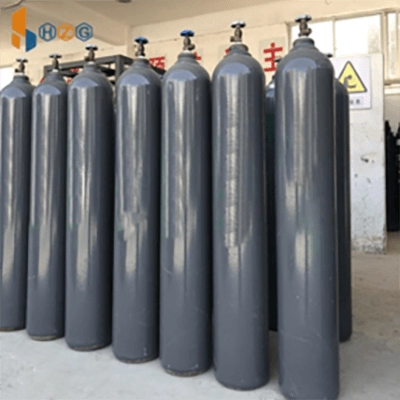
In the industrial gas industry, quality and reliability are paramount. Supplying gases that don't meet the required purity levels can lead to significant problems in a customer's process, potentially causing damage to equipment, producing substandard products, or even creating safety hazards. This is why as a factory, we place immense importance on stringent quality control at every stage of our production, from raw materials to the final packaged product.
Certifications provide independent verification that a supplier meets specific quality and safety standards. For instance, ISO 9001 certification indicates a robust quality management system. Compliance with specific gas standards (like those for medical oxygen purity) is also critical depending on the application. When you source from a supplier like us, we understand the importance of providing accurate documentation and certifications with every shipment. We know that suppliers occasionally issue fraudulent certificates, and that's unacceptable. Our commitment is to transparency and verifiable quality, giving you confidence in every cylinder or bulk delivery.
Reliability in supply is equally important. Shipment delays leading to missed production schedules can cost businesses valuable time and money. A reliable industrial gas company ensures consistent production, maintains adequate stock, and has efficient logistics processes in place to deliver gases on time, every time. We manage our production lines and logistics network carefully to minimize delays and provide the dependable supply our B2B customers rely on.
Exporting industrial gases, especially compressed gas or liquefied gas in large volumes, involves complex logistics. It requires careful planning for packaging, transportation (by sea, road, or rail), customs clearance, and final delivery. An experienced industrial gas supplier understands the nuances of international shipping and works with trusted logistics partners to ensure smooth transit.
For customers in the USA, North America, Europe, and Australia, we handle the complexities of getting the product from our factory in China to your location. We understand the documentation required and how to navigate the customs process efficiently. Our goal is to make the logistics as seamless as possible for you, reducing the chance of unexpected delays that could impact your operations.
Payment methods are another area where clear communication and flexibility are key. We work with our customers to establish mutually agreeable payment terms that build trust and facilitate repeat business. Our focus is on creating a secure and transparent transaction process, eliminating potential pain points and fostering a long-term partnership.
Looking to the Future: New Uses and Innovations in Industrial Gases
The world of industrial gases is constantly evolving, with new uses and technologies emerging regularly. For example, hydrogen is gaining significant attention as a clean energy carrier for the future, potentially transforming transportation and energy sectors. Research continues into new gas mixtures for specific industrial processes, such as optimizing welding gases for new materials or developing novel gas blends for medical treatments.
The demand for high-purity specialty gases is growing, driven by advancements in electronics, pharmaceuticals, and environmental technologies. This pushes industrial gas companies like ours to invest in advanced production and analytical capabilities to meet increasingly stringent purity requirements. We stay informed about these trends and adapt our production and product offerings to serve the evolving needs of our customers. For instance, we offer specialized Gasmixture products designed for specific industrial processes.
Understanding these trends helps businesses anticipate their future gas needs and ensures they partner with suppliers who are also looking ahead and innovating. Whether it's supporting traditional industrial processes or enabling cutting-edge technologies, industrial gases are vital components of the modern economy.
Conclusion: Partnering for Reliable Industrial Gas Supply
Navigating the world of industrial gas sourcing from overseas can seem complex, but with the right knowledge and the right partner, it becomes straightforward and efficient. Understanding the different types of industrial gases, their uses, and the critical factors in supplier selection is the first step.
As Allen from a factory in China, I want you to know that finding a supplier who prioritizes quality, reliability, and clear communication is key to avoiding the pain points you might have experienced in the past. We are committed to producing high-purity gases, maintaining rigorous quality control, providing necessary certifications, and managing logistics effectively to ensure your supply chain remains smooth and dependable. From common gases like oxygen, nitrogen, and argon to specialty blends, we have the capabilities and experience to meet your needs.
If you're looking for a factory-direct source for industrial gases with a track record of exporting to countries like the USA, North America, Europe, and Australia, consider reaching out. We understand the importance of your production schedules and the need for consistent, high-quality gas supply. Let's discuss how we can be your reliable partner. Visit our website at Huazhong-Gas.com to learn more about our products and capabilities.
Here's a quick recap of the most important points:
- Industrial gases are vital for a wide range of industrial processes and technologies.
- Oxygen is essential for combustion, welding, medical uses, and more.
- Major industrial gases include nitrogen, argon, carbon dioxide, hydrogen, and helium, each with unique applications.
- Specialty gases and mixtures cater to specific, high-precision needs like calibration and electronics manufacturing.
- Gases are supplied in various ways, including compressed gas cylinders and bulk liquefied gas.
- Industrial gases are used in diverse industries, from metal fabrication and chemical production to food, medical, and research.
- Choosing a supplier requires looking at product range, purity, factory capability, quality control, certifications, export experience, communication, and logistics.
- Quality and reliability are critical to avoid production issues and delays.
- The industrial gas industry is constantly innovating, with new uses and demands emerging.
- Partnering with a reliable factory-direct supplier ensures high purity, compliance, and efficient delivery.