
The Global Industrial Gases Market Size and Trends: An Analysis Report by Product
Welcome! Have you ever stopped to think about all the hidden forces that make modern life and business run? One of the most vital, yet often unseen, is the world of industrial gas. These are the essential gases and mixtures used in countless manufacturing processes, medical treatments, and scientific research projects around the globe. Understanding the industrial gases market size, its current trends, and future market growth is incredibly important if you're involved in industries that rely on industrial gases, whether you're a large chemical plant, a medical facility, or a bustling factory. This article is written from my perspective as a factory owner in China, a major supplier to the global industrial gases market. I'll share insights into what makes this market tick, who the key players are, and what you, as a potential buyer, should really look for in a reliable supplier. If you want to navigate this complex global market effectively, ensuring quality and reliable supply for your business, then this report is definitely worth your time.
What Exactly is the Industrial Gas Market Size Right Now?
The industrial gas market is a massive and ever-expanding sector. When we talk about the industrial gases market size, we're looking at a truly substantial part of the global economy. These gases, which include things like oxygen, nitrogen, argon, carbon dioxide, hydrogen, and various specialty mixtures, are the fundamental building blocks for countless manufacturing and industrial processes. They are produced in large volumes of gases through processes like air separation or chemical reactions and then supplied in different forms, such as compressed gas in cylinders or as liquids in bulk tanks.
Estimating the exact market size at any given moment can be tricky because it's constantly changing, but reports suggest the global industrial gases market size was valued at hundreds of billion in 2024, and it continues to grow. This growth isn't just happening in one place; it's a global market phenomenon driven by development in various sectors. Knowing this size gives you a perspective on the scale of the industry and the vast demand for industrial gases worldwide. It shows that this isn't a niche market; it's a cornerstone of modern industry.
Understanding this current market size is crucial for businesses looking to purchase these gases. It highlights the importance of finding industrial gas suppliers who can handle large volumes of gases and offer consistent quality and reliability. For someone like Mark in the USA, who buys from countries like China and Vietnam to resell, knowing the scale helps in sourcing and planning. It reinforces that you are dealing with a significant industrial sector with established players and complex logistics.
Exploring the Global Industrial Gases Market and What Fuels Its Market Growth.
The global industrial gases market is a dynamic and competitive landscape. It's not a market that sits still; it's constantly evolving, pushed forward by technological advancements, new industrial applications, and economic development around the world. When we examine the market growth, several factors stand out as key drivers. One major market driver is the increasing demand from traditional heavy industries like steel manufacturing, chemicals, and refining, which require large quantities of gases like oxygen and nitrogen.
Beyond the traditional sectors, the growth of the industrial gas market is significantly influenced by rapidly expanding new industries. Electronics manufacturing, particularly the production of semiconductors, relies heavily on ultra-high purity specialty gases. Healthcare is another vital area, with the growing need for medical gas like oxygen for patient care. The food and beverage industry uses gases like carbon dioxide for carbonation and nitrogen for packaging to extend shelf life. These diverse applications of industrial gases create consistent and growing demand across the global industrial stage.
From my perspective running a factory in China, a major source for the global industrial gases market, I see this growth firsthand. We see increased orders from the USA, North America, Europe, and Australia, reflecting this worldwide trend. The need for higher purity gases, more complex mixtures, and reliable, energy-efficient production methods are all contributing to the changes we see. The overall market for industrial gases is robust, offering both challenges and opportunities for market growth for both suppliers and buyers.
Which Key Market Segments Drive the Industrial Gas Industry?
The industrial gas industry isn't just one big pool; it's divided into several key market segments, primarily defined by the type of gas or the application it serves. Broadly speaking, we can categorize the market by product type: bulk gases (like oxygen, nitrogen, argon, and hydrogen, often supplied in liquid form or via pipelines), cylinder gases (supplied in compressed form in cylinders), and specialty gases (high-purity or complex mixtures for specific, often sensitive, applications). Each segment has its own market dynamics and demand patterns.
Looking at it from an analysis report by product perspective, the bulk gases segment typically accounts for the largest market share due to the sheer volume consumed by heavy industries. However, the cylinder gas market is also significant, serving a wider range of smaller users and applications like welding, laboratories, and smaller manufacturing operations. The specialty gases segment, while smaller in volume, often commands higher prices due to the required purity and complexity, and it's a fast-growing area driven by high-tech industries.
Geographically, certain regions lead the global industrial gases market. Asia-Pacific, particularly China, is a largest market due to its vast manufacturing base. North America and Europe also hold substantial market share and are major consumers of industrial gas. Understanding these segments helps businesses target their sourcing or sales efforts effectively. For Mark, based in the USA but sourcing from developing countries, these regional dynamics influence availability and pricing structures.
Where Are the Primary Applications of Industrial Gases Found Across Different Sectors?
Applications of industrial gases are incredibly widespread, touching almost every part of the modern economy. These essential gases are used not just in heavy industry but in diverse fields you might not immediately think of. In manufacturing, gases are used extensively for welding, cutting, inerting, and chemical reactions. For example, oxygen is vital for combustion and steelmaking, while nitrogen is used as an inert atmosphere to prevent oxidation.
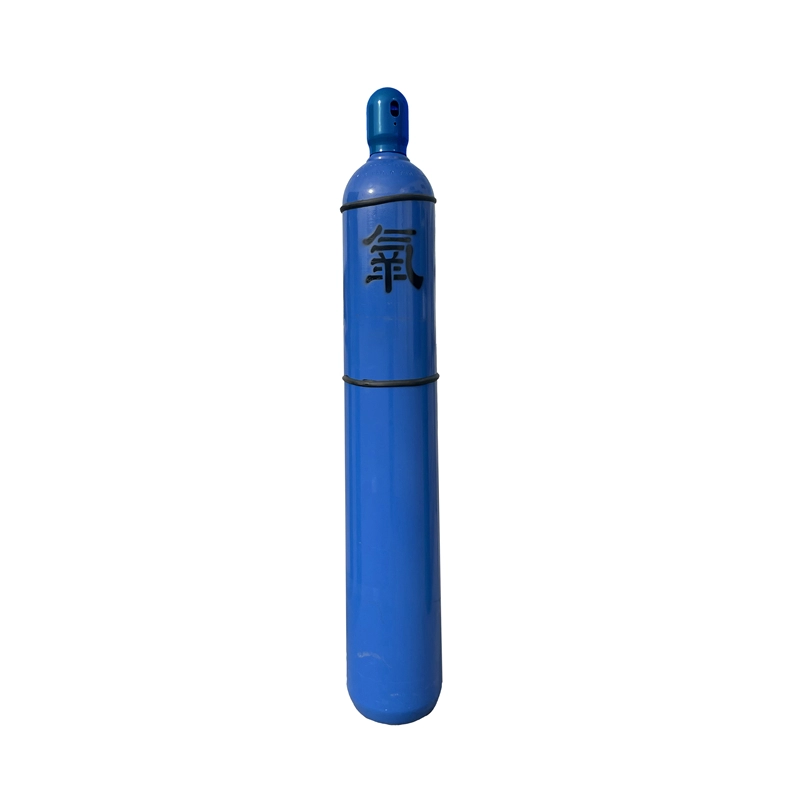
The food and beverage industry rely on industrial gases for everything from freezing and chilling food products (using gases like nitrogen and carbon dioxide) to carbonating drinks (gases like carbon dioxide) and packaging with protective atmospheres (gases like nitrogen or argon) to keep food fresh longer. The medical field uses medical gas like oxygen, nitrous oxide, and helium for treatments, anesthesia, and MRI machines. Scientific research laboratories require a wide range of high-purity specialty gases for analytical instruments and experiments.
Furthermore, industrial gases are also critical in the energy sector, including oil and gas exploration and production, where nitrogen is used for pipeline purging and enhanced oil recovery. The electronics industry is a major consumer of specialty gases used in semiconductor manufacturing, requiring ultra-high purity gases like nitrogen trifluoride, silane, and various complex mixtures. This vast array of applications of industrial gases underscores why the demand for industrial gases is so consistent and why a reliable supplier is paramount.
Why Are Specialty Gases So Important, Especially in Tech?
While bulk gases form the backbone of much of the industrial gas industry, specialty gases are the precision tools of the market. Unlike high-volume commodity gases, specialty gases are produced to extremely strict purity standards or as precise mixtures for very specific applications. Their importance has grown dramatically with the rise of high-tech industries. Think about the tiny, intricate components in your smartphone or computer; their creation relies heavily on specific, high-purity gases.
Industries like semiconductor manufacturing are prime examples where specialty gases used in semiconductor processes are absolutely critical. Gases like nitrogen trifluoride, silane, tungsten hexafluoride, and boron trichloride are used in etching, cleaning, deposition, and doping processes. The required purity levels are incredibly high – often 99.999% (5N) or even 99.9999% (6N) pure – because even trace impurities can ruin sensitive manufacturing steps and damage expensive equipment. The demand for gases used in semiconductor manufacturing is a significant market driver for the specialty gases segment.
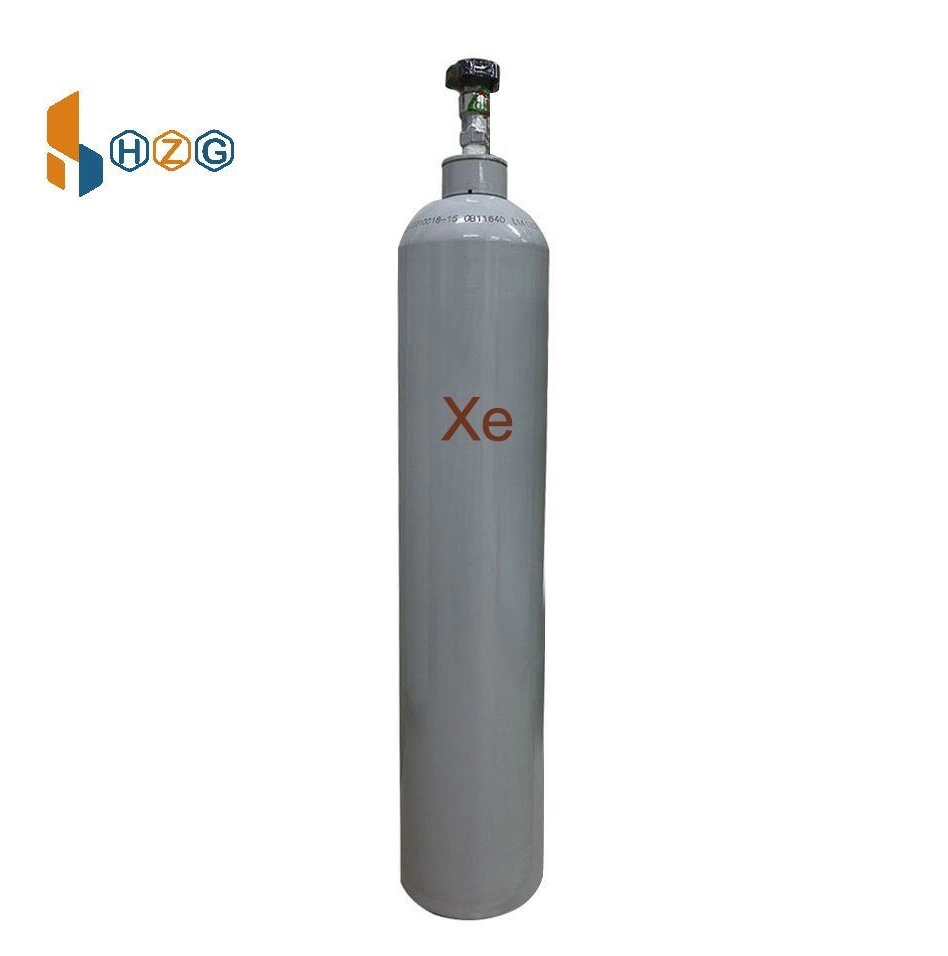
As a factory specializing in high-purity gases, I can tell you that producing specialty gases requires advanced technology, stringent quality control, and specialized packaging. This is why suppliers in this segment need to demonstrate exceptional technical expertise and reliability. For buyers in these high-stakes industries, securing a consistent supply of industrial gases meeting exact specifications is not just important, it's non-negotiable for their production yields and product quality. The specialty gases segment, while smaller in volume than bulk gases, plays a pivotal role in enabling cutting-edge technology.
What Market Trends and Market Dynamics Are Shaping the Industrial Gases Supply Chain?
The global industrial gases market is constantly influenced by various market trends and market dynamics. One significant trend is the increasing focus on sustainability and energy efficiency. Gas producers are investing in cleaner production methods and more efficient logistics to reduce their environmental footprint. This aligns with global efforts to combat climate change and meet stricter environmental regulations. Energy-efficient production is something we prioritize at our factory, understanding its importance both environmentally and economically.
Another key dynamic is the ongoing consolidation within the industrial gas industry. Larger industrial gas companies are acquiring smaller players to expand their geographic reach, product portfolios, and technological capabilities. This can impact the competitive landscape and the options available to buyers. Furthermore, geopolitical factors, trade policies, and global events can also affect the supply of industrial gases, influencing pricing and availability across different regions.
From a supplier's viewpoint, managing the supply of industrial gases involves complex logistics, especially when exporting to countries like the USA, Europe, and Australia. Ensuring safe and reliable packaging, navigating customs, and coordinating international shipping are all part of the process. The demand for integrated supply chain solutions, where suppliers offer more than just the gas but also storage solutions, equipment maintenance, and technical support, is another trend shaping the industrial gases market. Buyers are looking for partners, not just vendors, who can provide comprehensive solutions and stability in their supply chain.
Who Are the Major Players and Industrial Gas Companies in the Global Industrial Market?
The global industrial gas market is dominated by a few very large, multinational industrial gas companies, alongside a significant number of regional and local players. The largest companies often have vast production networks, sophisticated logistics capabilities, and extensive R&D programs. Names like Linde, Air Liquide, and Air Products are well-known giants that lead the global industrial gases market. These companies have a massive presence in North America, Europe, and other developed markets.
However, there are also important players in the market located in developing countries, including significant industrial gas companies based in China. Companies like yingde gases group and others, including our factory, play a crucial role in supplying both the domestic Chinese market and serving international customers, particularly in regions like North America, Europe, and Australia. These companies often compete on cost-effectiveness, flexibility, and the ability to customize solutions. Another name sometimes mentioned in market reports is bhuruka gases, though their primary focus might be regional or specific product lines.

For buyers like Mark, understanding the mix of global giants and specialized regional suppliers is important. While the large companies offer scale and global reach, factories like ours in China can often provide more direct communication, faster decision-making, and potentially more competitive pricing, especially for specific products or delivery terms. When looking for industrial gas suppliers, it's worth exploring options across this diverse landscape to find the best fit for your specific needs in terms of quality, price, and service. The competitive dynamics among these industrial gas companies contribute to the overall market growth.
What Opportunities for Market Growth and Challenges Exist Within the Industrial Gases Market?
The industrial gases market presents numerous opportunities for market growth. The continued industrialization and infrastructure development in emerging economies are significant drivers, creating new demand for industrial gases in manufacturing, construction, and healthcare. The expansion of the electronics industry, the growing use of gases in medical applications (like home healthcare), and the increasing demand for clean energy technologies (where hydrogen plays a role) all open up new avenues for market expansion. There are considerable opportunities for market players who can innovate and adapt to these changing needs.
However, the market also faces challenges. The volatility of energy prices, which are a major cost component in gas production, can impact profitability and pricing. Stricter environmental regulations require significant investment in cleaner technologies. Furthermore, intense competition, especially in commodity gas segments, can put pressure on margins. Logistics and supply chain disruptions, highlighted by recent global events, also pose challenges to ensuring a reliable supply of industrial gases across various regions.
For a factory owner like me, the opportunities lie in specializing in high-purity and specialty gases, focusing on energy-efficient production, and building strong, trust-based relationships with international buyers by addressing their specific pain points like communication and logistics. The challenge is maintaining high quality standards consistently, navigating complex export procedures, and competing effectively in a global industrial market with established players. The growth of this market depends on navigating these opportunities and challenges successfully. The industrial gases market faces these dynamics constantly.
Why is Quality, Certification, and a Reliable Supply of Industrial Gases Essential for Your Business?
This point is crucial, especially for someone like Mark, who relies on consistent supply for his own business. For end-users in chemical manufacturing, medical institutions, or research labs, the quality and purity of industrial gas can directly impact product quality, safety, and the success of their operations. Using gas with impurities can lead to damaged equipment, failed experiments, or even pose health risks (medical gas purity is paramount). This is why quality inspection and ensuring high purity are absolutely critical.
Certifications play a vital role in guaranteeing quality. Reputable industrial gas suppliers should hold international certifications like ISO standards for quality management and environmental management. For certain applications, like medical gas, specific pharmacological or medical device certifications are required. As a factory, we understand the importance of compliance with international standards and providing proper certifications to our buyers. This builds trust and assures customers that the gas meets required specifications. Unfortunately, as Mark's experience shows, occasional certificate fraud by suppliers can be a real pain point, highlighting the need to choose trusted partners.
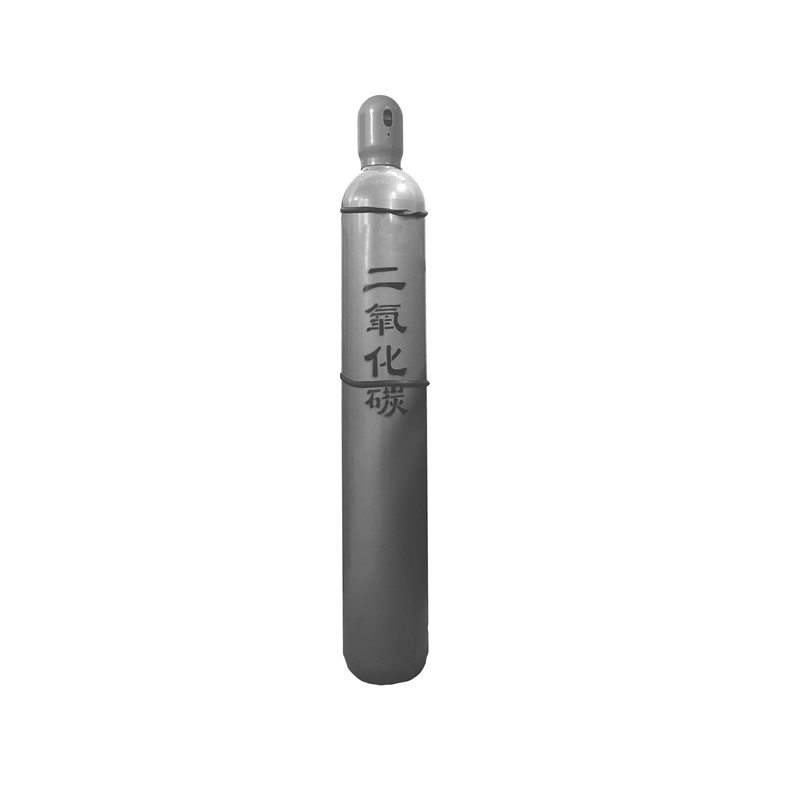
Beyond quality, a reliable supply of industrial gases is fundamental. Shipment delays can lead to missed production schedules, idle equipment, and significant financial losses. Flexible supply options and robust logistics management are key to avoiding these issues. As a factory direct supplier, we aim to provide transparent communication and efficient logistics to prevent shipment delays. We also ensure safe and reliable packaging for all our products, from cylinders of carbon dioxide to bulk liquid oxygen, understanding that safe transport is part of reliable supply. For any business that rely on industrial gases, partnering with a supplier who prioritizes these aspects is non-negotiable for smooth and uninterrupted operations.
What is the Industrial Gases Market Expected to Grow Into in the Coming Years?
Looking ahead, the industrial gases market is expected to grow at a steady pace over the next few years. Various market research reports predict continued expansion driven by the factors we've discussed: industrial development, technological advancements, and increasing demand from key application sectors. The size of the global industrial gases market will continue to increase, offering significant opportunities for market growth for both established players and new entrants.
The growth of the market is particularly anticipated in segments like specialty gases due to the ongoing expansion of the electronics, healthcare, and research industries. The increasing use of gases like hydrogen in clean energy applications and the rising demand for medical gas globally are also expected to drive the market growth. We can anticipate continued investment in production capacity, technology, and supply chain infrastructure to meet this growing demand for various gases across various industries.
As a factory owner watching these trends, I see a future where high purity, diverse product ranges, and efficient, reliable supply chains become even more critical competitive advantages. The industrial gases market size is projected to reach even higher values, reinforcing its role as a vital component of the global economy. For buyers, this means a potentially wider array of suppliers but also the continued importance of vetting partners carefully to ensure quality, reliability, and compliance. The industrial gases market is projected to expand significantly during the forecast period, underscoring its fundamental importance.
Bullet Point Summary: Key Takeaways
- The global industrial gases market size is substantial, valued in the hundreds of billion in 2024, and is set for continued market growth.
- Key market drivers include traditional industries, electronics, healthcare, and food & beverage sectors.
- The market comprises bulk gases, cylinder gases, and high-value specialty gases, each with unique market dynamics.
- Applications of industrial gases are incredibly diverse, essential from heavy manufacturing to advanced semiconductor fabrication and medical gas supply.
- Specialty gases are vital for high-tech industries requiring extreme purity and precision mixtures.
- Market trends like sustainability, consolidation, and the demand for integrated supply chains are shaping the industrial gases market.
- Major industrial gas companies include global giants and significant regional players, particularly in Asia.
- The market offers strong opportunities for market growth but also faces challenges like energy price volatility and competition.
- For buyers, quality inspection, robust certifications, efficient logistics, and a reliable supply of industrial gases are absolutely essential to avoid pain points like shipment delays and ensuring operational success.
- The industrial gases market is expected to grow significantly, driven by ongoing industrialization and technological advancements.
If your business rely on industrial gases, partnering with a reliable factory supplier is key. We understand the importance of high purity, compliance with international standards, and delivering gases safely and on time.
You can find more information about specific gas products here:
- Explore our range of high-purity Hydrogen cylinder offerings.
- See the specifications for our Argon gas cylinder products.
- Discover our various Carbon dioxide cylinder options.