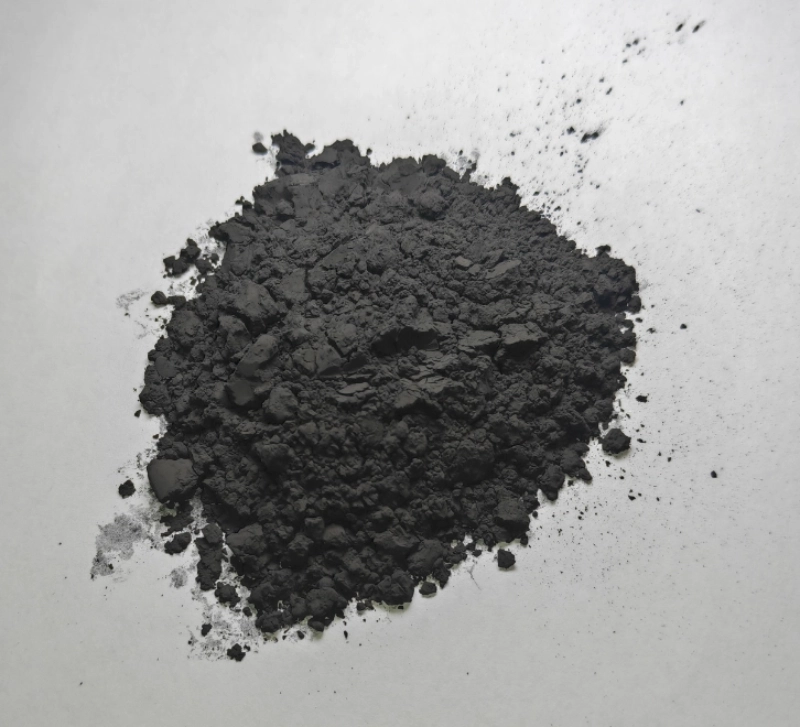
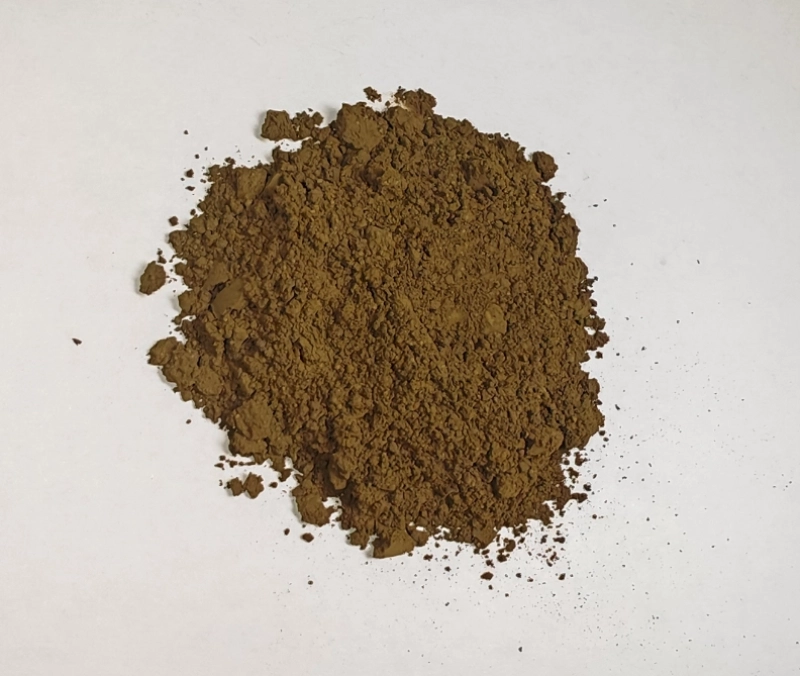
Structure: Solid vs Hollow
The most obvious difference lies in the internal structure.
Solid silicon particles are dense all the way through. They’re strong, simple to produce, and have been used reliably for years. However, that solid structure can also be a limitation in demanding applications.
Nano-hollow spherical silicon, on the other hand, features a thin silicon shell with an empty core inside. This hollow design may sound subtle, but it changes how the material behaves in a big way—especially at the nanoscale.
Volume Change and Stability
One of silicon’s biggest challenges is volume expansion during use, particularly in energy-related applications like battery anodes. Solid silicon particles tend to swell significantly, which can lead to cracking, material breakdown, and performance loss over time.
Hollow silicon particles handle this issue much better. The empty interior provides space for expansion, allowing the shell to flex instead of fracture. As a result, nano-hollow silicon often shows better structural stability and longer service life compared to its solid counterpart.
Surface Area and Efficiency
Because nano-hollow silicon has both inner and outer surfaces, it offers a higher effective surface area. This can improve reaction efficiency, material utilization, and overall performance in applications where surface interaction is critical.
Solid silicon particles typically have less accessible surface area, which may limit their efficiency in advanced systems where fast reactions or high material activity are required.
Weight and Material Utilization
Another key difference is density. Hollow silicon particles are lighter than solid ones of the same size. This reduced weight can be an advantage in applications where energy density, transport efficiency, or material cost optimization matters.
At the same time, hollow structures allow manufacturers to achieve similar—or better—performance using less raw silicon material.
Cost and Manufacturing Considerations
Solid silicon particles are generally easier and cheaper to produce at scale. Nano-hollow silicon involves more complex fabrication processes, which can increase cost. However, as production technologies mature, the performance benefits often outweigh the higher initial investment—especially in high-end or long-life applications.
Which One Is Better?
There’s no one-size-fits-all answer. Solid silicon particles still make sense for applications where simplicity, strength, and cost control are top priorities. Nano-hollow spherical silicon shines when performance, durability, and efficiency are critical.
Understanding the real difference helps engineers, researchers, and buyers choose the right material—not just the familiar one.
About Huazhong Gas
At Huazhong Gas, we support advanced material research and industrial innovation by providing high-purity specialty gases and reliable gas solutions for silicon materials, nanomaterial synthesis, and precision manufacturing processes. With stable supply, strict quality control, and responsive technical support, we help our partners move from lab research to real-world production with confidence.
If you’re working with next-generation silicon materials, Huazhong Gas is ready to support your journey forward.