
Mastering Gas Cylinder Safety: Your Ultimate Guide to the Storage and Handling of Compressed Gas Cylinders
The safe storage and handling of compressed gas cylinders is a topic of utmost importance in any industrial, medical, or research setting. Compressed gases, while incredibly useful, can pose significant risks if not managed correctly. This article is your comprehensive guide to understanding gas cylinder safety, from proper cylinder storage techniques to the best practices for handling of compressed gas cylinders. With years of experience in the gas industry and overseeing 7 production lines at Huazhong Gas, I've seen firsthand how crucial these practices are. We'll delve into how to store gas cylinders correctly, identify potential hazards, and adhere to critical safety standards. This guide is worth reading because it breaks down complex information into easy-to-understand steps, ensuring you can implement these vital safety measures effectively.
Why is Understanding Compressed Gas Cylinder Safety So Critical?
Understanding compressed gas cylinder safety isn't just about ticking boxes on a checklist; it's about fundamentally recognizing the potential energy and chemical properties contained within each gas cylinder. A gas cylinder holds gas under high pressure, meaning any sudden release can have forceful, even explosive, consequences. Moreover, the type of gas itself can be flammable, toxic, corrosive, or an oxidant, each presenting unique hazards associated with compressed gases.
For business owners and procurement officers like Mark Shen, ensuring the safe handling and storage of every gas cylinder is paramount. It directly impacts employee safety and health, protects expensive equipment, and prevents costly production downtimes. Think about it – an incident involving a gas cylinder can lead to injuries, property damage, and even legal liabilities. As a supplier, we at Huazhong Gas prioritize educating our clients on these risks. The gas we provide, whether it's Nitrogen for industrial processes or medical-grade oxygen, must be handled with care from the moment it arrives at your facility. The inherent hazard in a compressed gas cylinder is manageable, but only through diligent adherence to safety protocols.
What are the Main Hazards Associated with a Gas Cylinder?
The hazards associated with gas cylinders can be broadly categorized into physical and chemical risks. Understanding these is the first step in mitigating them. Each gas cylinder presents a unique combination of these potential dangers, depending on the gas stored inside.
Physical hazards are often related to the high pressure of the gas. If a cylinder valve is damaged or broken off, the gas cylinder can become a projectile, like an unguided missile, causing severe damage or injury. The sheer weight of a full cylinder also makes it a hazard if it falls. Chemical hazards depend on the properties of the gas itself. For example:
- Flammable gas like acetylene or hydrogen can ignite, causing fires or explosions. A significant fire hazard exists with these.
- Toxic gas like carbon monoxide can cause illness or death if inhaled.
- Corrosive gas can damage materials and cause chemical burns.
- Oxidizing gas, such as oxygen, doesn't burn itself but can vigorously support and accelerate the combustion of other materials.
- Inert gas, like nitrogen or argon, can displace oxygen in confined spaces, leading to asphyxiation. This is a serious hazardous gas risk.
The risks associated with gas cylinders are numerous, which is why meticulous handling and storage of gas cylinders are non-negotiable. Every gas has its own set of safety considerations detailed in its Safety Data Sheet (SDS).
How Should You Properly Store Gas Cylinders to Ensure Safety?
Proper storage of gas cylinders is a cornerstone of overall gas cylinder safety. The goal is to prevent damage to the gas cylinder, protect the cylinder valve, and minimize exposure to potential ignition sources or corrosive environments. When you store gas cylinders, you are taking active steps to control a potential hazard.
Key principles for gas cylinder storage include:
- Storage Area: Cylinders should be stored in a designated, well-ventilated, dry, and secure storage area. This area should be away from exits, stairways, and areas of heavy traffic.
- Upright Position: Cylinders must be stored in an cylinders in an upright position and secured to prevent falling. Chains, straps, or a dedicated cylinder stand should be used.
- Segregation: This is crucial. Different types of gas present different risks. For instance, flammable gas cylinders should be stored separately from oxidizing gas cylinders (like oxygen cylinders) by at least 20 feet or by a fire-resistant barrier. This prevents a small incident from escalating.
- Temperature: Avoid storing any gas cylinder in areas where it might be exposed to extreme temperatures or direct sunlight, as this can affect the pressure inside.
- Protection: Protect cylinders from physical damage, tampering, and corrosion. Always ensure cylinder caps are in place when the gas cylinder is not in use to protect the cylinder valve.
At Huazhong Gas, we ensure our Bulk High Purity Specialty Gases are delivered in cylinders that meet high safety standards, but the responsibility for safe storage then passes to the user. The way you store your gas inventory is a direct reflection of your commitment to safety.
What are the Specific Cylinder Storage Requirements for Different Types of Gases?
While general storage requirements apply to all gas cylinders, specific types of gas demand additional precautions. The particular gas inside dictates these unique needs. For example, cylinders containing flammable gases have very strict rules.
- Flammable Gas Cylinders: These, such as Hydrogen cylinders, must be stored away from ignition sources like open flames, sparks, or hot surfaces. "No Smoking" signs should be prominently displayed. The storage area should be well-ventilated to prevent accumulation of flammable gas.
- Oxygen Cylinders: Oxygen cylinders in storage shall be separated from flammable materials, especially oil and grease, as oxygen vigorously supports combustion. A distance of at least 20 feet or a fire-resistant barrier is typically required between oxygen and fuel gas cylinders or combustible materials.
- Acetylene Cylinders: These have unique storage requirements. Acetylene cylinders should always be stored upright to prevent the acetone (which stabilizes the acetylene gas) from leaking out of the cylinder valve.
- Toxic or Corrosive Gases: These cylinders should be stored in areas with excellent ventilation, preferably under a hood or in a dedicated gas cabinet. Ensure that incompatible gas types are not stored together where a leak could cause a dangerous reaction. Always store cylinders by their hazard classes while in storage.
- Inert Gases: While not reactive, gases like Nitrogen or Argon can displace oxygen. Storage shall be separated in a way that ensures good ventilation, especially if a large number of gas cylinders are present.
Understanding these specific storage requirements for each type of gas is essential for maintaining a safe working environment.
How Do You Correctly Handle Gas Cylinders During Transport and Use?
The handling of compressed gas cylinders requires as much care as their storage. A gas cylinder is heavy and can be unwieldy, increasing the risk of accidents if not handled properly. The primary goal is to prevent dropping the gas cylinder or damaging its cylinder valve.
Here’s how to safely handle a gas cylinder:
- Use Proper Equipment: Always use a cylinder cart or other suitable device designed for transporting cylinders. Never drag, slide, or roll a gas cylinder.
- Keep Cylinders Upright: Ensure cylinders upright and secure during transport and use. A cylinder stand or proper chaining is vital when a single cylinder is in use.
- Valve Protection: Keep cylinder caps on whenever the gas cylinder is not connected for use. This protects the cylinder valve, which is the most vulnerable part.
- Avoid Impact: Do not strike cylinders against each other or other surfaces. Handle every gas cylinder as if it were a full cylinder, even an empty cylinder, as it may still contain residual pressure.
- Lifting: Do not lift gas cylinders by their caps or valves. If you need to move gas cylinders between floors, use a freight elevator or appropriate lifting equipment designed for this purpose.
When you use a cylinder, ensure it is properly secured. Before connecting any equipment, check that the regulator and connections are appropriate for the particular gas and pressure. Proper handling of compressed gas is a continuous responsibility.
What Does "In Storage" Mean for a Gas Cylinder and How Does It Affect Handling?
The term "considered to be in storage" for a gas cylinder has specific implications for safety protocols. Generally, a gas cylinder is considered in storage when it is not actively connected to a process or dispensing system, or when it is an empty cylinder awaiting return or refilling. This distinction is important because the storage requirements are often more stringent.
When a gas cylinder is in storage:
- Cylinder caps must be securely in place to protect the cylinder valve. This is non-negotiable.
- It must be stored in a designated gas cylinder storage area that meets all the criteria previously discussed (ventilation, segregation, security).
- It should not be connected to regulators unless it is about to be put into service.
If a gas cylinder is connected to equipment but the equipment is not currently operating (e.g., overnight or during weekends), it might still be considered "in use" rather than "in storage" by some definitions, but best practice dictates that if it's not actively supplying gas, one should close the cylinder valve and treat it with the same caution as a stored gas cylinder. The main idea is that any gas cylinder not immediately needed for an ongoing operation should be made as safe as possible, which usually means returning it to a secure storage state. This minimizes the window of opportunity for a hazard to manifest.
What Key Safety Standards and Regulations Must Be Followed for Gas Cylinder Storage?
Adherence to established safety standards and regulations is not optional; it's a legal and ethical requirement for gas cylinder storage and handling. These standards are developed by organizations based on years of experience and incident analysis to prevent accidents.
Key regulatory bodies and standards include:
- Occupational Safety and Health Administration (OSHA): In the USA, OSHA sets forth regulations for workplace safety, including the handling and storage of compressed gases. These are legal requirements. For example, OSHA 29 CFR 1910.101 covers compressed gases (general requirements).
- Compressed Gas Association (CGA): The CGA is an industry association that publishes a wealth of pamphlets and standards regarding the safe handling and storage of compressed gas cylinders. While not law themselves, CGA standards are often incorporated by reference into OSHA regulations or adopted as industry best practices. The gas association provides detailed guidance on specific types of gas.
- National Fire Protection Association (NFPA): NFPA codes and standards, such as NFPA 55 (Compressed Gases and Cryogenic Fluids Code), provide comprehensive guidelines for the storage, use, and handling of compressed gases to minimize fire and explosion hazards.
- Local Regulations: Always be aware of and comply with local fire codes and building regulations, which may have additional specific storage requirements for a gas cylinder.
As a responsible gas supplier, Huazhong Gas ensures that our cylinders and the gas they contain meet all relevant international safety standards. We encourage customers like Mark Shen to familiarize themselves with these regulations to ensure compliance and create a safe working environment. This proactive approach to health and safety is beneficial for everyone.
How Can You Identify the Contents of a Gas Cylinder and Why is it Important?
Correctly identifying the contents of a gas cylinder is absolutely critical before any handling or use. Using the wrong gas for an application can lead to dangerous reactions, equipment damage, product contamination, or even catastrophic failure. You should never mix gases in a cylinder unless it is specifically designed and labeled for a gas mixture, such as our specialized Gasmixture products.
Here's how to identify the gas in a gas cylinder:
- Labels and Tags: The primary means of identification is the label affixed to the gas cylinder by the supplier. This label will clearly state the name of the gas or mixture of gases, its UN number, and any relevant hazard pictograms.
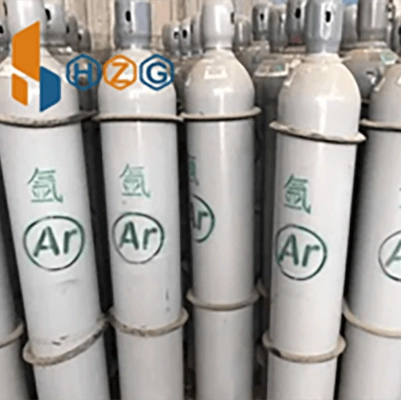
- Color of the Cylinder: While cylinder colors may vary between suppliers and countries, some standardized color codes exist for common industrial and medical gas. However, color should never be used as the sole method of identification. It is not reliable because cylinder colors may be inconsistent or cylinders may be repainted. Always rely on the label.
- Safety Data Sheet (SDS): The SDS (formerly MSDS) for the particular gas provides comprehensive safety data, including identification, hazards, and handling precautions. You should have an SDS readily available for every type of gas you store or use.
- Cylinder Valve Outlet: Different gases often use different cylinder valve connections to prevent accidental mixing. This is a physical safeguard, but again, the label is the definitive identifier.
If a gas cylinder label is missing, illegible, or damaged, do not use the gas cylinder. It should be marked and returned to the supplier. Guessing the contents of a gas cylinder is a gamble with potentially severe consequences.
What are the Best Practices for Inspecting and Maintaining Gas Cylinders?
Regular inspection and proper maintenance are vital to ensure the continued integrity of the cylinder and its safe operation. While refilling and comprehensive testing are done by the gas supplier, users also have a role in routine checks for every gas cylinder they handle.
User inspection practices should include:
- Visual Check: Before accepting or using any gas cylinder, visually inspect it for obvious signs of damage such as dents, gouges, arc burns, corrosion, or bulging. Pay close attention to the condition of the cylinder valve.
- Valve Condition: Ensure the cylinder valve is not damaged, bent, or leaking. Check that the valve handwheel (if present) operates smoothly.
- Leak Test: When connecting a gas cylinder for use, always perform a leak test on the connections using an appropriate leak detection solution (e.g., soapy water for non-reactive gas). Never use an open flame to test for gas leaks, especially with a flammable gas.
- Empty Cylinders: Treat an empty cylinder with almost the same care as a full cylinder. Close the cylinder valve, mark it as "EMPTY" (or follow your facility's procedure), and replace the cylinder cap. Store empty cylinder units separately from full ones, ready for return. Even an empty cylinder can contain residual gas and pressure.
- Date of Last Test: Gas cylinders requires periodic hydrostatic testing by qualified facilities to ensure they can safely hold pressure. While this is the supplier's responsibility, being aware of test dates (often stamped on the cylinder shoulder) can be part of a comprehensive safety program.
These practices help in early detection of potential problems with a gas cylinder, preventing incidents before they happen.
What Personal Protective Equipment (PPE) is Necessary When Handling Compressed Gases?
Using appropriate Personal Protective Equipment (PPE) is a fundamental safety precaution when handling of compressed gas cylinders or working with any compressed gas. The specific PPE required will depend on the type of gas being handled and the task being performed, as detailed in the Safety Data Sheet (SDS) for that gas.
Commonly required PPE includes:
- Safety Glasses: Eye protection is almost always mandatory. Workers should wear safety glasses with side shields, or goggles, to protect against pressure releases, flying particles, or chemical splashes. For certain gas types, a face shield may also be necessary.
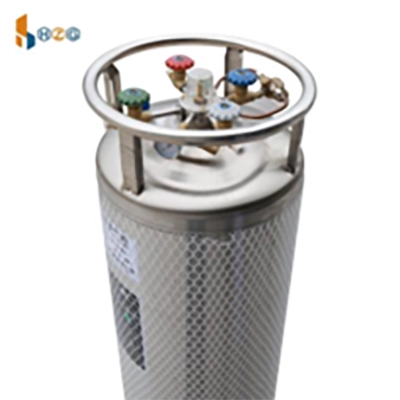
- Gloves: Select gloves appropriate for the hazard. For instance, insulated gloves for handling cryogenic gas cylinders (like a Low temperature insulated gas cylinder) to prevent frostbite, or chemical-resistant gloves for corrosive or toxic gas.
- Safety Shoes: Steel-toed safety shoes are recommended to protect feet from falling cylinders or combustible materials or other heavy objects.
- Body Protection: In some cases, lab coats, aprons, or specialized chemical-resistant suits may be required, especially if there's a risk of skin contact with a hazardous gas.
- Respiratory Protection: If there's a risk of inhaling a harmful gas (e.g., during a leak or in a poorly ventilated area), appropriate respiratory protection must be used.
Ensuring your team has and uses the correct PPE is a critical aspect of safety and health in any environment where a gas cylinder is present. It’s about protecting your most valuable asset: your people.

How Do You Respond to Emergencies Involving Gas Cylinders, Such as Gas Leaks?
Despite the best preventive measures, emergencies involving a gas cylinder, such as gas leaks, can still occur. Having a clear, well-rehearsed emergency response plan is crucial to minimize harm and control the situation effectively. How you handle gas cylinders in an emergency can make a big difference.
Key steps in responding to gas emergencies:
- Raise the Alarm: Alert others in the vicinity immediately.
- Assess the Situation (from a safe distance): Identify the gas involved if possible (look at the gas cylinder label). Determine the size of the leak and the immediate hazard (e.g., is it a flammable gas near an ignition source?).
- Stop the Leak (if safe to do so): If the leak is small and you are trained and it's safe, attempt to close the cylinder valve. For example, if a connection is leaking, tightening it might stop the flow of gas. Never put yourself at undue risk.
- Ventilate the Area: If the gas is leaking indoors, increase ventilation by opening doors and windows (if it's safe and won't spread the hazard).
- Evacuate: If the leak is large, the gas is highly toxic or flammable, or you are unsure of the hazard, evacuate the area immediately. Follow your site's emergency evacuation plan.
- Contact Emergency Services: Call your internal emergency response team or external emergency services (e.g., fire department), providing them with as much information as possible about the type of gas and the situation.
- Secure the Area: Prevent unauthorized personnel from entering the affected zone.
Knowing how to respond to a release of compressed gas is a vital part of gas cylinder safety. Regular training and drills on these procedures are highly recommended. This preparedness can address concerns like those Mark Shen might have about quick and efficient responses when things go wrong.
Working with any gas cylinder and compressed gases demands respect, knowledge, and unwavering attention to safety. From the moment a gas cylinder arrives at your facility to the time the empty cylinder is returned, every step in its lifecycle involves potential hazards that must be managed.
Key Takeaways to Remember:
- Identify and Understand: Always know the type of gas you are handling and its specific hazards associated with compressed gases. Consult the Safety Data Sheet (SDS).
- Proper Storage: Store gas cylinders upright, secured, and in a well-ventilated area, segregating incompatible gas types like flammable gas from oxidizing gas. Ensure proper storage of gas cylinders at all times.
- Safe Handling: Use correct equipment like carts to transport gas cylinders. Keep cylinder caps on when not in use to protect the cylinder valve. Handle gas cylinders with care.
- Inspect Regularly: Check each gas cylinder for damage before use. Never use a cylinder that appears unsafe.
- Use PPE: Always wear appropriate safety glasses and other PPE as required for the gas being handled.
- Know Emergency Procedures: Be prepared for gas leaks or other emergencies. Know when and how to close the cylinder valve and evacuate.
- Follow Regulations: Adhere to Occupational Safety and Health Administration (OSHA), CGA, and local safety standards for storage and handling of compressed gas.
By implementing these gas cylinder safety practices, companies can significantly reduce the risks associated with gas cylinders, ensuring a safer environment for everyone. At Huazhong Gas, we are committed to providing high-quality gas products like our 99.999% Purity 50L Cylinder Xenon Gas and supporting our customers in their safe use. The diligent storage and handling of every gas cylinder is a shared responsibility that protects us all.